Kanazawa has one of the best food reputations in Japan, and the reasons are simple. The city sits beside the Sea of Japan, which supplies cold-water seafood of exceptional quality, its inland plain grows fine rice and heritage vegetables, and its rich merchant history left a culture of refined sweets, sake and tea. You do not need to know a single restaurant name to eat well here. You need to know what to look for, when to go and how to order.
Start with the market
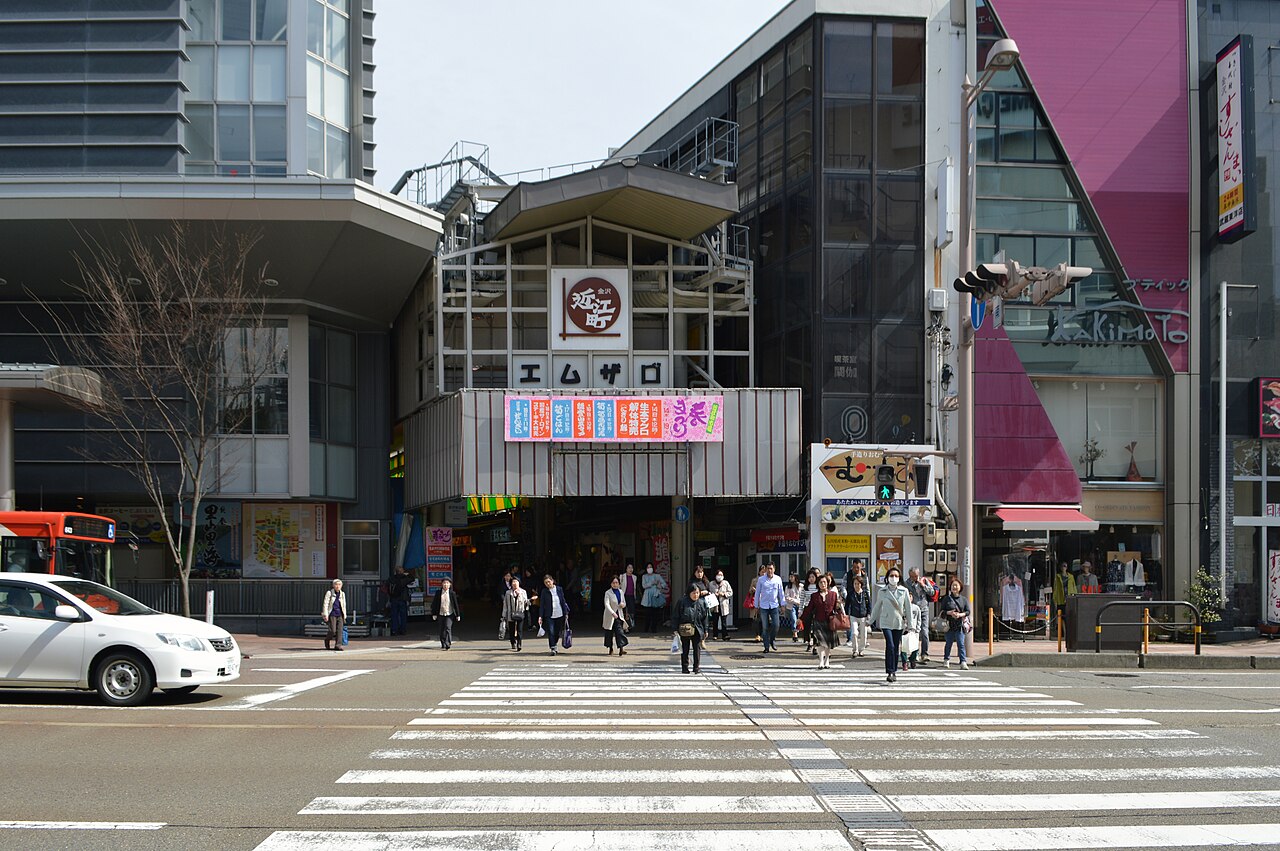
Omicho Market is the city's kitchen, a network of covered lanes where fishmongers, greengrocers and small eateries share space. Go for an early lunch, because stalls wind down in the afternoon. This is the best place to try seafood bowls, grilled shellfish, fresh sushi and seasonal fish at a counter, and to see species you will meet again on menus. Many small sellers prefer cash. If you would like help navigating it, a short market tasting tour is a good first-morning activity.
Seafood by season
The headline is winter. Snow crab season opens in early November and runs through the colder months, and the male crab, called zuwaigani, is the famous one, while the smaller female, kobakogani, is a local favourite with its own admirers. Sweet shrimp is another prized Sea of Japan product, and yellowtail, known as buri, arrives in the market in late autumn and is especially good simmered with daikon radish. Seafood is generally at its best in winter, which is also when prices rise, so expect crab dishes to cost more and tables to fill. In other seasons the sushi remains excellent and often easier to book.
Sushi
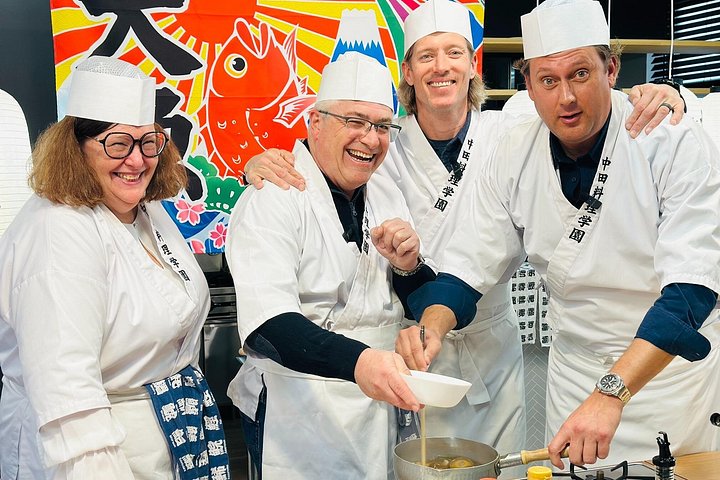
Kanazawa has many sushi counters, from conveyor-belt bars to quiet single-chef rooms, and its sushi is held in high national regard because the fish is so close to the source. A conveyor-belt bar is the easy entry point, with no ordering vocabulary needed. A counter meal is more expensive and more memorable, and bookings are wise. For a participatory version, a sushi and washoku cooking class teaches the rice and the knife work and ends with a meal.
Kaga cuisine and local specialities
Kaga is the old name for the domain, and Kaga cuisine is its refined cooking. Look for jibuni, a dish of duck or poultry simmered in a thick, slightly sweet broth with wheat gluten and vegetables. Kabura-zushi is a winter fermented speciality in which salted yellowtail is layered between turnip slices with rice and rice malt, an acquired taste worth trying once. Kaga vegetables, a group of heritage varieties, appear on set menus, and many restaurants build seasonal meals around them. Kanazawa curry, a thick, dark curry usually served with a fried cutlet, is the city's casual comfort food.
Sweets and tea
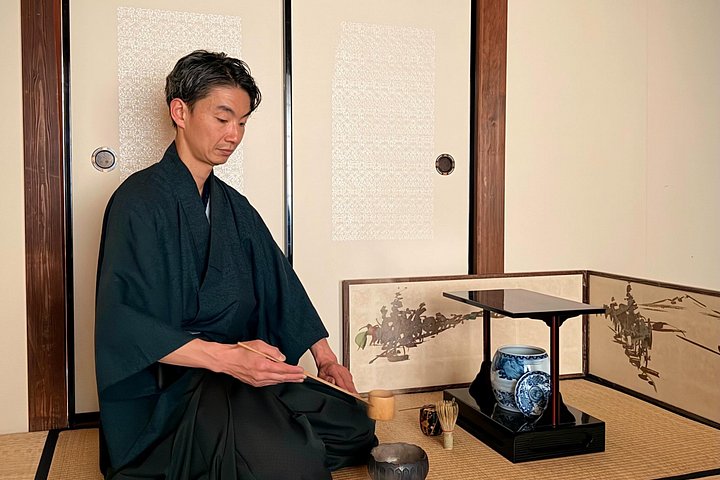
Kanazawa is counted among Japan's three great confectionery centres, alongside Kyoto and Matsue, and its wagashi are designed to reflect the seasons, with some shops making sweets for centuries. A bowl of matcha with a sweet is the classic pairing, available in the garden teahouses at Kenroku-en, in Higashi Chaya and at a private machiya tea ceremony. The other signature treat is gold leaf, which Kanazawa produces in huge quantity, and gold leaf soft serve and decorated sweets are a playful way to taste it. If you want to learn how the leaf is made, the gold leaf workshop in Higashi Chaya is an easy craft stop.
Sake and the evening
Kanazawa sake has been brewed for about four hundred years from Kaga Plain rice and river water. Izakaya, the casual Japanese pubs, are the best place to try it with small plates, and a guided night tour with a local meal is a comfortable way to get started if you are travelling alone or are unsure how to order. The night tour and a counter dinner are the two best uses of an evening.
Where to eat by area
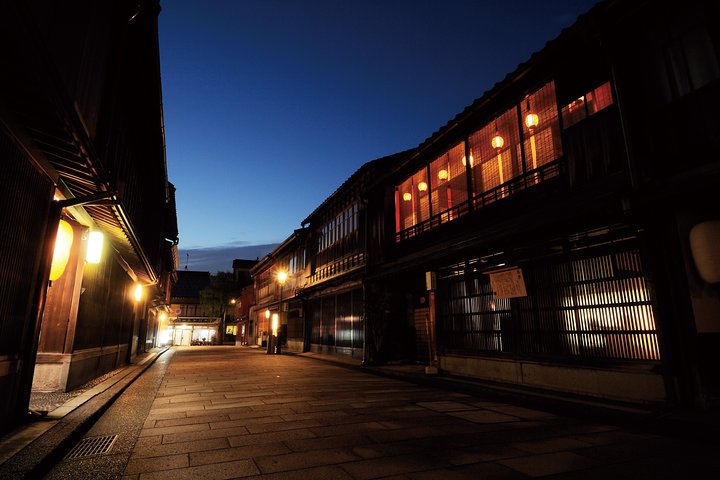
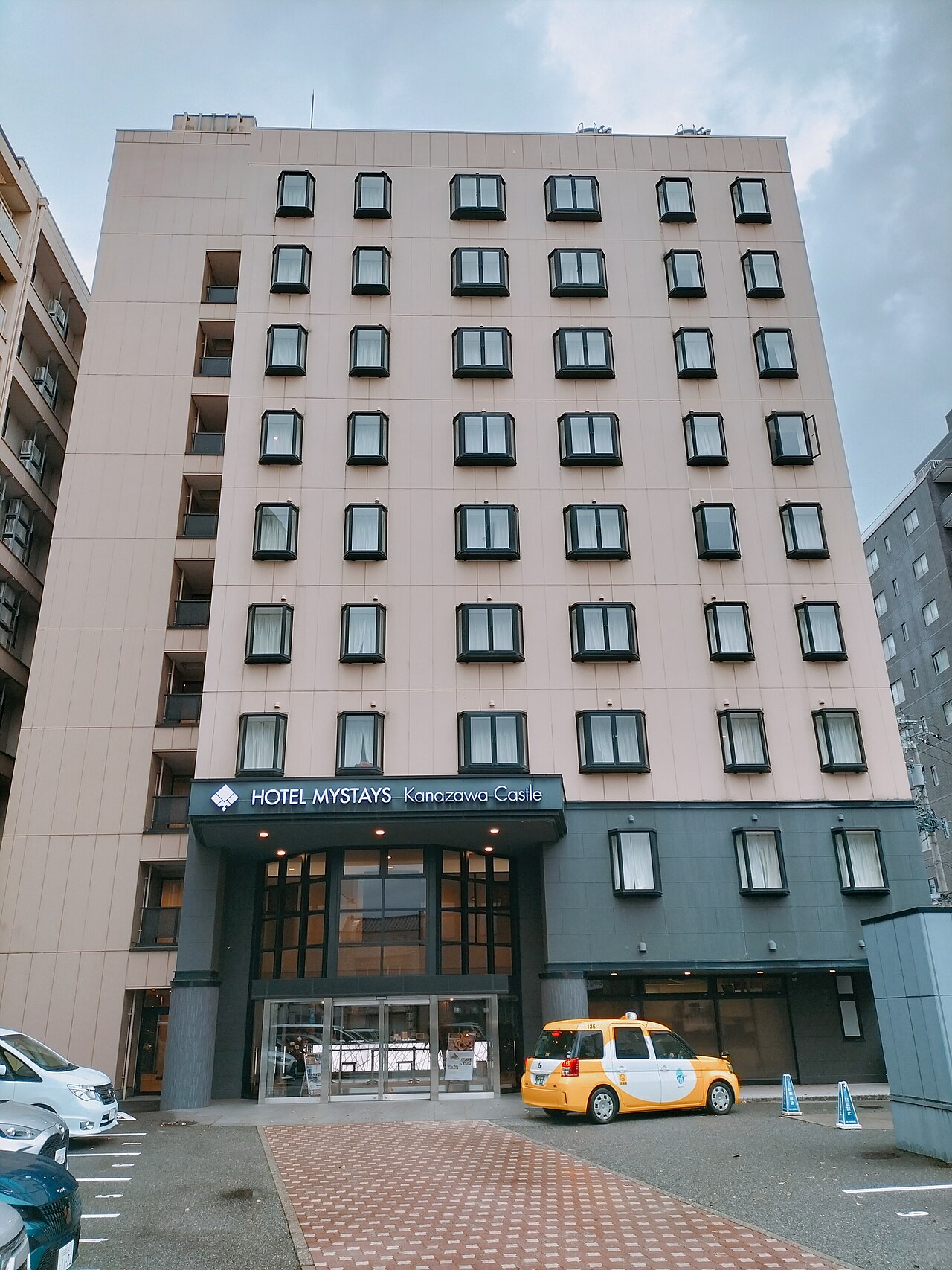
Around the station you will find large hotels and many restaurants and sushi bars. Korinbo and the streets around it have the densest cluster of evening restaurants and izakaya. Omicho Market is for lunch, and Higashi Chaya has sweets, tea and gold leaf treats rather than full meals. Choose where to sleep with dinner in mind, since a short walk home after sake is a pleasure.
Practical tips
Carry cash for markets, small restaurants and tea rooms. Tell restaurants about allergies in advance, because fish, shellfish and soy sauce are everywhere. Tipping is not expected. Say itadakimasu before you eat if you like, and do not stick chopsticks upright in rice. Book popular counters ahead, particularly on weekends and in crab season, and ask your hotel to telephone for you. Many kitchens close between lunch and dinner, so plan snacks to bridge the gap.