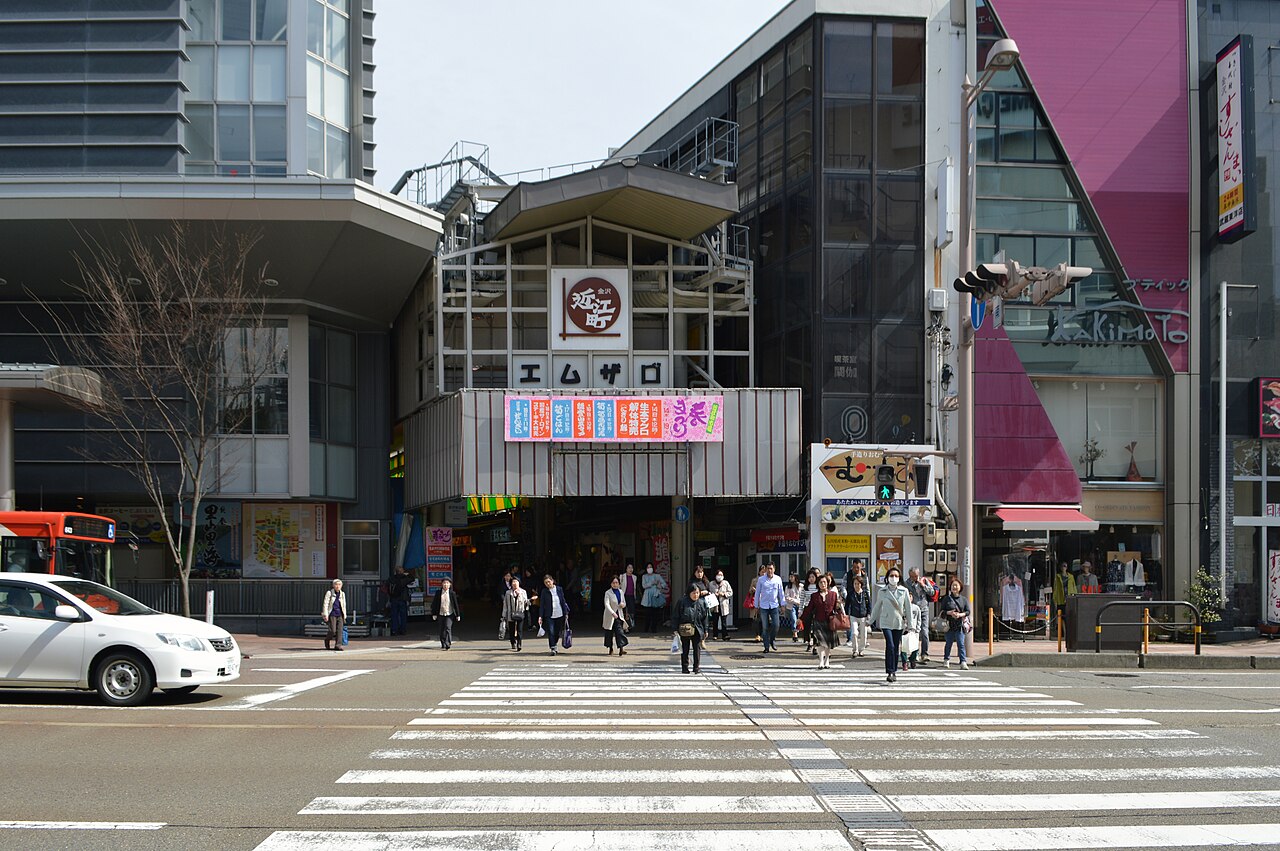
Omicho Market has fed Kanazawa for centuries and is still where local cooks shop. More than 170 shops and stalls fill a network of covered lanes just north of the station, most of them fishmongers selling the catch of the Sea of Japan alongside vegetables, fruit, pickles, dried goods and prepared food. It is loud, bright and wonderfully tactile: crabs stacked in boxes, oysters grilled on charcoal, rows of sweet shrimp, yellowtail and squid, and stalls where you can eat standing up. Popular specialities include sushi from counters in the Omicho Ichibakan building, seafood rice bowls piled with raw fish, croquettes and skewers. Crab, yellowtail and shrimp are especially popular around November, when the market is crowded, and snow crab season runs from early November into March. Many stalls give samples, and the vendors are used to visitors, so pointing and smiling go a long way. The market is a natural stop between the station and the castle, and it is the best single place in the city to eat well on a modest budget.
How to approach it
Arrive hungry and graze rather than commit to one meal. Walk the full circuit first to see what looks freshest and what is in season, then return for a bowl of seafood rice, a couple of grilled items and perhaps a sweet. Lines form early at the most famous sushi counters, so choose an off-peak time, either mid-morning or later in the afternoon, and be prepared to wait at lunch. Ordering is simple when you can point, and many counters have picture menus and English signs.
Timing and etiquette
The market opens in the morning and winds down in the afternoon, with exact hours and closing days varying by stall, so do not leave your visit for late in the day. Some stalls close on days when others are open, and the whole market takes the New Year holidays. Eat food where it is sold rather than walking through the narrow lanes with it, throw rubbish into the bins provided and ask before taking photographs of stall owners. Bring cash for the smaller stalls, though more places accept cards than before.
Fitting it into a day
The market is about a fifteen-minute walk from Kanazawa Station and about nine minutes from the castle's Otemon gate, so it works at the start or the middle of a sightseeing day. Combine it with Kanazawa Castle Park and Kenroku-en, or with the nearby Nagamachi samurai district. Dedicated food tours of the market exist for travellers who want a guide to the stalls, but the market is easy to enjoy independently, and a self-guided graze is free apart from what you eat.
What to expect
The experience
A bustling covered market of around 170 stalls where you graze on seafood, grilled snacks and sweets, standing or at small counters.
Best time
Mid-morning on a weekday to beat the lunchtime lines, and before the stalls begin closing in the afternoon.
How long
An hour to see it and eat a snack, two for a proper graze with a sit-down bowl.
Tips
Walk the full circuit first, carry cash for small stalls, eat where you buy and expect lines at famous sushi counters.
Quick picks
- Best for
- Seafood lovers and anyone who wants a taste of everyday Kanazawa life.
- Families
- Lively and fun for children who like food, though lanes are narrow and crowded at midday.
- Couples
- Share a seafood bowl and grilled oysters, then walk to the castle.
- Pair with
- Kanazawa Castle Park, Kenroku-en and the Nagamachi samurai district.
- Time needed
- Plan ninety minutes including a meal.
Good questions
What is Omicho Market famous for?+
Fresh seafood from the Sea of Japan, especially crab, shrimp, yellowtail and oysters, plus local produce and prepared snacks. Sushi and seafood rice bowls are the usual meals.
When is snow crab season?+
Snow crab is in season from early November until about mid-March, and the market is at its busiest around that time. Expect higher prices for crab dishes.
What are the opening hours?+
The market runs from the morning to mid or late afternoon, and individual stalls set their own hours and closing days. It closes for the New Year holidays.
Is it better to go with a guide?+
You can enjoy it independently because most vendors are used to visitors. A food tour helps if you want explanations and help choosing stalls.
How far is it from the station?+
About fifteen minutes on foot, or a short bus or taxi ride. It sits beside a bus stop on the sightseeing loop.