Kanazawa is a city of craftspeople. The Maeda lords who ruled the Kaga domain wanted a capital that rivalled Kyoto and Edo in culture without threatening the shogun with military strength, so they invested in artisans of every kind. Five centuries on, the city still produces almost all of Japan's gold leaf, along with lacquerware, silk dyeing and porcelain, and many of the workshops that used to serve only local makers now welcome visitors. Doing one or two of them is one of the best ways to spend a day, because the work gives meaning to what you see in the museums and shop windows.
Gold leaf: the signature
Gold leaf is beaten to a thinness of a fraction of a micron, and Kanazawa's damp climate is said to suit the process. Workshops in the Higashi Chaya district teach you to lay the leaf onto small objects such as chopsticks, trays or boxes, using tweezers or a soft brush. It is fast, glittering and satisfying, and the results look impressive even for beginners. If you only have time for one craft, this is the obvious choice, and it fits easily into an afternoon in the teahouse district.
Kaga Yuzen: the silk painter's art
Yuzen dyeing is known for lifelike flowers and graded colours drawn on silk with a resist paste. A workshop usually introduces the technique and then lets you dye a small piece of cloth. It is more colourful and demanding than gold leaf, and it suits people who enjoy textiles, kimono and painting. Allow about two hours and ask whether you take the finished piece with you.
Kutani porcelain: the detailed brush
The vivid enamels of Kutani ware are painted over a glaze and then fired. A painting session gives you a blank cup or dish and a set of traditional patterns to copy or adapt. It is the calmest of the crafts, a good rainy-day choice and a way to leave with a practical object. Because the paint needs firing, ask how the finished piece is delivered.
Tea and kimono: the cultural frame
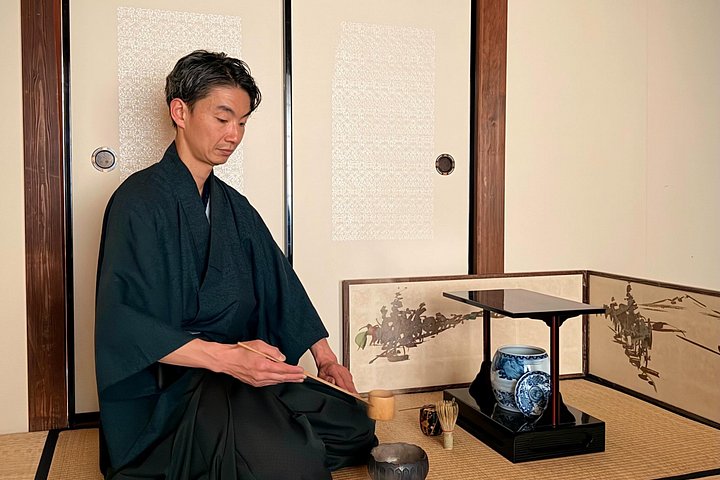
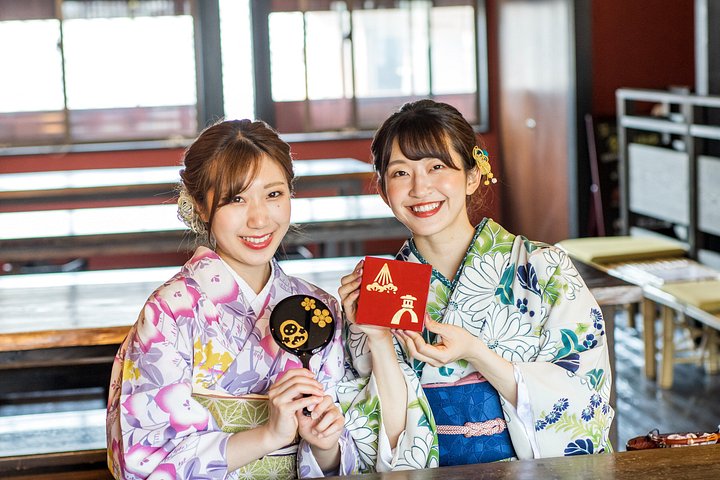
A private tea ceremony in a machiya townhouse and a kimono experience are not crafts in themselves, but they are part of the same culture and add context to the craft studios. The tea bowls, sweets and kimono you meet are products of the same artisan tradition. Dressing in a kimono and strolling through Higashi Chaya is also a natural pairing with a Yuzen session.
Other options
Calligraphy near the ninja temple, ring making, sushi making and bonsai experiences are available too, and a cooking class can be counted among the crafts, because it is a skill taught by a master. The more experiences you choose, the more the days blur, so pick the ones that match your interests.
How to choose
For speed and sparkle, choose gold leaf. For colour and textiles, choose Yuzen. For patient detail, choose Kutani. For atmosphere, choose tea or kimono. Couples often do one craft together and a tea session in the same day. Families do best with gold leaf or ring making because they are short and visual. Solo travellers can join small-group classes easily.
Planning
Most workshops run at fixed times, take bookings in advance and are short, from one to two hours. Book early for spring and autumn weekends. Wear clothes that can take a splash of paint or dye. Ask about firing, drying and collection if you want to take a finished piece home, and remember that glass, ceramics and gold-leafed objects need careful packing.
A craft day
Start with Kenroku-en when it opens, then walk to the 21st Century Museum for an hour. Take lunch at Omicho Market and spend the afternoon in Higashi Chaya with a gold leaf workshop and a tea. Finish at a kimono shop or a cafe above the river. A second day could add a Yuzen or Kutani session and the D.T. Suzuki Museum for a quieter contrast.
Rainy and snowy days
Kanazawa has a reputation for rain and snow, and craft workshops are the perfect answer. Everything above takes place indoors, so a grey morning does not need to ruin your plans. Pair a workshop with a museum and a long lunch, and you have a comfortable day that no weather can spoil. In winter, a warm studio, a bowl of tea and a quiet afternoon are among the real pleasures of the city.
Souvenirs
Real gold leaf goods, Kutani porcelain, dyed cloth and lacquer chopsticks are traditional presents. Buy from shops that explain the maker and the technique, and take your own hand-made pieces home as the most personal gift.