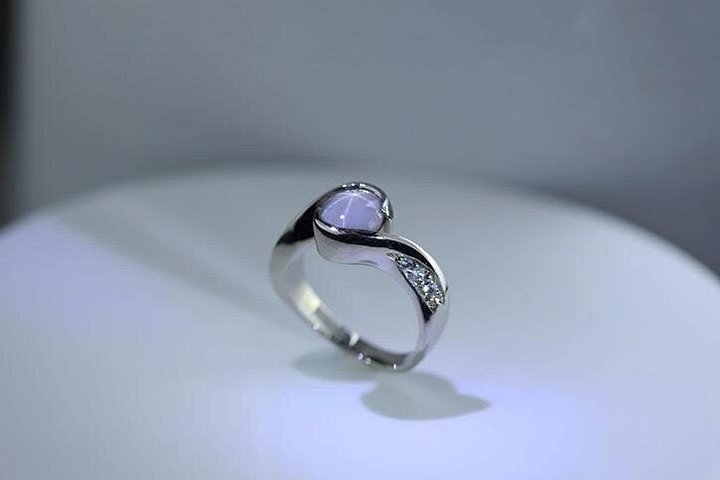
Sri Lanka has been famous for gemstones for more than two thousand years, and the island is still one of the world's leading sources of blue sapphires, along with rubies, moonstones, garnets, cat's-eyes and many other varieties. The Kandy gem museum tour introduces that story in a compact way, showing rough stones in their raw state, explaining how gem gravels are mined from river beds in the Ratnapura region, and demonstrating cutting and polishing on traditional wheels. Guides explain the properties that determine value, such as color, clarity and cut, and display pieces of jewelry set with local stones.
A good visit leaves you better informed rather than just better sold to. Look for the way a raw stone can seem dull and then reveal brilliance after polishing, the difference between natural and treated gems, and the rarity of star sapphires, where a six-rayed star appears in the stone. Museums and workshops in Kandy often sit alongside a showroom, and it is normal for tours to end there.
You are under no obligation to buy, and the sensible approach is to treat the visit as education. If you are considering a purchase, compare prices, ask for independent laboratory certificates for expensive stones and be wary of urgent discounts.
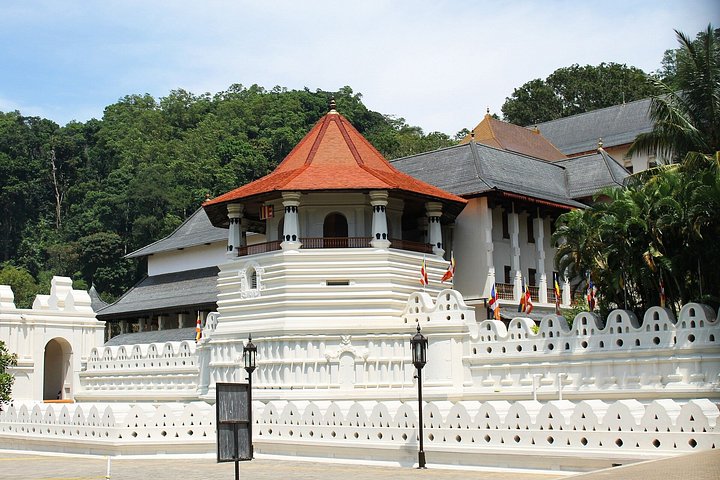
The tour usually lasts under an hour, which makes it easy to slot between the Tooth temple and lunch, or into a rainy afternoon. It suits curious adults and teenagers, and children may enjoy seeing the sparkling stones and the polishing wheels. Photography rules vary, so ask before taking pictures of craftsmen. Because exchange rates and prices change, do not rely on any figure you hear in a showroom; use the visit to learn what to ask elsewhere.
If gemstones interest you more seriously, the town of Ratnapura, to the south, is the island's gem capital, with markets and mines where you can see gravel being washed. For most visitors a short stop in Kandy gives enough context to appreciate the jewelry in shop windows and to understand why sapphires are tied to Sri Lankan identity.
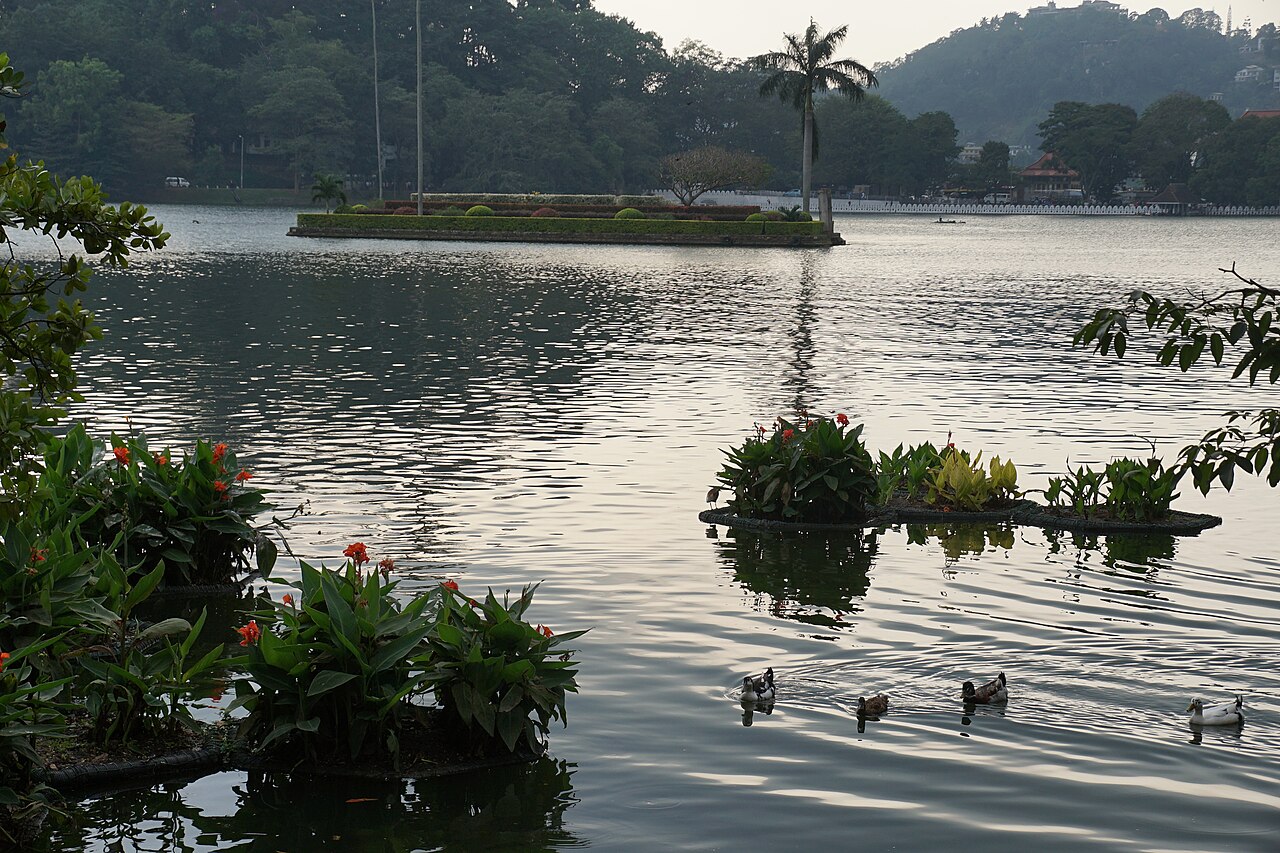
Keep an open mind, listen to the stories behind the stones, and enjoy the craftsmanship even if you buy nothing. Pair it with a walk around the lake or a cooking class for a relaxed day in the city.
Tip
If you do buy, keep receipts and certificates, ask about export rules and insurance, and avoid carrying large sums of cash. A genuine specialist will welcome your questions and happily explain how a stone was graded.
Ask the guide to show you how to tell natural stones from glass or synthetic copies with a simple loupe, how heat treatment affects color and how star effects form inside sapphires. These explanations are the true value of the visit, and they travel with you to markets and shops elsewhere in Asia. If you have a specific stone in mind, bring a photo and a budget, and keep a clear head about what you are comfortable paying.
Keep a relaxed pace, take photos only where allowed, and thank the craftsmen for their time. A short visit in the morning leaves the afternoon free for the lake or the temple, and it costs little compared with the knowledge you take away.
What to expect
The experience
A short guided visit to a gem museum and workshop in Kandy, with a look at rough stones, cutting and polishing, and finished jewelry.
Best time
Any time of day; a handy rainy-afternoon option.
How long
Under an hour.
Tips
You are not obliged to buy. Ask for lab certificates on expensive stones and compare prices before committing.
Quick picks
- Best for
- Curious visitors who want to understand Sri Lanka's gem tradition.
- Families
- Short and sparkly, but only mildly interesting for young children.
- Couples
- A fun stop if you are shopping for jewelry, with sensible caution.
- Pair with
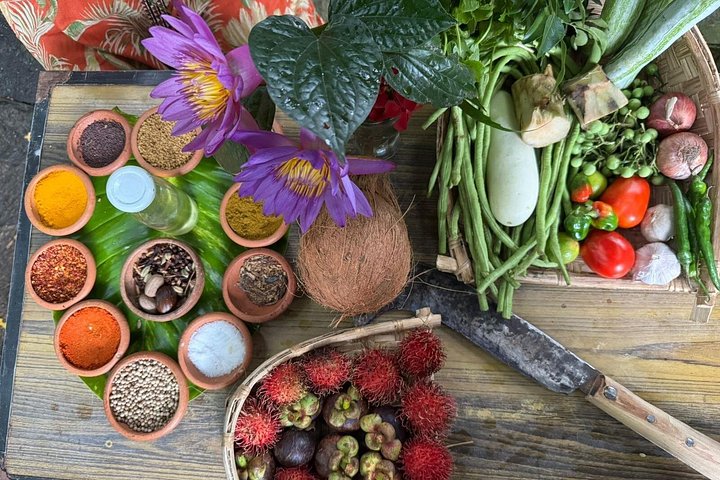
- Kandy Lake, the Tooth temple and a cooking class.
- Time needed
- One hour.
Good questions
What gems is Sri Lanka known for?+
Blue sapphires above all, plus rubies, moonstones, garnets, cat's-eyes and many others.
Do I have to buy something?+
No. Treat it as a museum visit and say no politely.
How can I be sure a stone is genuine?+
Ask for an independent laboratory certificate on expensive stones and compare prices elsewhere.
How long does the tour take?+
Usually under an hour.
Where do the stones come from?+
Many come from gem gravels in the Ratnapura region, washed from river beds and pits.