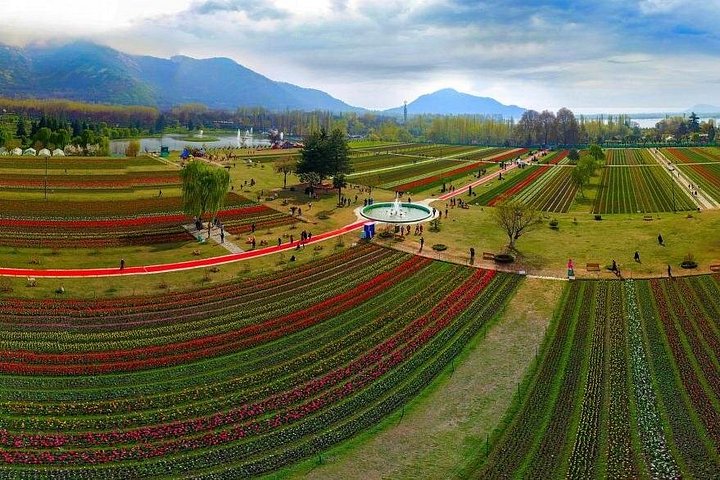
Kashmir is a destination of four distinct seasons, and the best time to visit depends on what you want to see. Spring brings blossom and tulips, summer opens the mountain meadows and treks, autumn turns the chinar trees red and gold, and winter brings snow, skiing and a hush over the lakes. This guide takes each in turn. As always, check your government's current travel advice and local conditions before you plan.
Spring, March to May
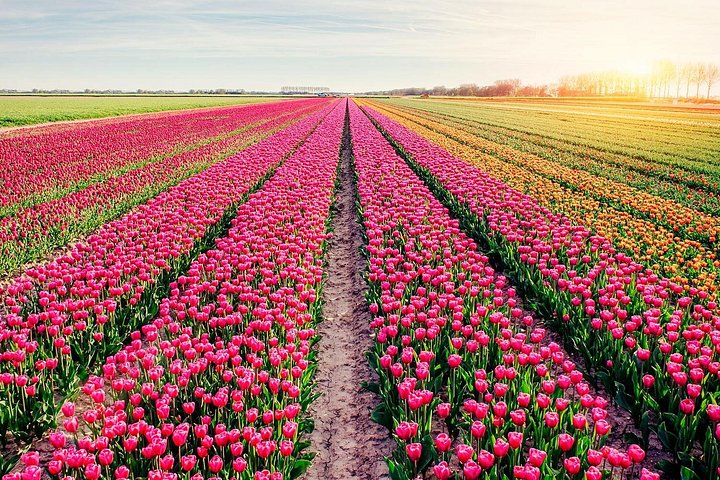
Spring is the season of flowers. Almond blossom opens first, around March and April, on the slopes of Hari Parbat and in orchards around the valley. The Tulip Garden above Dal Lake bursts into colour for a few weeks from late March into April, and the Mughal gardens are fresh and green. Temperatures are mild, with cool mornings and evenings, and rain is common, so bring a light jacket and an umbrella. Spring is a popular time, so book houseboats and hotels early. High mountain roads and meadows may still hold snow, so Sonamarg and Gulmarg are cool, and Gulmarg's gondola may still have a snowy upper station.
Summer, June to August
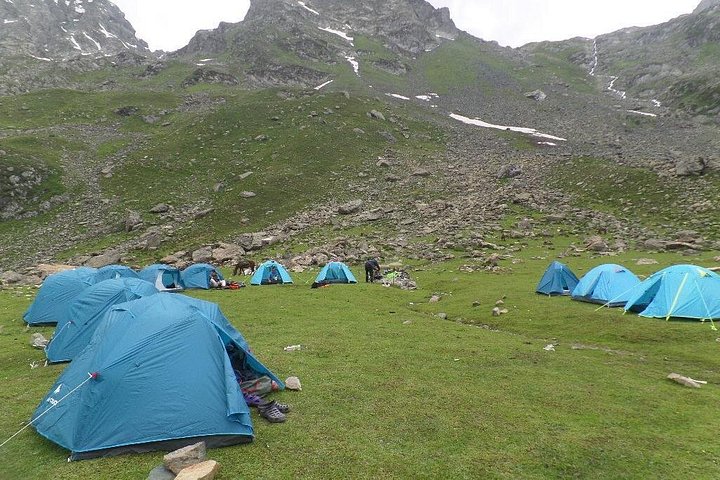
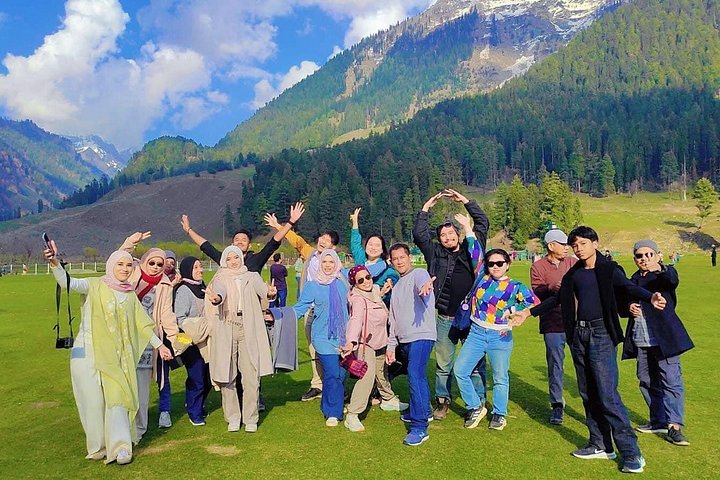
Summer is warm in Srinagar and cool in the mountains. It is the season for Gulmarg meadows, Pahalgam, Sonamarg and the high trek routes, when snow has melted and wildflowers cover the slopes. The lake is lively, lotus blooms appear in the shallows around July and August, and houseboats are in demand. Days can be hot in town, with afternoon showers in some years, so start sightseeing early. The Kashmir Great Lakes, Tarsar Marsar, Kolahoi and Gangabal treks are at their best from July to September. This is also the busiest period, so expect higher prices and crowds at popular sights.
Autumn, September to November
Many travellers consider autumn the most beautiful season. The chinar trees turn flame red and gold, and the Mughal gardens glow in low light. The air is clear and dry, apples and walnuts are harvested, and the saffron crocus blooms around Pampore in October and November. Temperatures drop steadily, with warm days and cold nights, so bring layers. Crowds thin after September, and light for photography is excellent. Early autumn is still good for treks, while by November the higher passes begin to close.
Winter, December to February
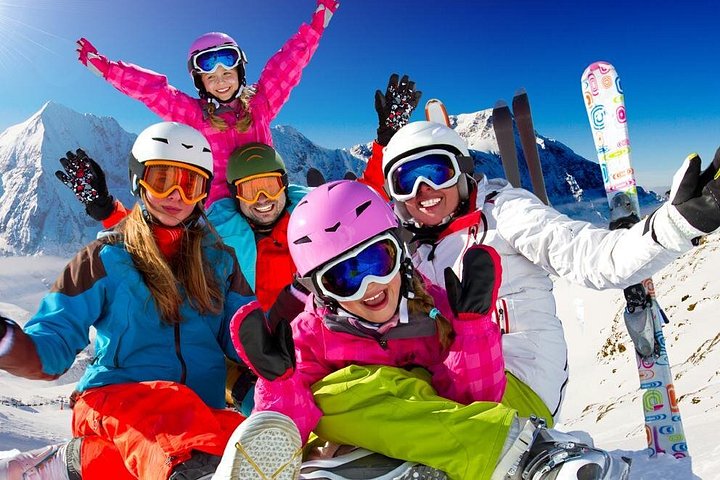
Winter is cold, with frosty mornings, mist on the lake and snow on the hills. Gulmarg is the highlight, with skiing, snowboarding, sledging and snow play from December to March. Srinagar is quiet and atmospheric, with woodsmoke, warm kahwa and the possibility of partly frozen water on Dal Lake in hard winters. Houseboats can be cold, so confirm heating, and carry warm clothing, waterproof shoes and thermal layers. Roads can be affected by snow, and some mountain destinations may be hard to reach, so keep your plans flexible and allow extra time.
What is best for what?
For tulips and blossom, choose late March to April. For meadows and treks, choose July to mid-September. For autumn colour and saffron, choose October to early November. For snow and skiing, choose January and February. For a balanced first trip with mild weather, April to June and September to October are the sweet spots.
Planning notes
Book early for the peak months of April, May, June and October, and for the ski season. Weather in the mountains changes quickly, so build buffer days for the longer excursions and treks. Dress in layers and bring sun protection in all seasons, because the altitude means strong sunlight even on cool days.
Festivals and local rhythms
Religious festivals and public holidays can affect opening hours, traffic and crowds, so ask your host about dates during your stay. Fridays are quieter in some commercial areas and busier around major mosques, and early mornings are always the best time for photography and calm.
A quick comparison
Srinagar sits at about 1,585 metres above sea level, so it is cooler than the plains throughout the year, while Gulmarg at around 2,650 metres and Sonamarg at around 2,700 metres are colder still. Always pack for a temperature drop as you go up, and expect that the same day can feel like two different seasons between the lake and the high meadows.