Kashmiri cuisine is one of the great regional cooking traditions of India, shaped by Persian and Central Asian influences, mountain ingredients and a Muslim and Pandit heritage that each contributed their own dishes. Meat, fragrant spices, dried flowers and fruit, saffron and walnuts feature in many meals, and the food is often rich, aromatic and served in generous portions. This guide covers what to look for, how to eat well and what to try on a trip.
Wazwan
The ceremonial feast known as wazwan is the centrepiece of Kashmiri hospitality, traditionally prepared by master cooks called wazas and served at weddings and major occasions on a large shared platter called a trami. The meal can include up to thirty dishes. Look out for rogan josh, a rich red lamb curry coloured with Kashmiri chillies, yakhni, lamb in a yoghurt and fennel sauce, goshtaba, soft meatballs in a creamy gravy, rista, red meatballs in a spiced sauce, tabak maaz, fried lamb ribs, and seekh kebabs. You can experience a version of wazwan at specialist restaurants in Srinagar, and some hosts can arrange a family-style meal. It is a feast to share, so go with friends and arrive hungry.
Vegetarian food
Kashmiri cuisine has a strong vegetarian tradition too, especially among Pandit communities. Dum aloo, baby potatoes in a spiced yoghurt gravy, is a classic. Haak, a leafy green similar to collard greens, is eaten with rice, and lotus stem, known as nadru, is cooked as a curry or fried into crisp snacks. Rajma, red kidney beans, and dishes of paneer in spiced sauces are widely available. Vegetarian travellers should have no trouble eating well, but should ask about the use of meat stock in some dishes.
Bread and bakeries
Kashmiri bread is a daily ritual. Bakeries open early, and you can buy girda, a round bread with a soft centre, lavasa, a thin flatbread, tsochworu, a small crisp roll, and bakirkhani, a flaky layered bread often paired with tea. Eaten warm with butter or with a cup of tea, they make an ideal breakfast. Ask your guide to take you to a traditional bakery in the old city.
Tea
Kahwa is the signature drink: green tea brewed with saffron, cardamom, cinnamon and sometimes almonds, served in small cups and often sweetened with sugar or honey. Noon chai, also called sheer chai, is a pink salted tea made with milk and baking soda, usually enjoyed in the morning or at midday with bread. Both are offered widely at houseboats, cafes and tea stalls, and trying each gives you a taste of local custom.
Sweets, fruit and dry fruit
Kashmir is known for apples, cherries, apricots and walnuts, and for almonds and saffron. In season, roadside stalls sell fresh fruit, and shops sell dry fruit packed for travel. Sweets include phirni, a rice pudding served in small clay bowls, and halwa, as well as sugar-dusted pastries. If you buy saffron, choose a reputable shop and ask about quality, as cheap strands can be adulterated. Walnuts and almonds make useful gifts and snacks for trekking.
Where to eat
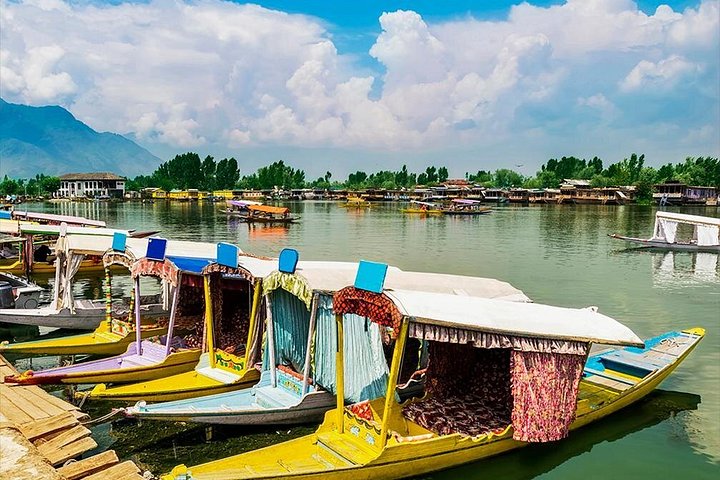
Houseboats and hotels usually provide meals, which is the easiest way to taste home-style cooking. In Srinagar, restaurants in the old city, around Lal Chowk and along the Boulevard offer a range from simple to refined. In Gulmarg and Pahalgam, hotels and small cafes serve hearty food, often with fixed menus. Street snacks such as roasted corn, kebabs and fried fish are popular, and caution is sensible with water and raw salads, so choose busy, well-reviewed stalls and drink bottled or filtered water.
Eating well on the road
Plan to eat the main meal at lunch if you are on a mountain day trip, carry snacks and water, and tell your host about dietary needs ahead of time. Alcohol is limited in the valley and not widely served, so check before you assume you can find it. Tipping modestly for good service is appreciated.
A food day in Srinagar
Start with bread and noon chai from a bakery, walk the old city, have lunch of rogan josh or a vegetarian thali, take an afternoon kahwa on the lake and finish with a houseboat dinner. That sequence is a good introduction to the flavours of the valley.