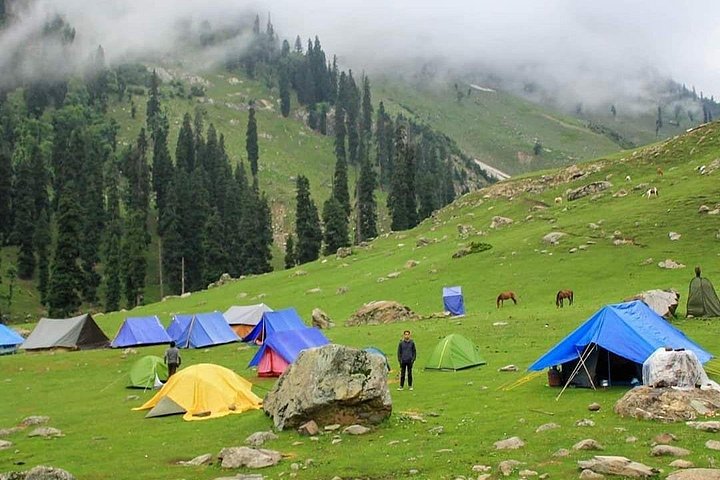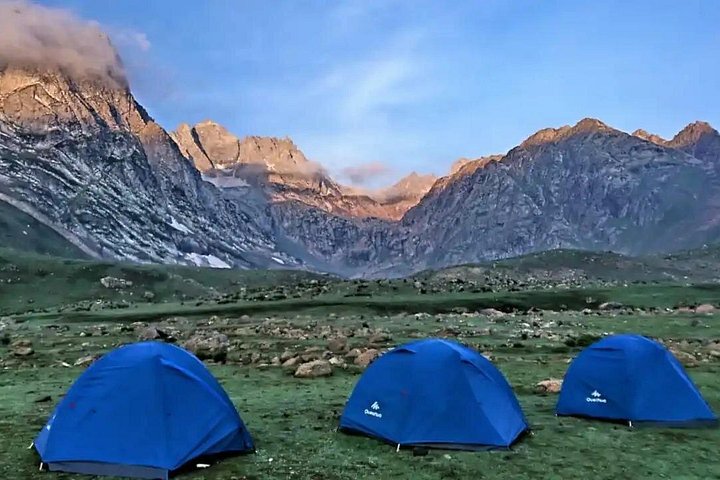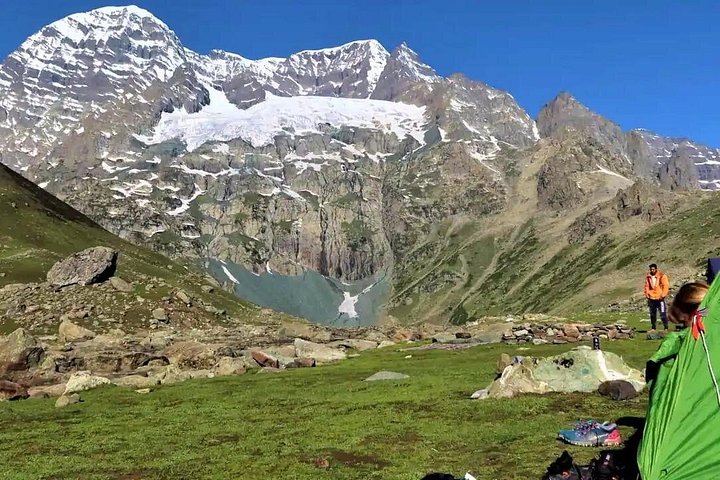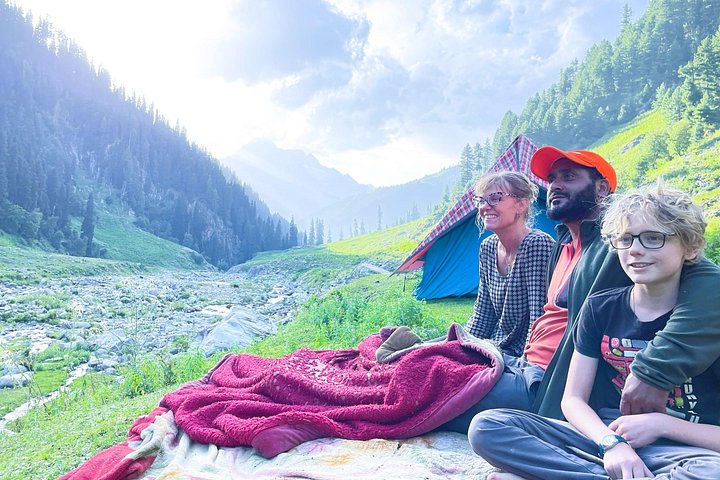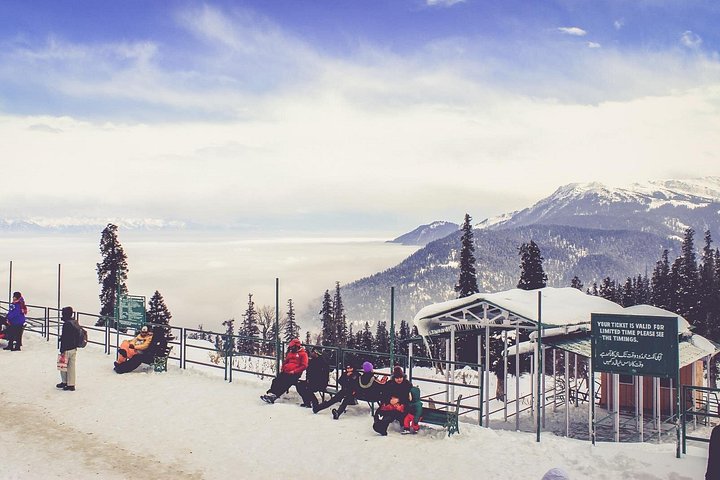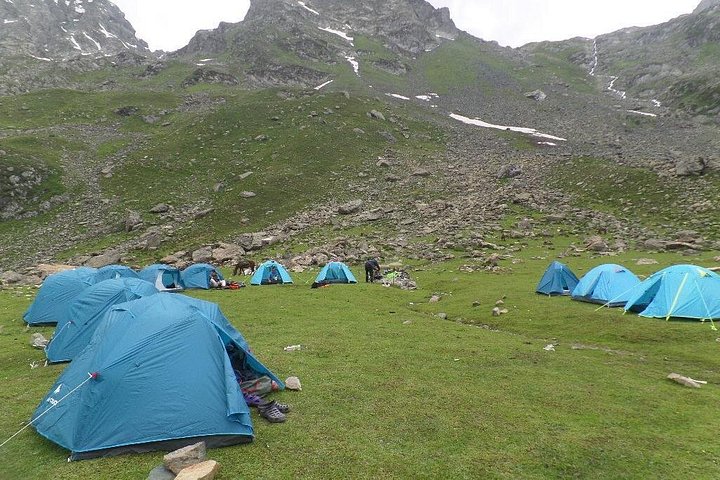
The mountains around Srinagar hold some of the finest trekking in India, with high alpine lakes, glaciers, meadows and ridgelines reached on trails that wind through shepherd country. The treks are shorter and more accessible than many in the Himalaya, and they start within a few hours of Srinagar. This guide introduces the best-known routes and the planning they need. Conditions in the region can change, so check your government's current travel advice and follow local guidance before you commit to a route.
When to go
The main season is July to mid-September, when snow has melted from the passes and meadows are in flower. Earlier in the summer, snow can block high passes, and after September the weather turns cold and snow can return. Rain is possible at any time, so waterproofs and warm layers are essential. Some shorter treks, such as the Kolahoi Glacier route, can start slightly earlier in the summer.
The Kashmir Great Lakes trek
The most famous route links a chain of alpine lakes, including Vishansar, Kishansar, Gadsar, Satsar and Gangabal, over about seven to eight days. It starts near Sonamarg and ends near Naranag, crossing a high pass above 4,000 metres. It is demanding but not technical, and it rewards trekkers with some of the best lake scenery in the Himalaya.
Tarsar Marsar
This route starts from the Lidder valley near Pahalgam and climbs to Tarsar Lake and on to Marsar. It takes about five to seven days, is less crowded than the Great Lakes, and passes through forest, meadow and high rock. It suits fit walkers who want solitude.
Kolahoi Glacier
A shorter route of three to five days, starting at Aru and following the Lidder valley toward the glacier below Kolahoi peak. It passes through pine forest and the meadow at Lidderwat before climbing toward the ice. It is a good first Kashmir trek for those with moderate fitness.
Naranag and Gangabal
A six-day route from Naranag, beside the ruins of an ancient temple complex, to the sacred lake at Gangabal beneath Mount Harmukh. It forms the closing stretch of the Great Lakes route and can be done on its own.
Fitness and acclimatisation
All of these treks reach altitudes above 3,000 metres, and several above 4,000. Train in the weeks beforehand with hiking, stair climbing and cardio, and build strength in legs and core. Spend a day or two in Srinagar and the lower valleys before you start, ascend gradually, drink plenty of water and know the signs of altitude sickness, such as headache, nausea, dizziness and breathlessness. Tell your guide at once if you feel unwell, and be willing to descend.
Choosing an operator
Most visitors trek with a local operator who provides guides, cooks, tents, food and ponies or porters. Ask about group size, the number of guides, what equipment is provided, the safety plan, communication and evacuation arrangements, and what happens if weather forces a change. Compare inclusions rather than price alone, and read recent guest comments. Hiring local staff supports mountain communities.
What to carry
Broken-in boots, trekking poles, a warm sleeping bag, a down jacket, thermal layers, waterproof jacket and trousers, hat, gloves, sunglasses, sun cream, headlamp, water bottle or bladder, purification tablets and a personal first-aid kit. Pack in waterproof bags and keep a set of dry clothes for camp. Mobile coverage is poor on most routes, so carry a charged power bank and share your itinerary.
Insurance and permissions
Make sure your insurance covers trekking at altitude and evacuation. Some areas have permit or registration requirements, which your operator can explain. Respect local customs, particularly at sacred lakes, and carry out all rubbish.
Before and after
A night in Pahalgam or Sonamarg before a trek helps you start fresh, and a night on a Dal Lake houseboat afterward is a fine reward, with hot food and a soft bed.
A typical trek day
Most days begin with tea at dawn, breakfast and a walking stage of five to seven hours with a lunch break, followed by camp, hot drinks, dinner and an early night. Your guide will brief the group on the next stage each evening, including weather and hazards. Rest days, flexible buffers for storms and a calm pace through the first days make the whole trip safer and more enjoyable.