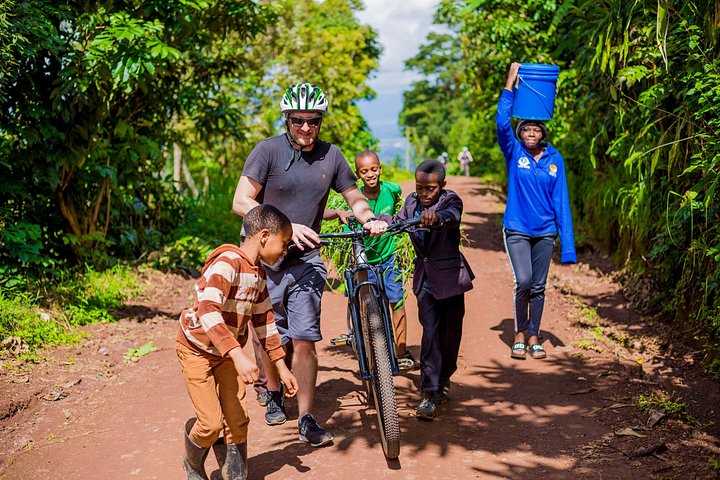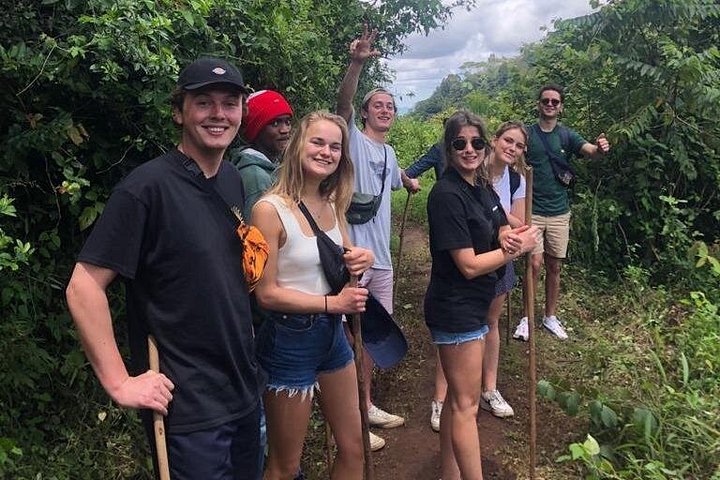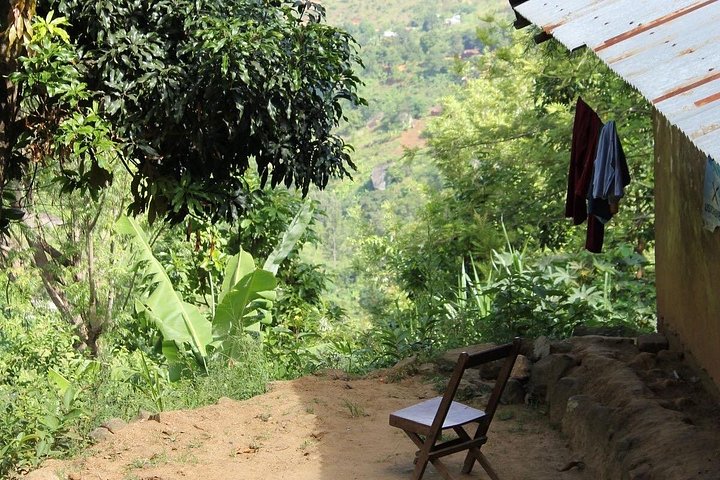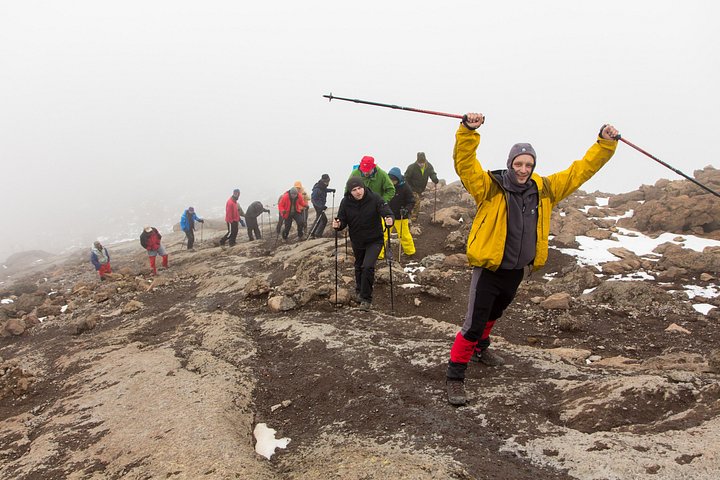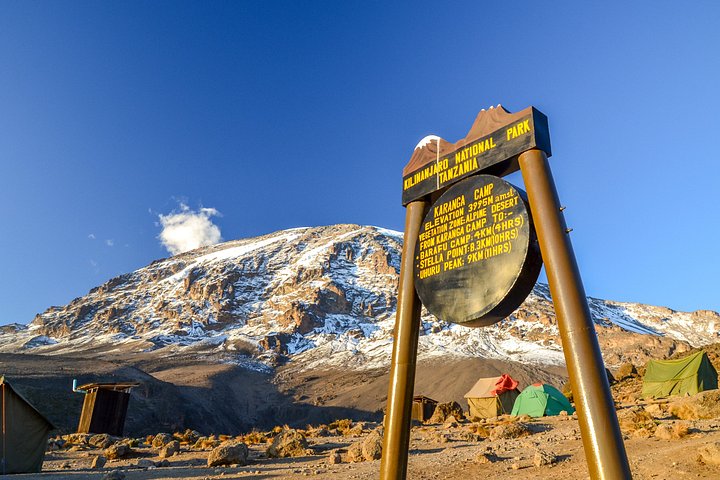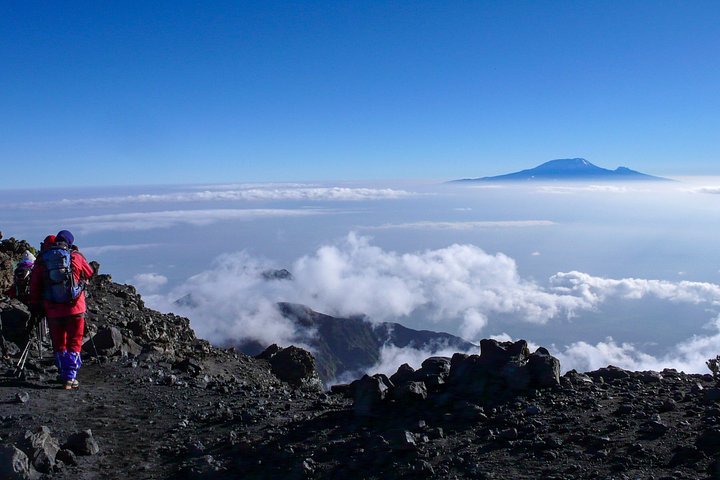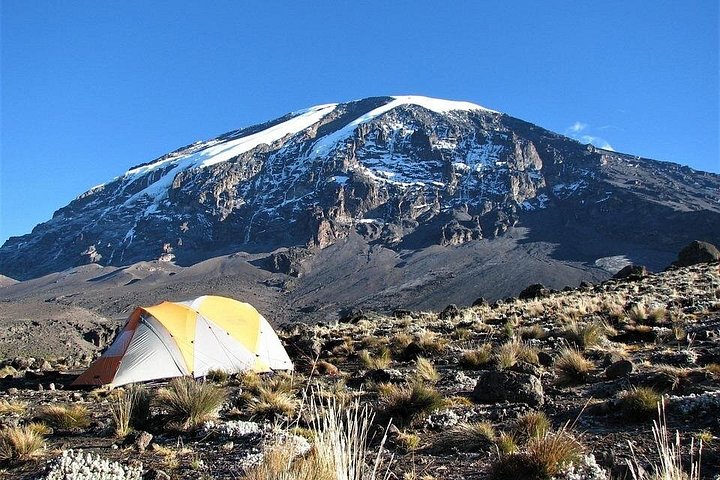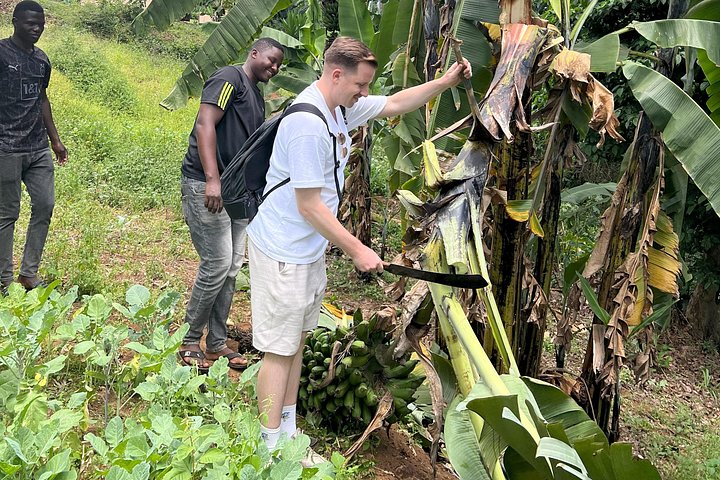
The Chagga people have lived on the southern and eastern slopes of Kilimanjaro for centuries, and their way of life is shaped by the mountain. They farm shady, multi-layered gardens called vihamba, growing bananas, coffee, beans and vegetables beneath tall trees, and they built an ingenious network of hand-dug irrigation channels that carry snowmelt and spring water across the slopes. A three-day Chagga culture experience lets you stay in the area, meet families and learn how these gardens, kitchens and communities work. The programme combines several strands. You cook local dishes in a family kitchen, often including bananas cooked in different ways, beans, greens and sauces served with starchy staples. You learn how mbege, the traditional banana beer, is brewed and shared, and why it matters at social gatherings. You also walk between villages with a local guide, passing farms, waterfalls, schools and workshops, and some itineraries include visits to community projects where part of your fee supports local needs. This kind of trip suits travellers who want to understand the place beyond the summit. It is slow, social and hands-on, and it offers a very different perspective from a climb or safari. It is also a good choice before or after a trek, giving you something restful to do at lower altitude while your legs recover.
Details vary by host, so ask what each day involves. A typical plan might begin with a welcome and a village walk, move to a cooking session and a visit to a banana farm, and end with a hike to a waterfall or viewpoint. Accommodation is usually simple, in a guesthouse or a family home, so expect basic comforts, shared meals and a friendly, informal atmosphere. If you have dietary needs, tell the host in advance.
Respect is central. Greet people politely, ask before taking photographs and accept hospitality with thanks. If you are offered banana beer, you are not obliged to drink it, but a small taste is a courteous gesture. Dress modestly, particularly when visiting churches or homes, and avoid handing out sweets or money to children, which can encourage begging. A better way to give is through the community project or a fair purchase from local makers.
Walking is a big part of the experience, so bring comfortable shoes and a rain jacket. The trails are often muddy and steep, and the weather changes quickly. The best seasons are the drier months, January to early March and June to October, but the mountain slopes are green and beautiful most of the year.
Combine this with other Moshi-side activities. The Moshi villages bike tour and the Marangu Cultural Tour here show similar landscapes at a different speed, while the coffee tours and waterfall walks on our Arusha pages cover the Materuni side of the mountain. Ask the host about what is included, how the fee is shared with the community and how many people will be in your group.
A word on expectations
This is a lived-in community rather than a show, so schedules flex with weather, farm work and family needs. That unscripted quality is a big part of the appeal. Travel with an open mind, a curiosity about everyday life and a willingness to try dishes you may not know. Children are usually welcomed warmly, and many hosts enjoy having them join in with cooking, feeding animals or picking fruit.
What to expect
The experience
A guided, three-day cultural programme on Kilimanjaro's slopes, with cooking, banana beer, village walks and visits to community projects.
Best time
Drier months, January to early March and June to October, are best for walking; the slopes are green year-round.
How long
Three days, with simple accommodation in the village area.
Tips
Bring walking shoes and a rain jacket, ask before taking photos and tell the host about dietary needs in advance.
Quick picks
- Best for
- Travellers who want to meet local people and learn how Chagga farms and kitchens work.
- Families
- Good for families with older children who enjoy walking and trying new food.
- Couples
- A slow, shared experience that complements a climb or safari.
- Pair with
- A Moshi villages bike tour or a coffee and waterfall day on our Arusha pages.
- Time needed
- Three days.
Good questions
Who are the Chagga?+
The Chagga are a Bantu-speaking people who farm the fertile southern and eastern slopes of Kilimanjaro.
What is mbege?+
A traditional fermented banana and millet drink, shared at social gatherings.
Is the accommodation comfortable?+
It is usually simple and friendly rather than luxurious. Ask the host what to expect.
Is it a good fit before a climb?+
It works well as a gentle acclimatization at moderate altitude, or as a restful finish.
Does the fee support the community?+
Many programmes share part of the fee with local projects. Ask how yours does.