Kobe is a year-round destination, but the best time to visit depends on what you want to do. The city is squeezed between the sea and the Rokko mountains, so weather affects both the views and the outdoor sights, and the festival calendar changes the atmosphere dramatically. Here is how the seasons feel and how to plan around them.
Spring (March to May)
Spring is one of the loveliest times. Cherry blossom arrives in late March and early April along the hillside streets, in parks and around Ikuta and Kitano, and the air is mild and clear. Late April and early May bring Golden Week, a run of Japanese holidays when transport, hotels and attractions are crowded and prices rise, so book early or avoid those days. May is green, comfortable and excellent for the Rokko mountain gardens and the Nunobiki herb gardens. If you can choose, aim for the weeks either side of Golden Week.
Early summer rainy season (June to mid-July)
The rainy season brings gray skies, humidity and regular showers. It is the quietest and often the cheapest time to visit, and the hills turn lush green, but views from the Port Tower and the mountains can disappear in cloud. Plan indoor options such as the aquarium, museums and Chinatown, carry an umbrella and keep your schedule flexible. Hydrangeas bloom around the hillsides, which is a pleasant bonus.
Summer (mid-July to August)
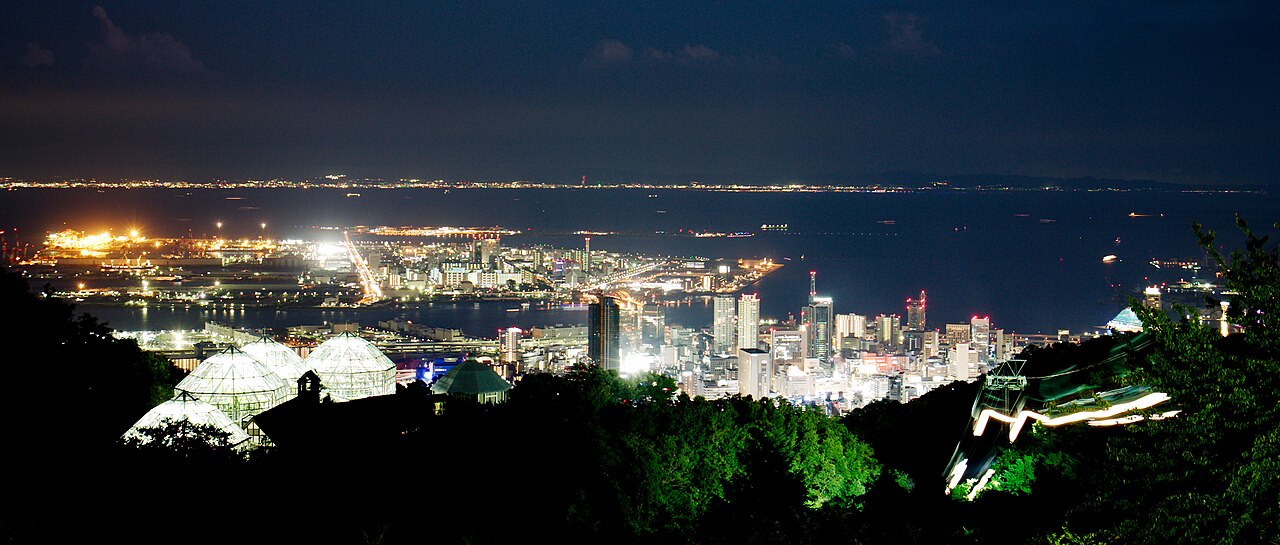
Summer is hot and humid, with high temperatures that make long walks tiring. This is the best time for the mountains, where the summit of Mount Rokko is noticeably cooler than the city, and for evenings on the waterfront, when the harbor lights come on and the heat eases. Beaches at Suma are busy, and the aquarium and seaside parks suit families. Typhoon season runs through late summer and early autumn, so check forecasts and travel insurance, and allow slack in your plans.
Autumn (September to November)
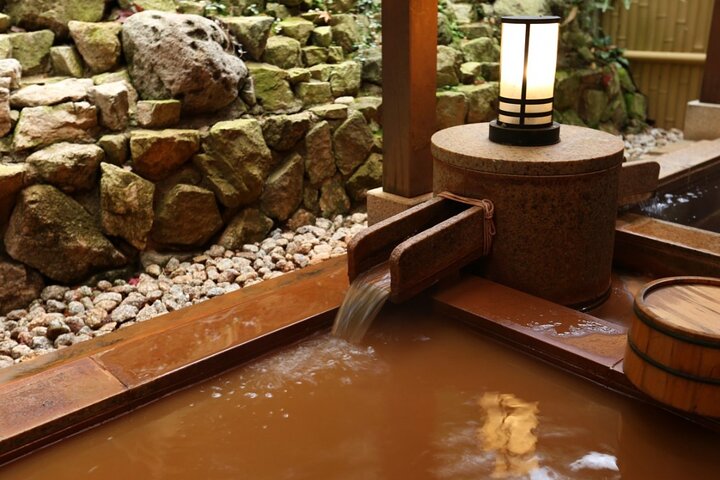
Early autumn is still warm and can be wet, but by October the weather is dry and pleasant. Mid-November into early December is the peak for autumn leaves on Mount Rokko, in the Nunobiki gardens and around Arima Onsen, and many consider this the best time of the year for a hot spring stay. Weekends in the leaf season are crowded, so go on weekdays when you can and book ryokan and hotels well in advance. Evening hours extend at the Nunobiki gardens in the festive season, which is a good time for night views.
December: the Luminarie
Early to mid-December brings the Kobe Luminarie, the famous winter light festival that began as a memorial to the 1995 earthquake. It is one of the most beautiful sights in Japan, and also one of the most crowded, so go on a weekday and expect to queue. Hotels around Sannomiya and the waterfront fill early, so reserve your room as soon as your dates are firm. The city's other illuminations and Christmas markets add to the mood.
Winter (January to February)
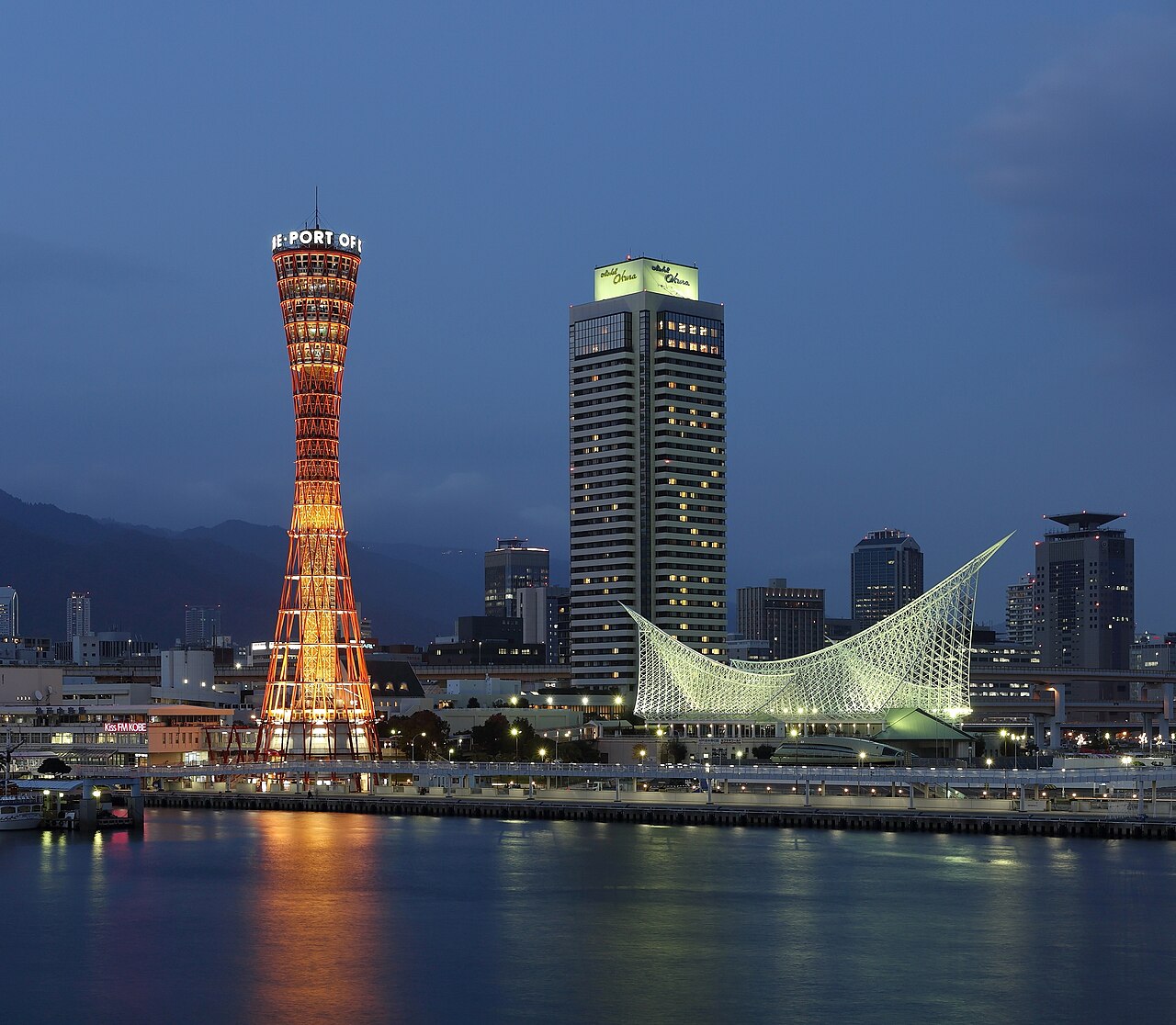
Winter is cold but dry and often brilliantly clear, which makes it the best season for sharp night views from the Port Tower and from the mountain. Snow is occasional in the city and more likely on Mount Rokko. Crowds are light, hot springs are at their best and hotel rates are generally lower outside the holiday period. Note that the Nunobiki ropeway usually closes for inspection for a few weeks in late winter, so check before you plan a visit. Chinese New Year celebrations in Nankinmachi bring color to the coldest weeks.
Daylight and timing
Days are short in winter, with the sun setting before five in the evening, which suits night views but leaves less time for outdoor sights, while summer evenings stay light well into the evening and give you a long, relaxed day. Plan mountain outings for the morning in every season, because clouds often gather by afternoon and views are usually clearest early.
So when should you go?
For the best overall balance, choose late March to early April for blossom, or late October to early December for leaves and lights. For fewer crowds and lower prices, choose winter or the rainy season. For mountain air, choose summer. Whenever you go, book timed tickets for the Port Tower, reserve a Kobe beef dinner in advance and keep one indoor option up your sleeve for bad weather.