Kobe is one of Japan's great food cities, and it manages to be both famous and approachable. The beef is world-renowned, the sake is among the best in the country and the port past left behind bakeries, cafes and a Chinatown. The challenge is not finding something delicious, it is choosing among the options. This guide shows how to eat and drink well without wasting a meal.
Kobe beef, without the confusion
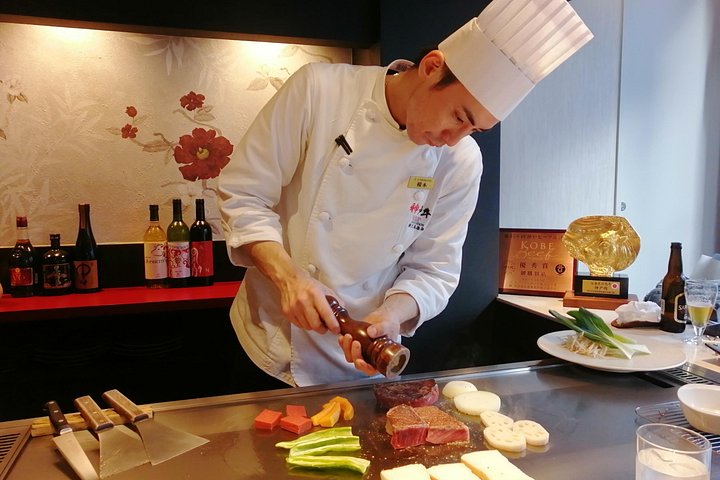
Genuine Kobe beef is a specific, certified type of Tajima-gyu from Hyogo Prefecture, graded and marked, and it is prized for its fine marbling and tender, melting texture. Because the name is used loosely in some places, look for restaurants that display the certification and can tell you the grade and origin. Teppanyaki counters, where a chef cooks in front of you, are the classic format and give you a show along with the meal. Sukiyaki and shabu-shabu pots suit people who like a communal, slower meal, and steak houses and yakiniku grills offer more casual choices. Lunch sets are the best way to try high-grade beef without the evening cost, so make lunch your beef meal and keep dinner flexible. Reserve a few days ahead for teppanyaki counters, and ask your hotel to book for you if you do not speak Japanese. A guided walking tour that ends with a beef meal, like the one on our Kobe beef page, is an easy introduction if you are nervous about ordering.
Sake in Nada
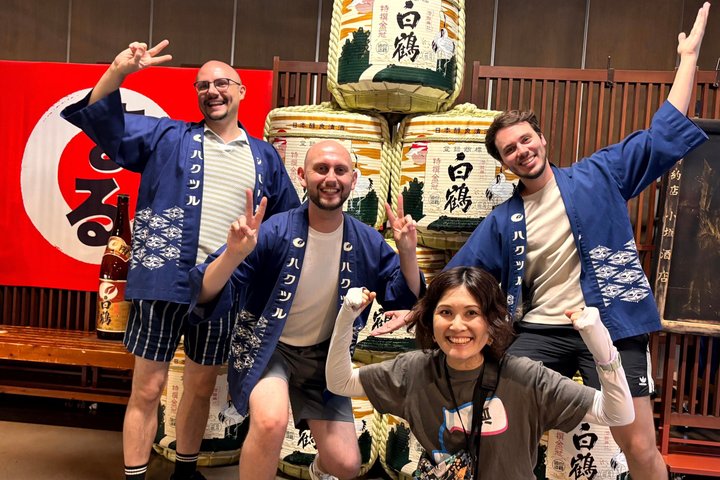
Kobe's Nada district, along the coast east of the center, is one of the largest sake-producing areas in Japan. Soft mountain water, quality rice and a long brewing tradition combine to make a clean, dry style that is easy to enjoy even if you are new to sake. Several breweries welcome visitors with tours, museums and tasting counters, and a guided visit is the simplest way to understand the process and learn how to taste. Many tours cover three or more breweries in a few hours and finish with a light snack. Go in the afternoon, eat something first and take the train back rather than driving. If you prefer to explore independently, a few breweries and shops sell bottles and small tasting sets, but opening hours vary, so check before you travel. Our Nada page has the details.
Chinatown grazing
Nankinmachi is the best place in the city for a cheap, fun, standing-up meal. Work your way along the lanes and share a few things: steamed pork buns, fried dumplings, skewers and a sweet or two, then sit down for tea and dessert. Go in the late afternoon when the lanterns come on, and bring cash for the smaller stalls. Vegetarians should ask about fillings, because pork is common. If you want a more structured introduction, a food walk through the market and Chinatown is a good way to taste more in less time.
Bakeries, cafes and coffee
Kobe was one of the first Japanese cities to take up Western baking and coffee, and the habit stuck. Around Kitano and Motomachi you will find bakeries selling soft breads and pastries, old-fashioned cafes with siphon coffee and pastry shops that make elegant cakes. A bakery breakfast is cheaper and quicker than a hotel buffet, and a stop in a cafe is the perfect reward after the uphill walk to the foreigners' houses. Sweets are a Kobe specialty, so save room.
A sample food day
Start with a bakery breakfast near Sannomiya, walk up through Kitano for a cafe stop, then drop down to Nankinmachi for a grazing lunch. Spend the afternoon at the harbor or the Nada breweries, and finish with a Kobe beef dinner, ideally booked in advance. On a lighter day, replace dinner with an evening walk through Motomachi's arcades and a drink in a small bar.
Practical tips
Many restaurants close one weekday each week, and smaller places may not take reservations from foreign visitors without help, so ask your hotel concierge. Tipping is not expected. Carry some cash, since smaller stalls and traditional restaurants often do not take cards. Tap water is safe, and most places offer free water or tea with a meal. Finally, tell the staff about allergies and dietary needs clearly, since fish stock and pork appear in many dishes.