Island cooking, simply done
The food of Kos is Greek island food: fresh vegetables, grilled meat and fish, olive oil in everything, cheese, bread and herbs. It is not an elaborate cuisine, and the best meals are often the simplest ones, eaten outdoors with a view of the sea or a village square. Because Kos has long been a holiday island, you will find everything from burger bars to polished restaurants, but with a little guidance you can eat very well and spend sensibly.
Start with the classics
A first meal usually begins with a spread of small dishes to share: tzatziki, a salad of tomato, cucumber, onion, olives and feta, grilled halloumi or local cheese, stuffed vine leaves, fried courgette or aubergine and warm bread. Then comes the main event, which might be grilled fish, souvlaki, a slow-cooked lamb or goat dish, or a baked dish such as moussaka. Ask what is fresh that day and let the waiter guide you. Fish is usually sold by weight, so ask the price before you order to avoid surprises.
Harbour and town tavernas
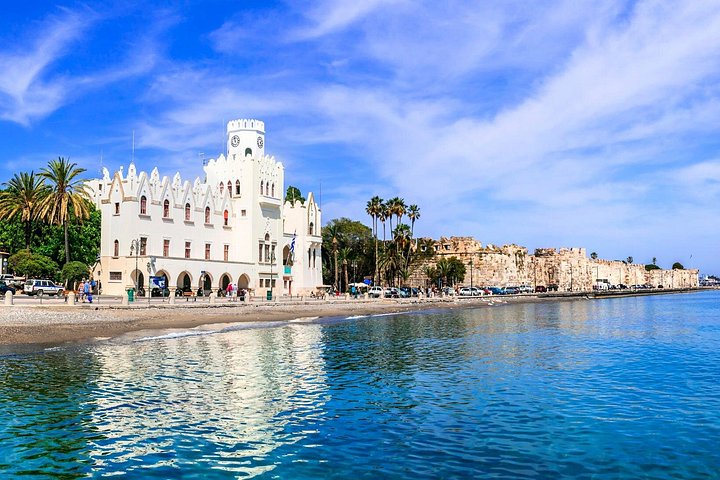
In Kos Town, the harbour and the streets behind it hold a wide mix of restaurants. The waterfront places have the best views and often the highest prices, while side streets and neighbourhood tavernas can offer better value. A good sign is a short menu, local customers and food cooked to order. Lambi has beach tavernas and bars within a short walk of the hotels, where you can eat with your feet nearly in the sand. If you want to test a place, begin with a few shared dishes and see how it goes.
Village kitchens
Away from the coast, villages such as Zia, Pyli and Kefalos have small kitchens serving local dishes. Zia is the best known and most touristy, with terraces facing the sunset, and while the prices are higher, the setting is memorable. Quieter villages offer a more authentic atmosphere and often more modest bills. A guided island tour with lunch is a convenient way to experience this side of the island without having to choose a place.
Local products worth buying
Honey is one of the island's treasures, often thyme or wildflower, and it is delicious with yoghurt, on bread or in tea. Olive oil from local groves is another staple, and the best bottles come from small producers. Wine is made in small quantities, and a tasting of wine, oil and honey is an easy way to compare styles and buy directly. Herbs such as oregano and thyme, dried in bunches, make light gifts. Travellers should remember that liquids must go in hold luggage on flights.
Sweets and coffee
Greek coffee is served strong in a small cup, and a frappe or freddo is the standard cold option in summer. Pastries and sweets are everywhere, from baklava and loukoumades, fried dough balls with honey, to yoghurt with honey and walnuts. A bakery breakfast of a cheese pie and a coffee costs little and is a satisfying start to a day of sightseeing.
Drinks
Beer is common, and local and Greek wines are served by the carafe at tavernas, a simple and affordable choice. Ouzo and tsipouro are the traditional spirits, often served with small plates, and they are best sipped slowly with water or ice and food. Non-drinkers will find plenty of juices, soft drinks and coffee, and tap water is usually safe for brushing teeth, though many visitors prefer bottled water for drinking.
Eating times and habits
Greeks eat late. Lunch is typically in the mid-afternoon, and dinner often starts after eight or nine in the evening, especially in summer. Restaurants will serve earlier for tourists, but the atmosphere builds later. Meals are leisurely, and the bill is not usually brought until you ask. Service is often included in the price, though many people leave a small tip.
Special diets
Vegetarians eat well in Greece, with plenty of vegetable dishes, beans, salads and cheese. Vegans can find options, especially during fasting periods when many dishes are cooked without animal products, but should ask about the use of cheese, eggs and meat stock. For allergies, speak plainly and ask staff to check with the kitchen.
Food experiences
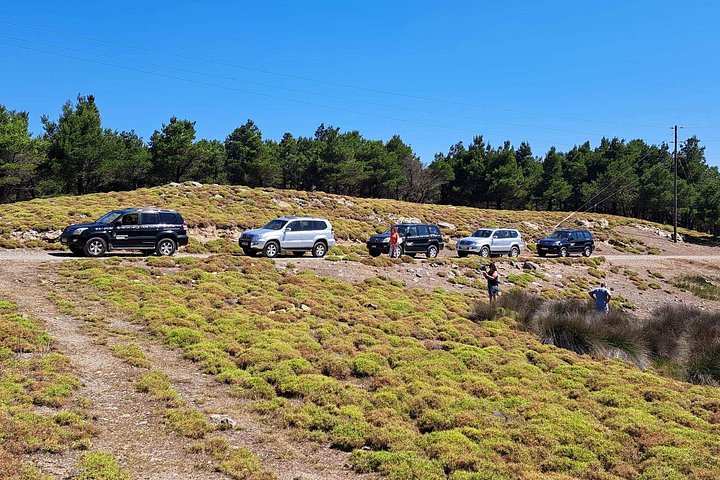
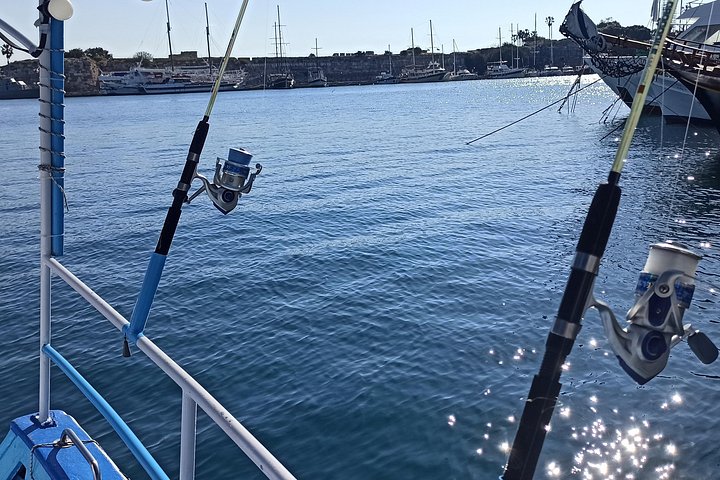
If you want to go beyond restaurant meals, consider a cooking class, a tasting or a day trip that includes lunch. Fishing with a local family is a fun way to learn about the sea, and a 4x4 food tour combines scenery with flavours. Many hotels with breakfast buffets also serve local honey and yoghurt, so look for these at the start of the day.
A simple plan
On a first visit, eat at least one long lunch in a village, one fish dinner in the harbour, one meal at a beach taverna and one breakfast of pie and coffee from a bakery. Bring home honey and oil, and you will take a little of Kos with you.