The idea
Three days is enough to see the essentials of Kos if you accept that the island rewards a relaxed pace. This plan gives one day to history, one to the sea and one to the interior, with the best light for each part of the day, and it leaves space for swimming, since a Kos holiday without a swim would be incomplete. It assumes you are based in Kos Town or Lambi, which keeps travel times short.
Day one: Hippocrates and the old town
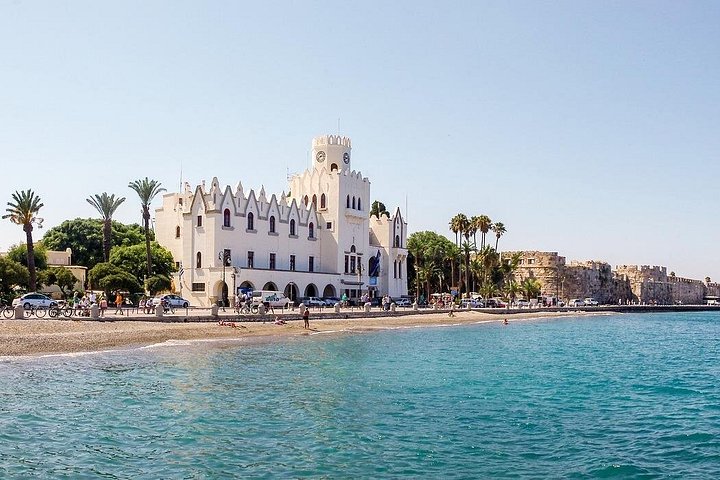
Start in the morning with a guided walk through Kos Town. The castle of the Knights of St John dominates the harbour, and its double walls and moat are impressive. Nearby, the Ancient Agora is a field of columns and foundations that once formed the commercial heart of the ancient city, and the plane tree linked with Hippocrates stands close to the castle. A walking tour helps you read these layers. If you prefer to go at your own pace, a self-guided scavenger hunt is a fun alternative for families. Have lunch in a harbour taverna, then rest during the hottest hours.
In the late afternoon, head to the Asklepieion, the healing sanctuary on a hillside a few kilometres from town. Climb the three terraces in order, imagine the pilgrims and priest-physicians and enjoy the view across the water to the Turkish coast. Late afternoon light is soft and the stone is cooler. A guided visit adds a lot, as the ruins are much easier to understand with explanation. End the day with dinner back in town, perhaps near the harbour, and an unhurried stroll along the seafront.
Day two: the sea
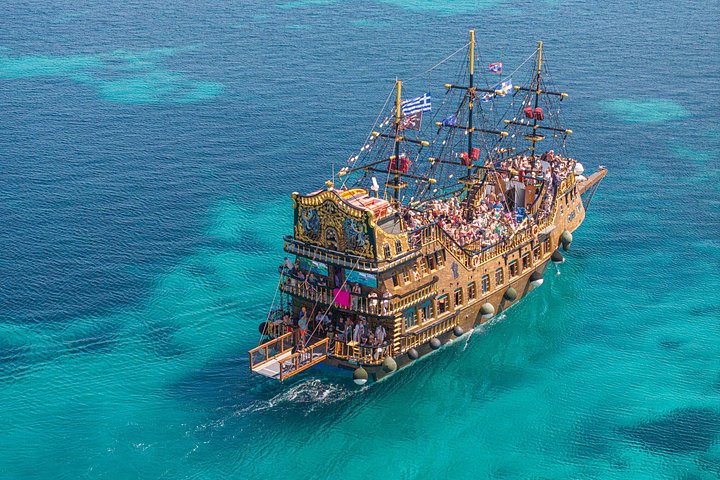
Spend day two on a boat. The classic choice is a three-island cruise, which sails across the strait to small islands such as Pserimos, Kalymnos and Plati with swimming stops and lunch. Choose the style that suits your group: a well-reviewed cruise for a social day, the pirate boat for children, a glass-bottom boat for a gentle pace or a catamaran or sailing trip for a quieter, small-group experience. Pack swimwear, sunscreen, a hat, a towel, reef shoes and a seasickness remedy if you need one. Book ahead in July and August.
If you would rather spend the day on land, choose a beach. The north coast around Tigaki and Marmari has long sandy beaches with shallow water, while Lambi is closest to town. In the evening, have a relaxed dinner and an early night, because a day on the water is more tiring than it feels.
Day three: villages and hills
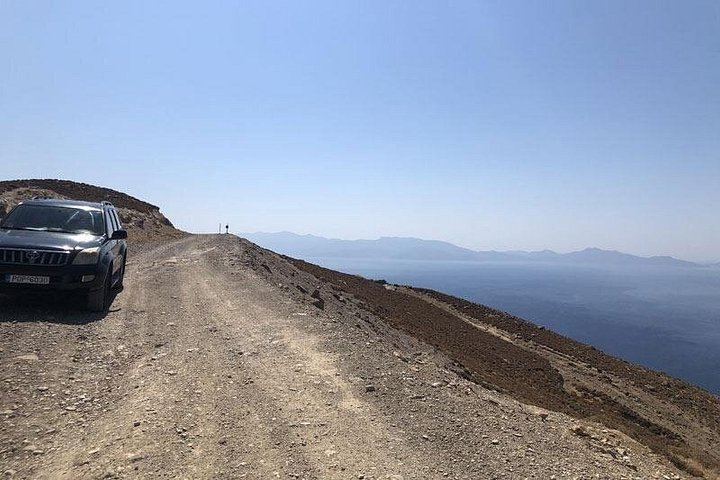
Dedicate the third day to the interior. A Land Rover or 4x4 excursion takes you off the coast road to viewpoints, villages and farm stops, with the chance to taste local products. If you prefer a lower-key day, a guided island tour with lunch connects the main sights with a meal. In the late afternoon, drive or join a tour to Zia, the village on the slopes of Mount Dikeos, to watch the sunset with a drink, browse the shops for honey, herbs and olive oil, and have dinner on a terrace facing west. Arrive early, because Zia is busy at sunset in high season.
Options and swaps
If you want something different, replace the boat day with a trip to Nisyros, the volcanic island where you can walk into a crater, or add a spa session in the evening. If you travel with young children, consider the water park for a day of slides. If you travel in a cooler season, reverse the plan and spend more time on the ruins. If the weather is windy, swap days so that the boat day falls on a calmer morning.
Practical tips
Carry water, sunscreen and a hat everywhere, and wear shoes with grip at the ruins. Check opening days for the castle, the Agora and the Asklepieion, since most Greek sites close one day a week. Keep some cash for villages and small boats. Reserve restaurant tables in the evening in July and August, especially in Zia. If you drive, allow extra time for mountain roads.
Making it your own
Three days will not exhaust Kos, but it gives you a rounded picture: the town and the history, the sea and the islands, the hills and the food. With a fourth day you could add Nisyros, a hamam, a wine and honey tasting or simply a second beach day. The great virtue of the island is that nothing is far, so the plan is easy to adapt as you go.