A summer island with shoulders worth knowing
Kos has a classic Mediterranean climate, with hot, dry summers and mild, wetter winters. The tourist season follows the weather, and the choice of when to go changes what you can do, what you pay and how crowded the island feels. This guide walks through the year season by season and explains the wind, which matters more than many first-time visitors expect.
Spring: green, fresh and quiet
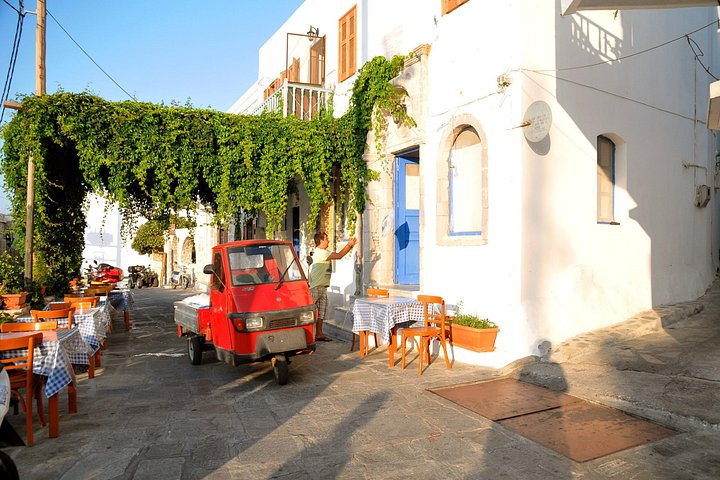
From April to early June, the island is at its greenest, with wildflowers on the hills and a soft light on the ruins. The sea is still cool for swimming, particularly in April, but the days are pleasant for walking, cycling and sightseeing. This is an excellent time for the Asklepieion, the castle and the hill villages, because the heat is gentle and the crowds are small. Some resorts open late in April or May, and some boat trips start later, so check dates. By late May, the sea warms and beach days become comfortable.
Early summer: the sweet spot
June is often the best month overall. The weather is hot but not extreme, the sea is warm enough for long swims, the days are long and the island is lively without being overwhelmed. Boat trips operate in full, restaurants and beach bars are open and prices are lower than in July and August. Many repeat visitors choose June or September for exactly this reason.
High summer: hot, busy and breezy
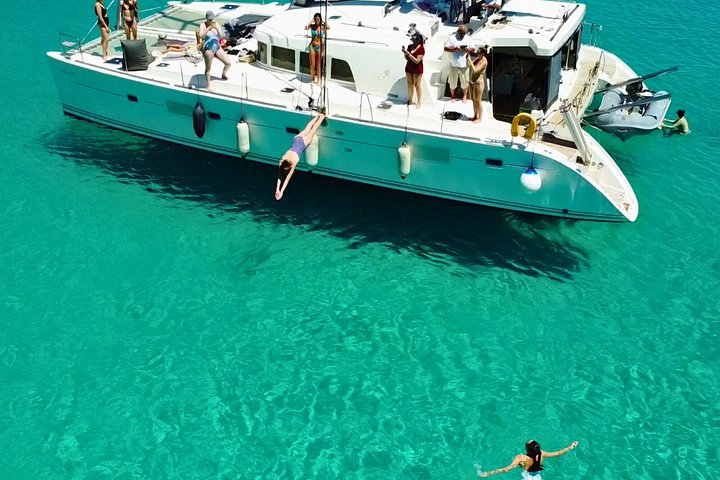
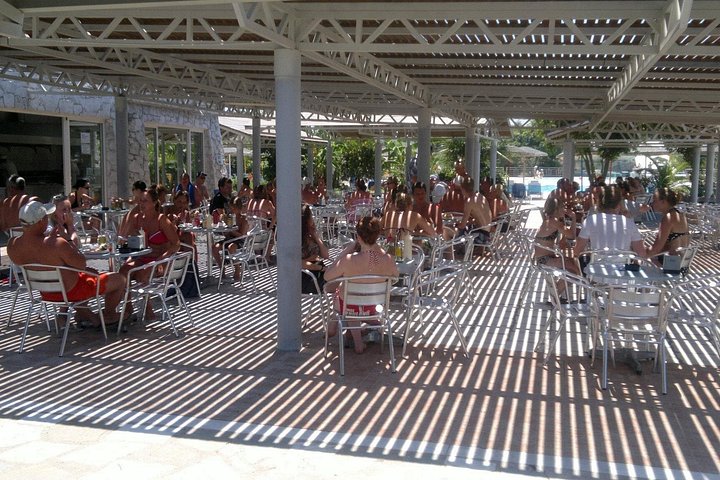
July and August are the hottest and busiest months. Daytime temperatures rise, the sun is intense and midday sightseeing can be punishing, so plan ruins and walks for morning or late afternoon and save the middle of the day for the beach, a pool or a siesta. The meltemi, a strong north wind that blows across the Aegean, is common in this period. It cools the air and clears the sky, but it also raises waves, and on windy days boat trips can be shortened or cancelled and beaches facing north can be rough. South-facing and sheltered beaches are better then. Book accommodation, cruises and popular restaurants early.
Autumn: warm sea and softer light
September and early October are lovely. The sea retains the summer heat, the air is warm, crowds thin and prices ease. It is a great time for boat days, Nisyros and beach holidays. The light is softer and the sunsets are beautiful, particularly from Zia. By mid to late October, some resorts and restaurants begin to close, the wind picks up and rain becomes more likely, so confirm what is open. Atlantica Marmari Palace, for example, closes from the end of October.
Winter: quiet and local
From November to March, Kos is quiet. Many beach resorts, boat operators and seasonal restaurants close, though Kos Town stays alive with locals, and a few hotels remain open. Days can be sunny and mild, but rain and wind are common, and the sea is cold. This is a time for walks, archaeology and a slow pace rather than for swimming. If you travel in winter, check ferry schedules, as services are reduced and rough seas can cause delays, and book a hotel that is open year-round, such as one in Kos Town.
Sea temperatures
The water warms slowly through spring, reaches its best in late summer and holds its warmth into early autumn. If swimming is your priority, aim for June to September.
Crowds and prices
The busiest weeks are in July and August, especially around the holidays in Europe, when flights and rooms cost the most. Shoulder months offer the best value, and children are in school, so families usually choose summer despite the cost. If you can travel outside school holidays, you will gain space and savings.
What changes for sightseeing
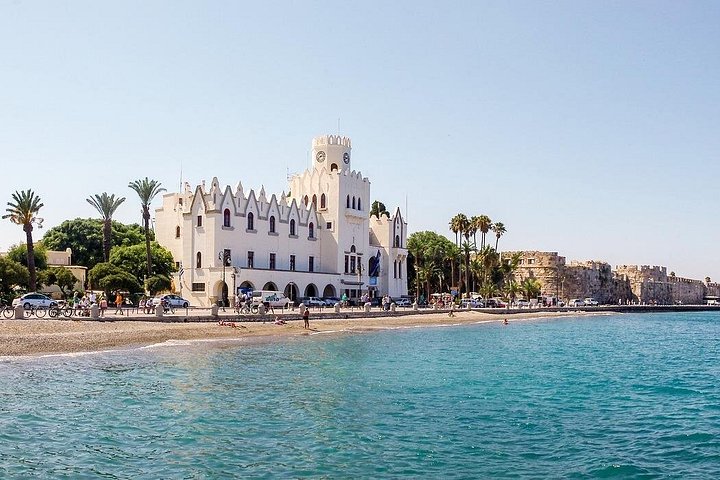
Archaeological sites and museums often have shorter hours in the off-season and a weekly closing day. In summer, they may open early and close in the late afternoon. Always check locally before you travel, especially for the Asklepieion and the castle.
Matching the season to your plans
For history and walking, choose April, May or October. For a classic beach holiday, choose June or September. For nightlife and a lively atmosphere, choose July and August. For water park and family fun, choose summer, when the facilities are open. For a quiet winter break, choose Kos Town and bring a jacket.
A final note on wind
Whenever you go, check the forecast for wind before booking a boat day, and keep a flexible schedule so you can swap days if conditions are rough. A calm morning is worth waiting for.