Kuala Lumpur sits just north of the equator, so there is no winter and no summer, only a hot, humid climate that shifts between wetter and drier spells. The good news is that you can visit at any time of year. The better news is that a few choices about timing can make your trip cooler, quieter or more colourful. This guide explains the pattern.
The basic climate
Expect daytime highs around the low 30s Celsius and warm nights all year, with high humidity that makes it feel hotter. Rain is possible in any month, and it often arrives as a short, heavy downpour in the afternoon, with thunder, followed by clear skies. Mornings are usually the best time for outdoor sights, and afternoons are for museums, malls and a rest.
The drier months
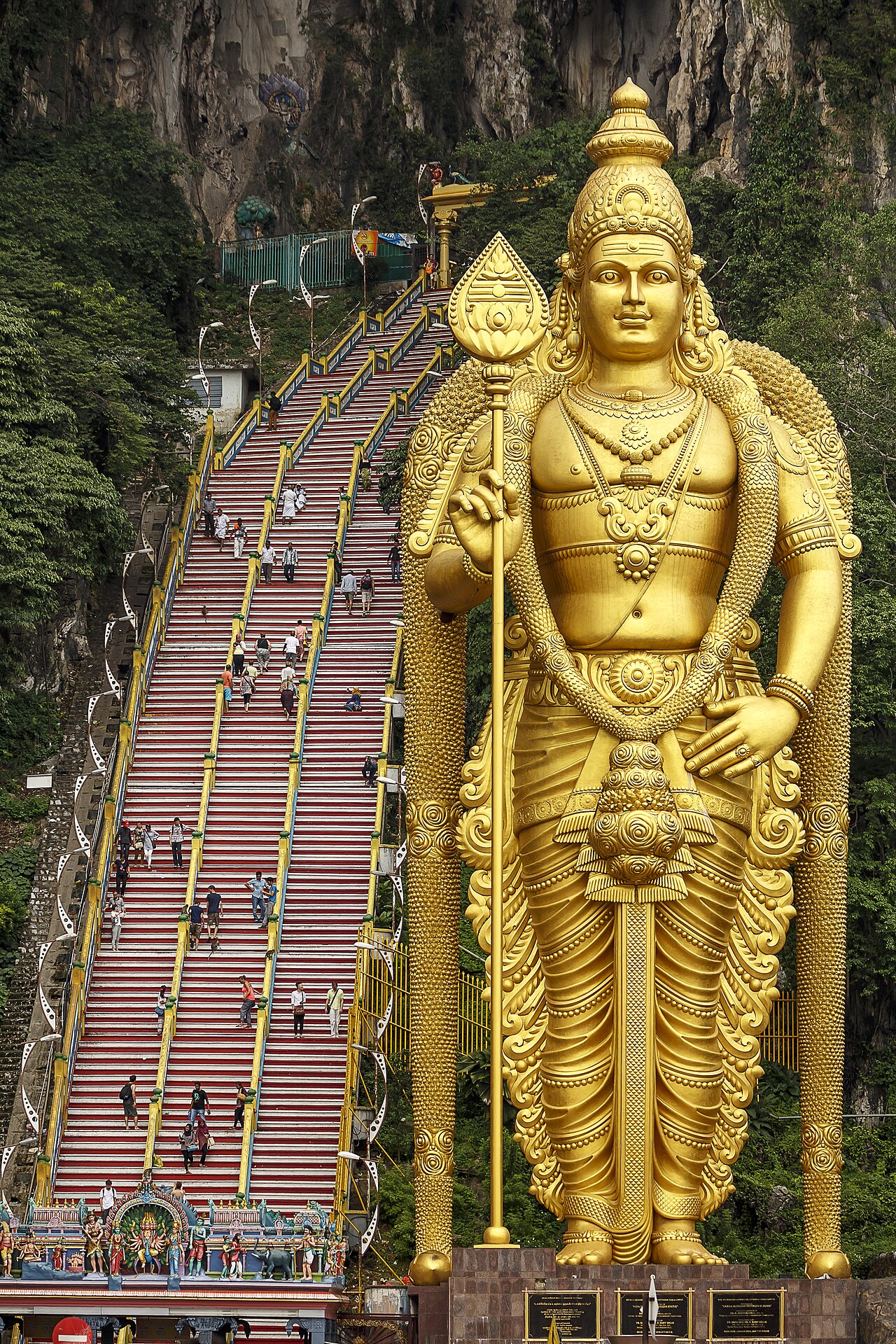
The driest and sunniest stretch usually runs from around June to August, and again in January and February, when you are more likely to enjoy clear skies for the Skybridge, the Batu Caves steps and the Lake Gardens. These months are popular with visitors, so book the Petronas Towers and day tours early. In some years, haze from regional fires can affect air quality in the drier months, so check the forecast if you are sensitive to it and plan indoor alternatives.
The wetter months
Rain tends to be heaviest in two periods, roughly April and May and then October to November, when afternoon and evening storms are almost daily. This is not a reason to avoid the city: storms pass quickly, hotel rates can be lower, crowds are thinner and the plants look their best. Plan outdoor sights in the morning, keep indoor options such as the Islamic Arts Museum, Aquaria KLCC and KL Bird Park for the afternoons, and carry a compact umbrella. Some boat and cable-car experiences may pause in bad weather.
Festivals worth planning around
Chinese New Year, in late January or February, fills Chinatown and Thean Hou Temple with lanterns, though many local shops close for several days and the city is busy with domestic travel. Thaipusam, usually in January or February, brings huge crowds to Batu Caves for a spectacular Hindu festival, but the site is very crowded and access is restricted. Ramadan, the fasting month, changes the rhythm of the city, with fewer daytime food stalls and famous evening bazaars, and it ends with Hari Raya Aidilfitri, when the city empties as families travel home. Deepavali, the Hindu festival of lights, usually falls in October or November, and Merdeka Day on 31 August celebrates independence with parades. Check the dates each year, because several follow lunar calendars.
Crowds and holidays
Malaysian school holidays and public holidays, especially around Hari Raya and Chinese New Year, bring crowds to the main sights and push up flight and hotel prices. Weekends are busier than weekdays at Batu Caves, the Petronas Towers and the malls. If you can, visit the big attractions on weekday mornings. The Petronas Towers are closed on Mondays, so do not leave them for the end of the trip.
Shoulder-season tips
The weeks between the main festivals are often the sweet spot, with moderate crowds and reasonable prices. Book the Petronas Towers a week or two ahead even then, and be flexible about days, since Monday is closed. Hotels near rail stations are worth a small premium in the wetter months, when a short walk can mean a soaking, and a covered link to a mall or station is a real advantage.
Our suggestion
For the best balance of weather and atmosphere, aim for the drier months outside the biggest festival weeks, but do not let the forecast put you off. A trip in the wetter months can be wonderful if you accept the afternoon downpours.
What to pack
Lightweight, breathable clothes in cotton or linen, a hat and sunscreen, a compact umbrella or poncho, comfortable walking shoes and sandals that dry quickly. Bring a scarf or light layer for modest dress at temples and mosques, and for the strongly air-conditioned malls, trains and restaurants, which can feel cold after the heat outside. Insect repellent is useful near parks and water. Carry a refillable bottle and drink often.
Planning around the weather
If rain is forecast, switch your plan: do the Petronas Towers and KL Tower on clear days, and save the museums, malls and food courts for stormy afternoons. If it is very hot, take a long lunch and return to your hotel pool before sunset. Flexibility is the key, and a good rail pass or a Grab app helps you adjust your plans quickly.