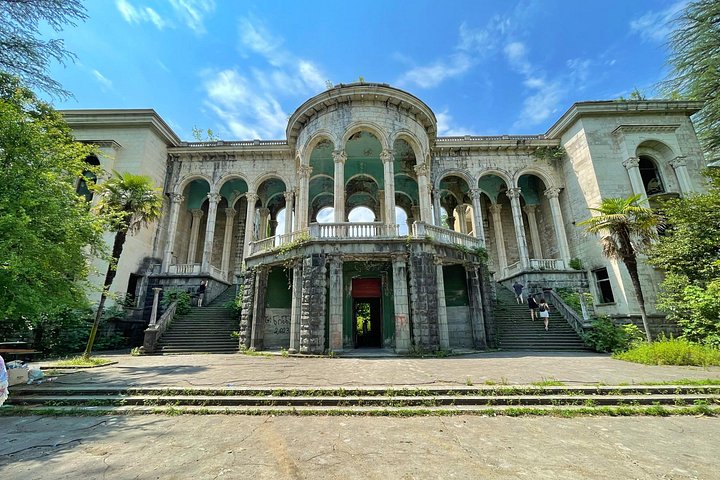
Tskaltubo is a spa town about twenty minutes from Kutaisi, famous for its warm, mineral-rich waters and for the huge sanatorium buildings that the Soviet Union raised here in the 1930s to 1950s. At its peak, hundreds of thousands of workers came each year for treatment and rest. After the collapse of the USSR the buildings emptied, and many are now crumbling in overgrown gardens, which gives the town a hauntingly photogenic atmosphere. Guided tours visit the best-known sanatoriums and explain the history, and some include a soak in the thermal pools. It is a half-day outing that is unlike anything else in Georgia.
The story behind the place is as striking as the buildings. The waters of Tskaltubo are warm and radon-rich, a quality once thought therapeutic, and the sanatoriums were designed as palaces for the working class, with colonnades, mosaics, marble halls, stage sets and ornamental pools. Names such as Medea and Tskaltubo reflect the Soviet taste for mythic grandeur, and Stalin had his own bathing pavilion. Today some of the structures are in use as housing for displaced families, while others stand empty, with pigeons in the ballrooms and trees growing through the roofs.
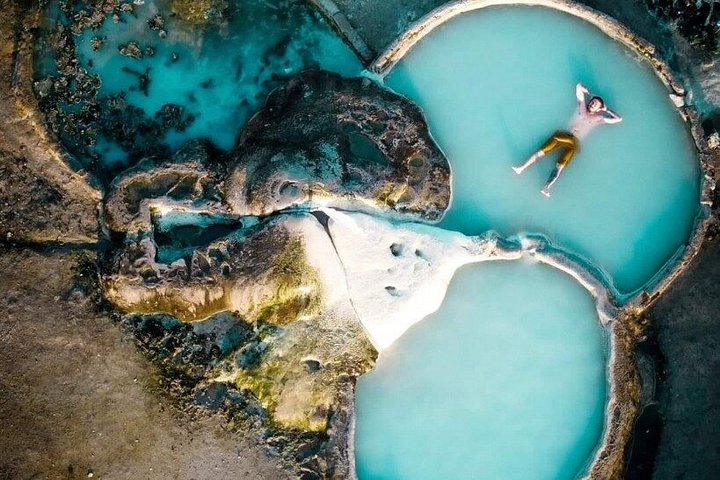
A guided tour is the best way to see them. Guides explain which buildings can be entered safely, share stories of the Soviet visitors and describe the town’s uncertain future. Many tours also include a stop at a working bathhouse where you can try the warm water in a private tub or a communal pool, and sometimes a Georgian lunch or wine tasting. Take care in any ruins: stay with the guide, follow instructions and wear sturdy shoes. The town’s parks are pleasant to walk in, with old trees, benches and a calm, melancholy beauty.
The trip is easily arranged from Kutaisi, whether as a group tour, a private car or a combination with Prometheus Cave and Gelati. Plan about three to four hours, and bring a camera, water and a small amount of cash for any extras. Some buildings are privately owned or being restored, so access changes over time, and a guide will know what is open. The visit suits photographers, architecture fans and anyone interested in the Soviet era, but it is not a typical tourist attraction, so expect rough edges.
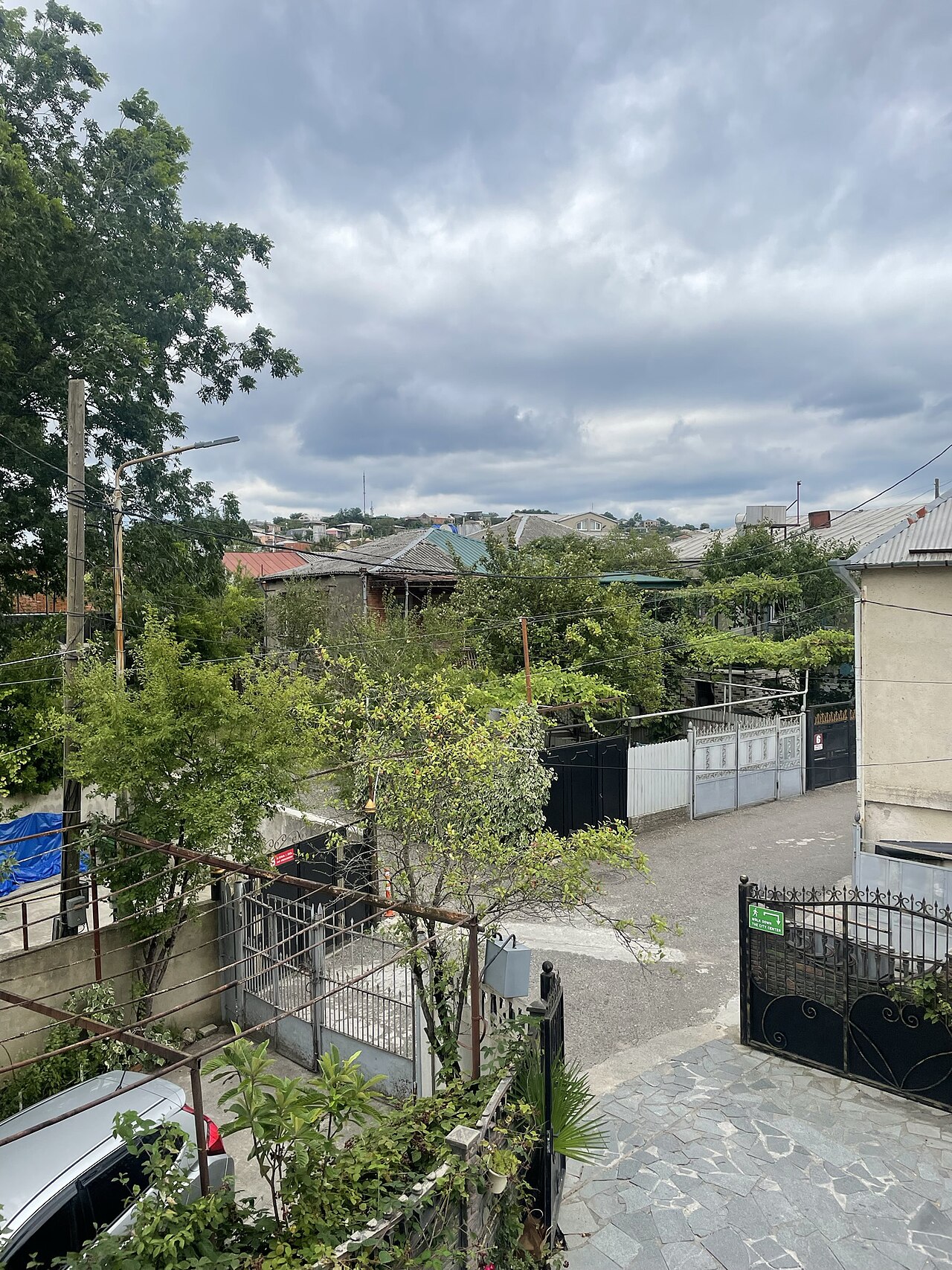
Respect is important. People still live and work in parts of the town, and some of the buildings carry painful associations for families who have been housed there for decades. Ask before photographing residents, and avoid wandering alone into unsafe structures. With that in mind, the visit offers a thoughtful look at how political ambition, leisure and decline can be written into stone, and it pairs well with the tourist-friendly sights near Kutaisi.
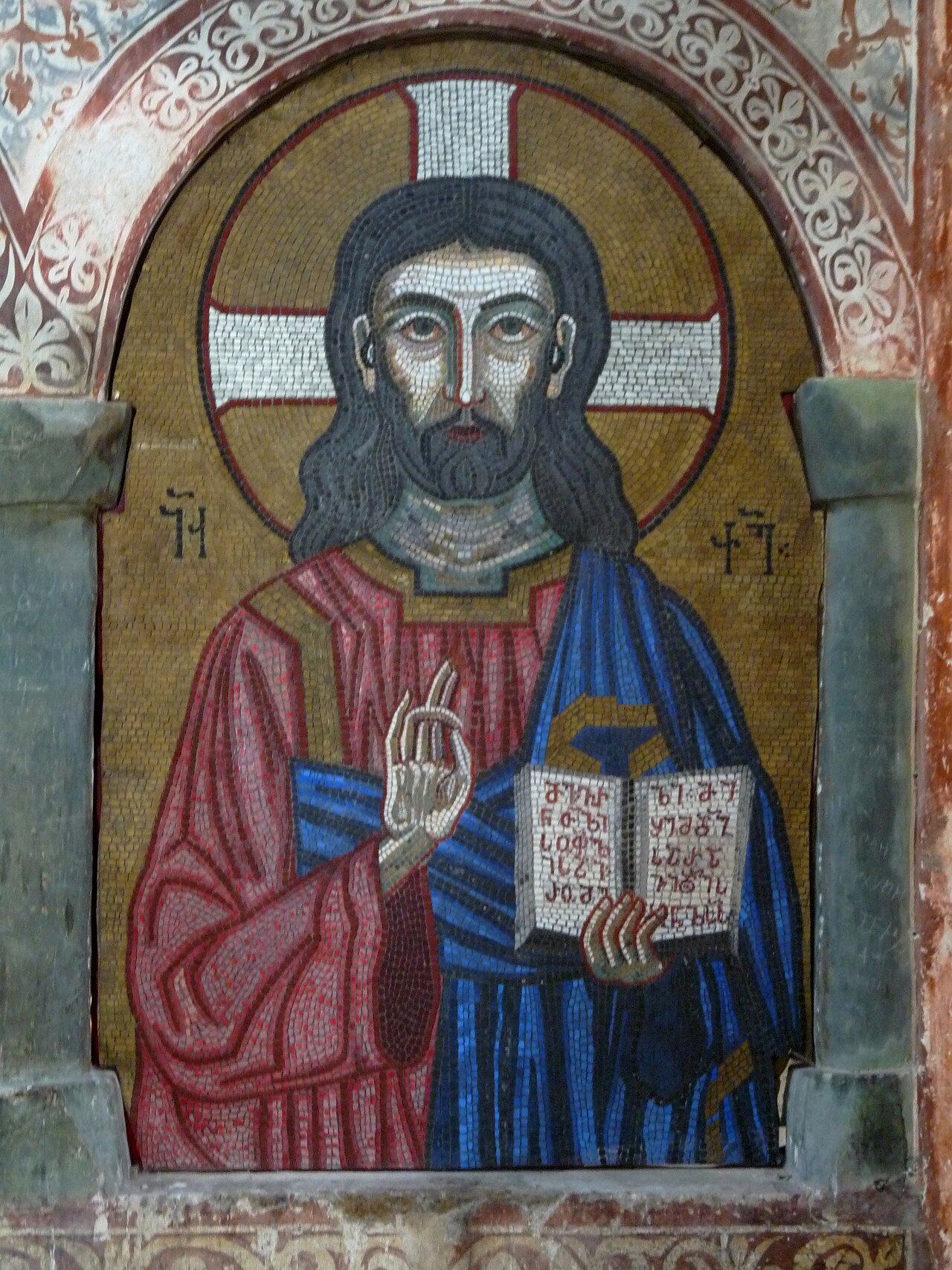
For many visitors the surprise is how much beauty remains. Mosaic-covered walls, curved staircases, cast-iron lamps and painted ceilings survive in some halls, and the surrounding parks contain palms, cedars and a lake with a small island. A short walk between the sanatoriums reveals how the whole town was planned as a single resort.
Ask your guide about the efforts to restore or repurpose some buildings, which change the picture from year to year. Pair the visit with lunch in Kutaisi so that the contrast between the ruins and the lively city is clear, and try to go on a dry day when the light is good.
What to expect
The experience
A guided half-day trip by car or minibus to a spa town of Soviet-era sanatoriums, with optional thermal bathing.
Best time
Any season; dry weather and good light are best for photography.
How long
Three to four hours.
Tips
Wear sturdy shoes. Stay with your guide in any ruins. Ask before photographing residents.
Quick picks
- Best for
- Photographers, architecture lovers and Soviet history fans.
- Families
- Better for older children; ruins need supervision.
- Couples
- An unusual, atmospheric outing for curious couples.
- Pair with
- Prometheus Cave and Gelati Monastery.
- Time needed
- Three to four hours.
Good questions
What is Tskaltubo?+
A spa town near Kutaisi with warm mineral waters and large Soviet-era sanatorium buildings, many of them now abandoned.
Can I go inside the buildings?+
Some can be visited with a guide, but access changes and some are unsafe, so follow your guide.
Can I bathe in the thermal water?+
Many tours include a stop at a working bathhouse with warm mineral water; check what your tour offers.
How far is it from Kutaisi?+
About twenty minutes by road.
Is it suitable for families?+
It can be for older children, but the ruins need supervision.