Bagrati Cathedral
The great eleventh-century cathedral on Ukimerioni Hill, built in 1003 as a symbol of a united Georgia, with the best view over Kutaisi and the Rioni River at sunset.
Georgia
Kutaisi is Georgia's old capital and the best gateway to the green, wet, ancient west of the country: a river city of theatres, bridges and a famous market, crowned by Bagrati Cathedral, with the golden mosaics of Gelati Monastery nearby and some of the Caucasus' finest natural sights within an hour's drive.
Prometheus Cave opens into lit halls of stalactites, Martvili Canyon glides past mossy walls by boat, Okatse offers a walkway over the gorge, and Sataplia shows real dinosaur footprints. Further out lie the Soviet sanatoriums of Tskaltubo, the cable cars of Chiatura, the wine villages of Imereti, the Racha highlands and the towers of Svaneti. This guide gathers 22 experiences, 8 hotels and 6 travel guides to plan a stay properly.
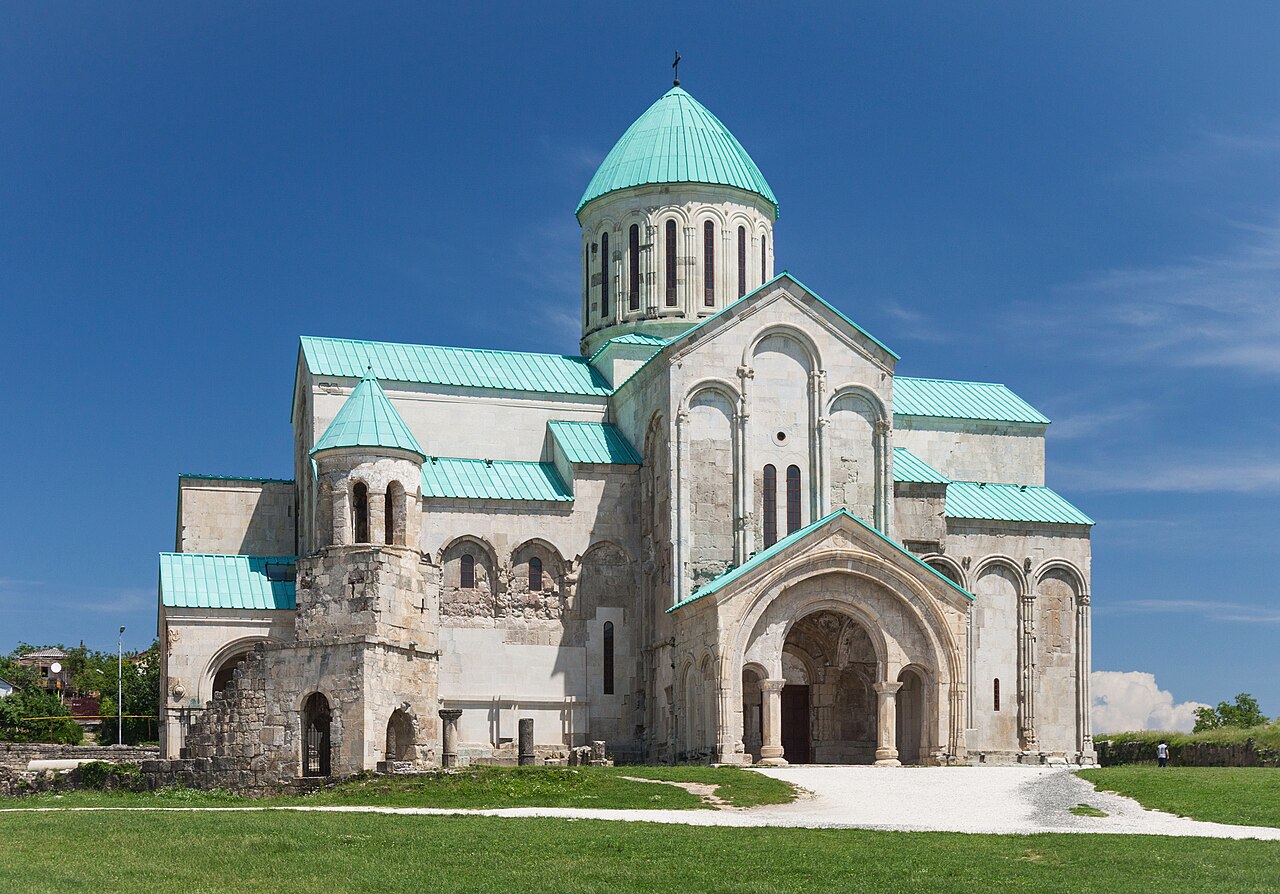
Bagrati Cathedral
The great eleventh-century cathedral on Ukimerioni Hill, built in 1003 as a symbol of a united Georgia, with the best view over Kutaisi and the Rioni River at sunset.
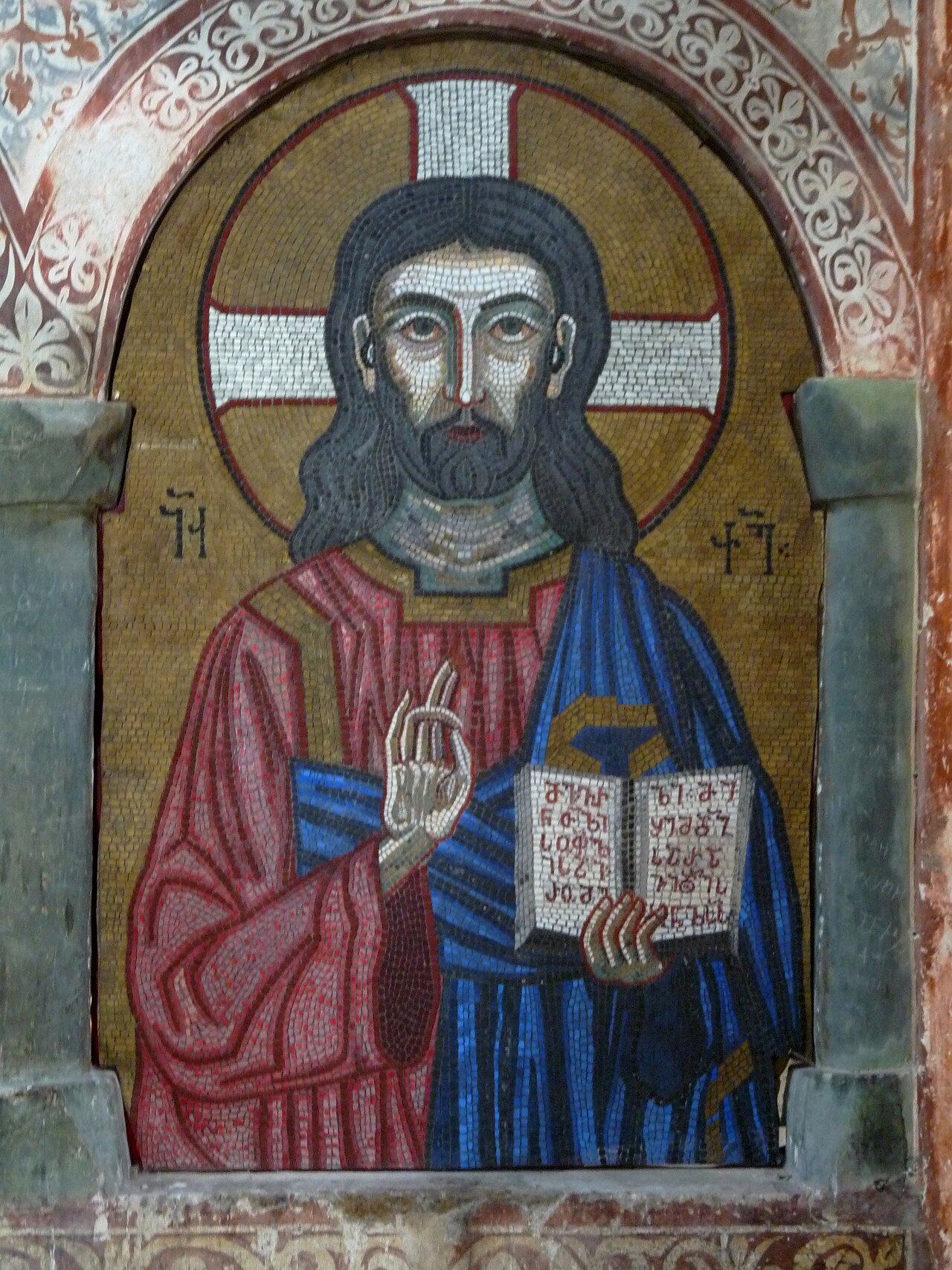
Gelati Monastery
A UNESCO-listed monastery founded in 1106 by King David the Builder, famous for its glowing apse mosaic of the Virgin and Child and its quiet hillside setting above Kutaisi.
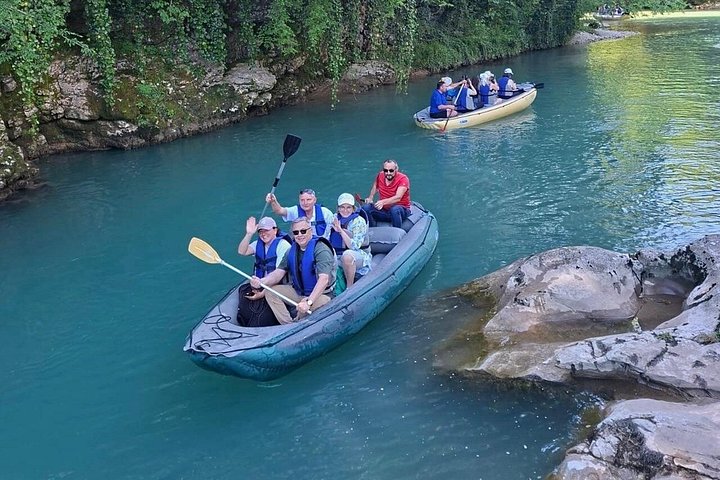
Prometheus Cave
One of the largest caves in the Caucasus, a lit walkway through huge chambers of stalactites, stalagmites and mirror-still pools, about forty minutes by road from Kutaisi.
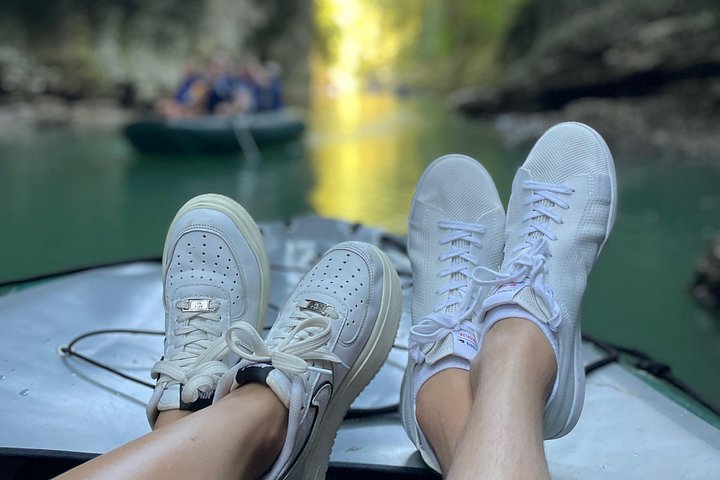
Martvili Canyon
A narrow emerald gorge on the Abasha River, where wooden walkways and a short boat ride take you beneath moss-covered cliffs and small waterfalls.
Hand-picked: every experience here has strong traveler reviews and a verified booking link.
The great eleventh-century cathedral on Ukimerioni Hill, built in 1003 as a symbol of a united Georgia, with the best view over Kutaisi and the Rioni River at sunset.
A UNESCO-listed monastery founded in 1106 by King David the Builder, famous for its glowing apse mosaic of the Virgin and Child and its quiet hillside setting above Kutaisi.
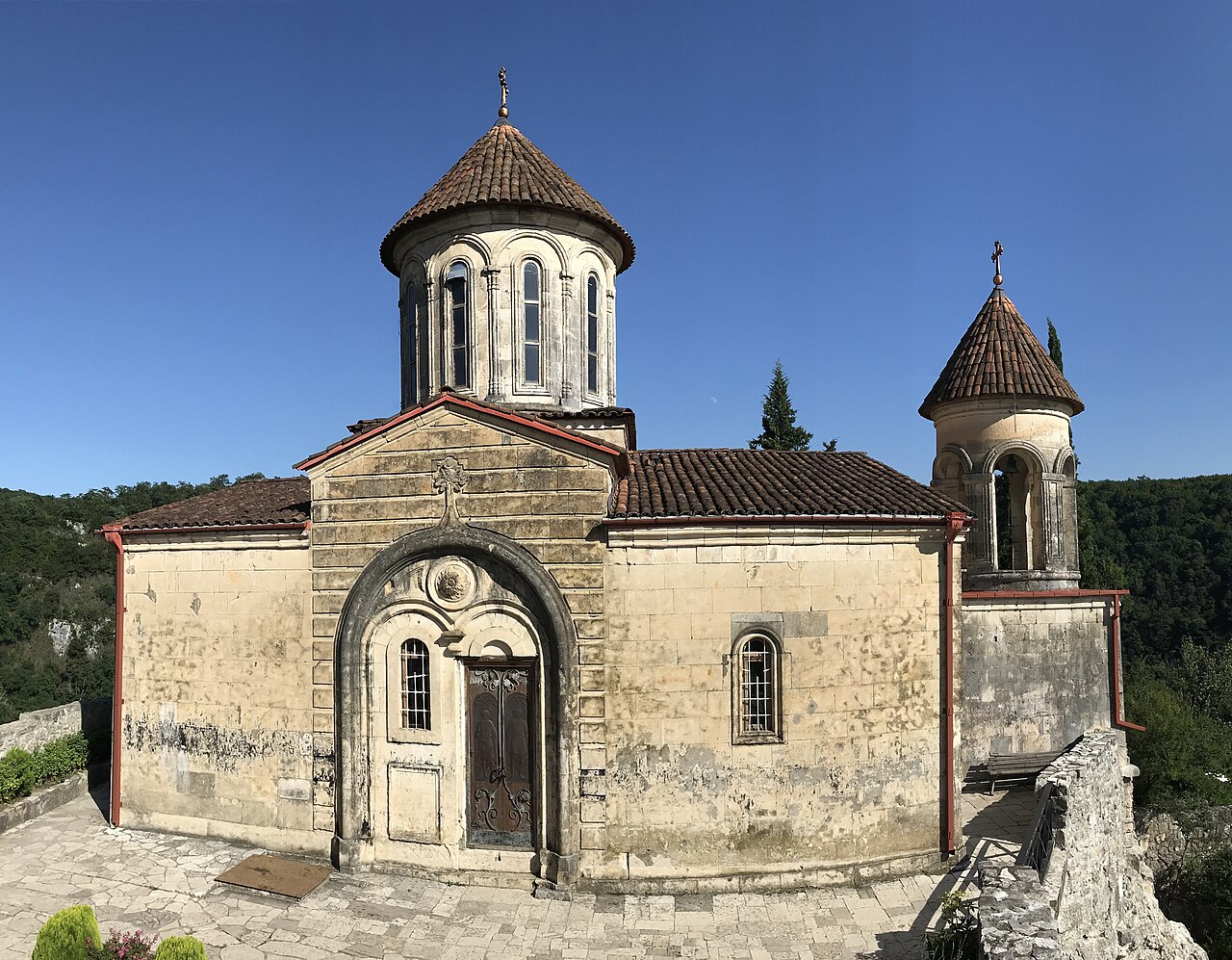
A small cliff-top monastery above the Rioni gorge that holds the relics of two martyred princes, with a crypt legend, a forest walk and one of the prettiest views near Kutaisi.
One of the largest caves in the Caucasus, a lit walkway through huge chambers of stalactites, stalagmites and mirror-still pools, about forty minutes by road from Kutaisi.
A narrow emerald gorge on the Abasha River, where wooden walkways and a short boat ride take you beneath moss-covered cliffs and small waterfalls.
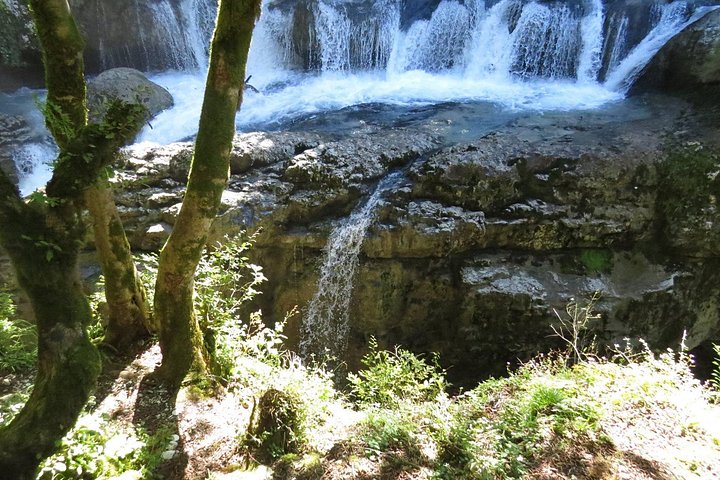
A forest trail and a dizzying metal walkway cantilevered over the Okatse gorge, with a viewing platform above a 100-metre drop and a waterfall at the end.
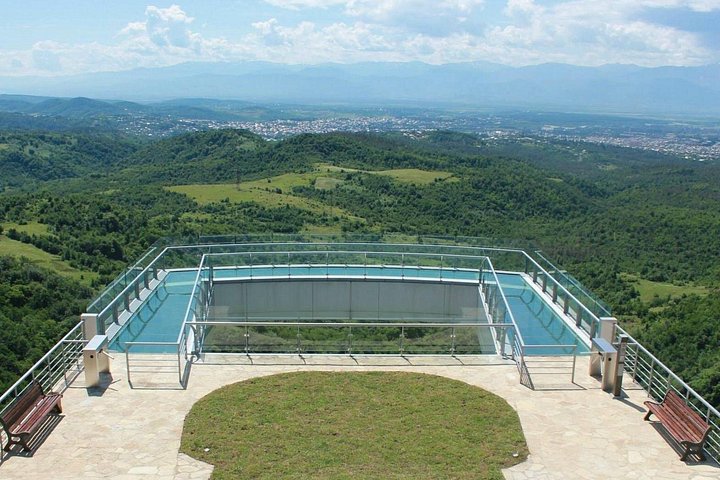
A forest reserve just outside Kutaisi with real dinosaur footprints preserved in limestone, a glass-floored viewing platform and a small karst cave you can walk through.
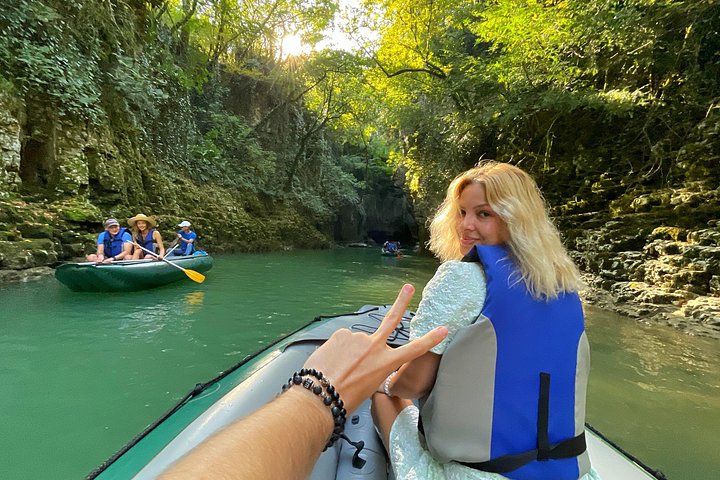
The classic full-day group trip from Kutaisi: Prometheus Cave, Martvili Canyon and Okatse Canyon in one go, usually with a Georgian lunch and a licensed guide.
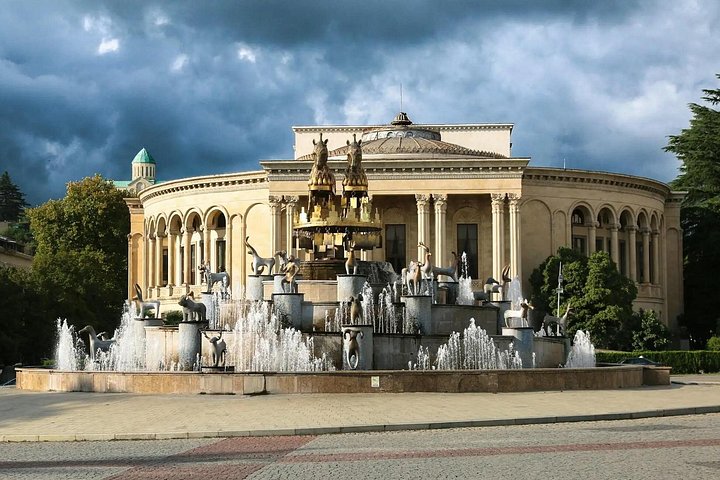
A guided stroll through the old town, along the Rioni, past theatres, bridges and the Colchis Fountain, ending at the Green Bazaar with tastings of local bread and cheese.
 Free
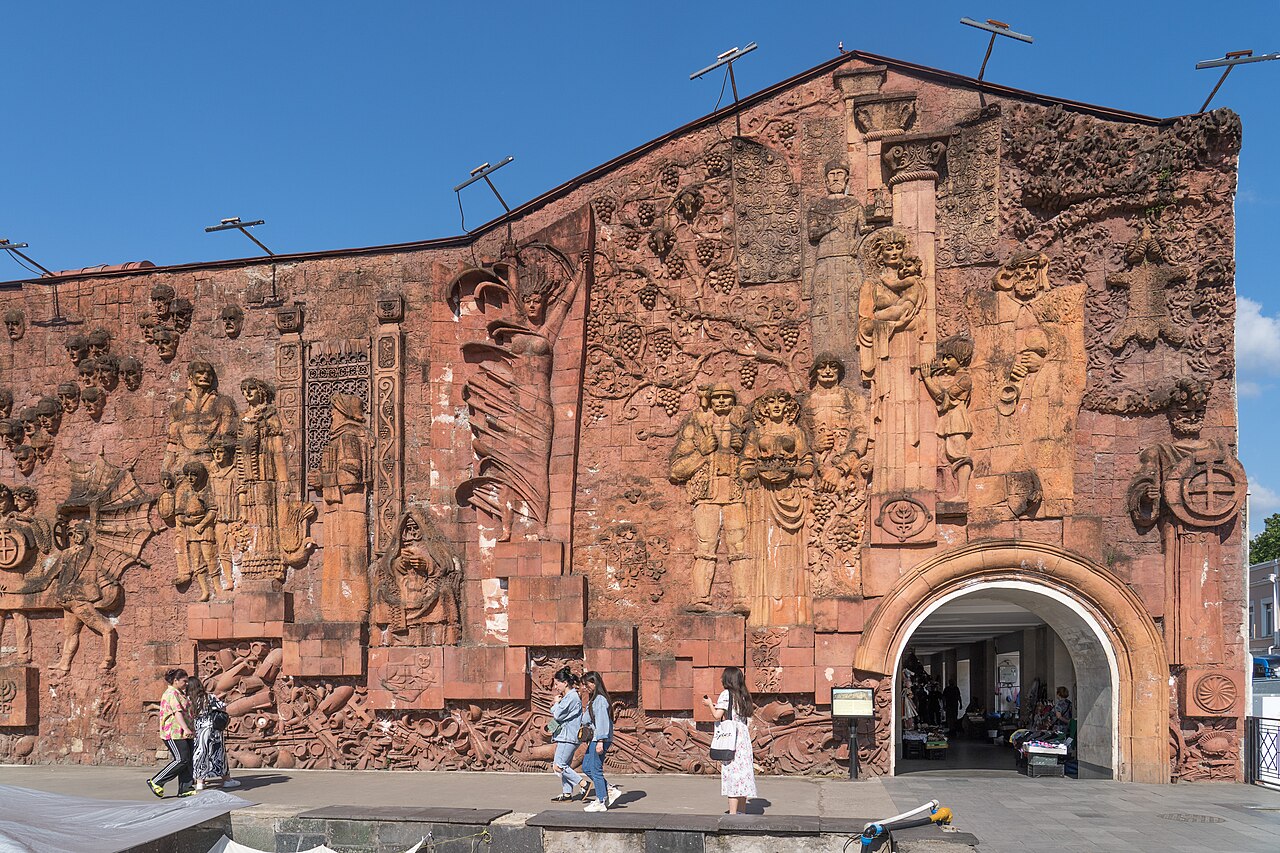
The city’s great covered and open-air market, where spices, cheeses, honey, churchkhela and mountains of herbs make the best free food experience in Imereti.
A leafy hillside garden about a kilometre from the centre, with around seven hundred kinds of plants, shaded paths, city views and a small chapel built inside a 400-year-old oak trunk.
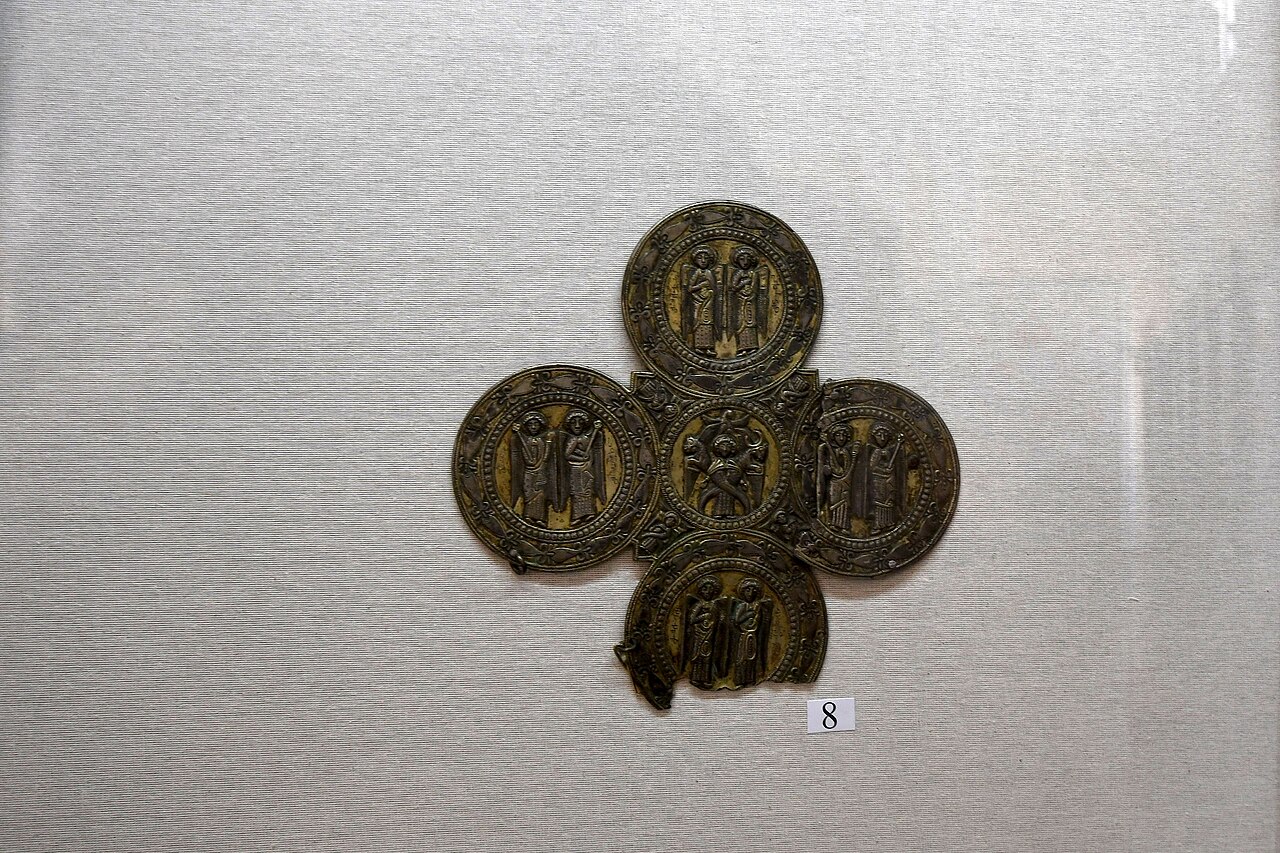
The region’s main museum, with archaeology from ancient Colchis, medieval treasures from the Kingdom of Imereti and ethnographic collections that explain the city’s long past.
Hotels we would book ourselves, from splurges to good-value bases.
City Centre
A familiar international brand in the middle of Kutaisi, with family-friendly touches, a pet-friendly policy and an easy walk to the square, theatres and market.
Check rates →Near the Green Bazaar and Bagrati
A well-reviewed upper mid-range hotel close to the Green Bazaar and Bagrati Cathedral, with a buffet breakfast, massage service and strong guest scores.
Check rates →Near Bagrati Cathedral
A small, friendly boutique hotel a few minutes from Bagrati Cathedral and the Botanical Garden, with local breakfast, free parking and a pet-friendly welcome.
Check rates →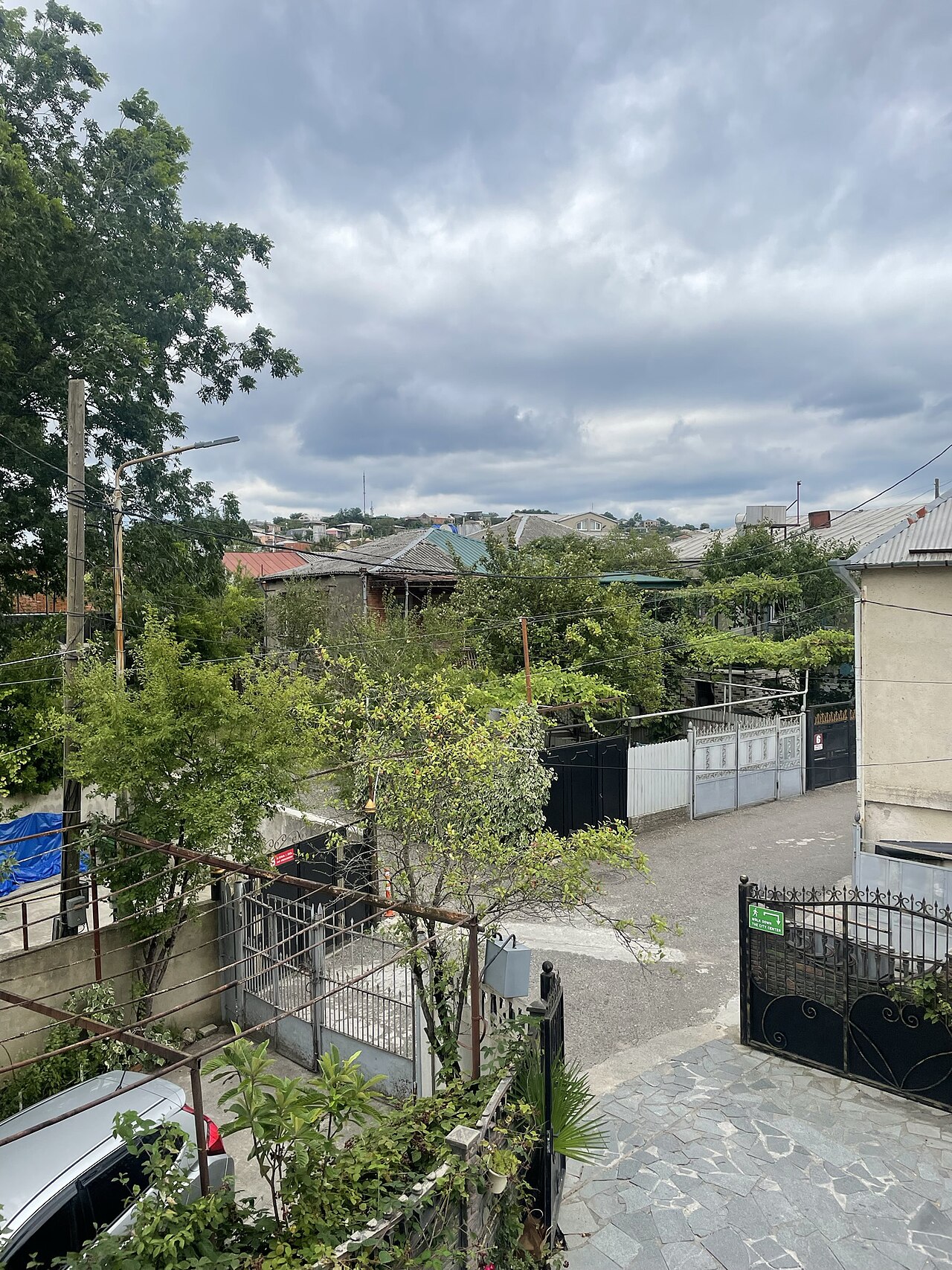 $
Near the Botanical Garden
A practical, well-liked hotel with a continental breakfast, free parking and a 24-hour airport shuttle, handy for flights into Kutaisi and for day trips.
Check rates →Hillside, near the centre
A hillside hotel about a fifteen-minute walk from the centre, with breakfast served with a city view, a 24-hour airport shuttle and free wifi.
Check rates →Old Town
The Kutaisi outpost of the stylish Communal group, with character-filled rooms, good bedding, air conditioning and breakfast in a restored town house.
Check rates →Quiet residential area
A comfortable hotel with a full-service spa and sauna, massage and a 24-hour airport shuttle, popular for recovering after days of caves and canyons.
Check rates →City Centre
A central, walkable hotel close to the Opera and Ballet Theatre, the main square and the restaurants, good for first-time visitors on a budget.
Check rates →Ready-made pairings: a top sight and a hotel that suits it. Add both to your trip and book each when you are ready.
Do
Bagrati CathedralStay
Gala Boutique HotelNear Bagrati Cathedral
Do
Gelati MonasteryStay
Hotel Casa CaldaQuiet residential area
Do
Prometheus CaveStay
Newport Hotel KutaisiNear the Green Bazaar and Bagrati
A first-timer’s guide to Kutaisi: why the old capital deserves more than a night, how many days to plan, which sights to prioritise and how to fit in the caves, canyons and monasteries.
Where to stay in Kutaisi: the central square and theatre district, the slopes near Bagrati Cathedral, quiet residential areas and the airport side, with hotel picks for each.
A practical three-day Kutaisi itinerary: the old town and Bagrati on day one, the canyons and caves on day two, Gelati, Motsameta and a food experience on day three.
What to eat and drink in Kutaisi: Imeretian khachapuri, cheese, walnut sauces, churchkhela, qvevri white wine, chacha and where to taste them, from the Green Bazaar to a cooking class.
When to visit Kutaisi: the mild spring, hot summer, golden autumn harvest and quiet winter, with advice on weather, crowds, canyon conditions and mountain access.
How to get to Kutaisi and move around: the airport and its transfers, trains and buses from Tbilisi and Batumi, taxis, minibuses, rental cars and organised day trips.