Kuwait has one of the hottest climates in the world, but it also has a mild winter and two pleasant shoulder seasons. Timing your trip well makes the difference between a comfortable, outdoor-friendly holiday and one lived mostly indoors.\n\nWinter, December to February. Days are mild, with comfortable highs and cool evenings that sometimes call for a light jacket. This is the best time for outdoor sightseeing, the waterfront, the desert and Failaka Island. Occasional rain can fall, sometimes heavily, and the desert may briefly turn green. Winter is also the season for desert camping, which many residents enjoy at weekends. Wind can make the coast feel chilly, and sea crossings can be choppy. Expect the highest demand for hotels and tours on weekends and during holidays.\n\nSpring, March to April. Spring is often the favourite season: warm, bright days, flowers in the desert after rain, and long evenings that are ideal for the souq and the corniche. Dust storms can occur, reducing visibility and making outdoor activities uncomfortable for a day or two. Temperatures climb quickly towards the end of the season, so mornings and evenings become the best times to be outside.\n\nSummer, May to September. Summer is extremely hot, with daytime temperatures that often exceed forty degrees Celsius and sometimes much more, and high humidity near the coast. Outdoor sightseeing is limited to the early morning and after sunset. The upside is that museums, malls, the aquarium and hotel pools are well air-conditioned, and hotel rates can be lower. If you travel in summer, plan indoor activities for the middle of the day, drink plenty of water, wear light clothing that covers the skin, and avoid long walks in the sun. Desert and island trips are best skipped or shortened.\n\nAutumn, October to November. Temperatures fall, humidity eases and the evenings become pleasant again. October can still be warm, but November is often ideal. This is a good time for Failaka Island, the border farms and the desert, and for combining sightseeing with beach time at the coastal resorts.\n\nThe weekly rhythm. The weekend is Friday and Saturday. Friday mornings are quiet, many attractions open later or close, and the Friday midday prayer affects mosque access. Families go out in the late afternoon and evening, so the souq, the corniche and the malls are busiest then. Thursday evening is the start of the weekend and a lively time for restaurants and cafes. Sunday is a normal working day.\n\nRamadan. The holy month shifts through the seasons with the lunar calendar. During Ramadan, public eating, drinking and smoking during daylight are restricted, and many restaurants and attractions change their hours, opening later and staying open into the night. The atmosphere after sunset is festive, with iftar meals, lights and a lively souq. Visitors should dress modestly, be discreet during the day and plan sightseeing for the morning or the evening. Eid celebrations at the end of the month bring holidays, family gatherings and busy hotels and malls.\n\nNational holidays. National Day and Liberation Day are celebrated in the winter with decorations, events and fireworks, and can make hotels and roads busy. If you want to see the celebrations, book early; if you prefer quiet, avoid these dates.\n\nBest months by interest. For outdoor sightseeing and the desert, choose November to March. For the beach resorts, choose April, May or October, when it is warm but not harsh. For good hotel deals and an indoor-focused trip, consider summer, but only if you are comfortable with the heat. For Ramadan atmosphere, choose the holy month, with realistic expectations about daytime opening hours.\n\nWhat to pack. Light, loose clothing that covers shoulders and knees, comfortable shoes, sun protection, a scarf for dust and mosque visits, and a light layer for strong air conditioning and winter evenings. Carry a refillable water bottle and some cash in Kuwaiti dinar. Check entry requirements before you travel, as they depend on your nationality and can change.\n\nThe simple answer. If you can choose, go in November or March, with a second choice of February or April. Those months give you comfortable temperatures, good light for photographs and the full range of outdoor activities, from the towers at sunset to a day on the island or in the desert.
Kuwait City guide
Best Time to Visit Kuwait
A season-by-season guide to Kuwait's climate, the pleasant months, summer heat, the weekend pattern and how Ramadan and holidays change a visit.
Mentioned in this guide
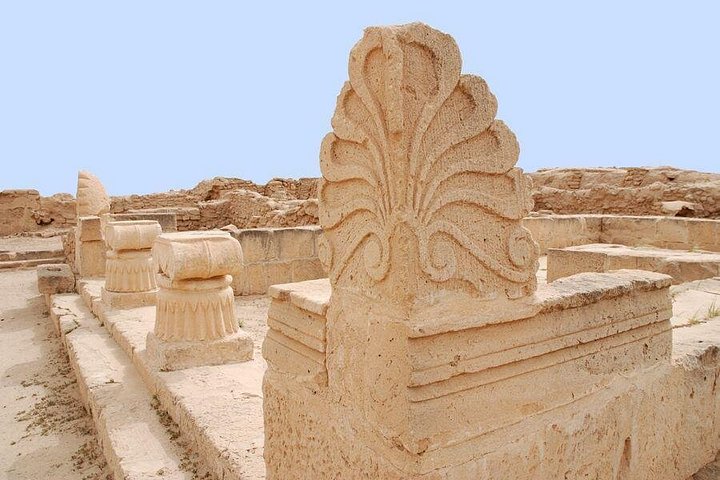
DoFailaka Island Full Day Tour from Kuwait City
A full day on Kuwait's best-known island, with ancient ruins, a heritage village and quiet beaches across the water from the city. A guided way to see a very different side of the country.
 Do
Border Farms and Desert Tour from Kuwait City
A drive north from the city to the green farms and open desert near the border, showing the rural, agricultural side of Kuwait that most visitors never see.
The Scientific Center and Aquarium
A waterfront science museum and large aquarium on the Salmiya shore, built in the shape of a dhow sail, with hands-on exhibits and a fish tunnel that keeps children absorbed for hours.
 Do
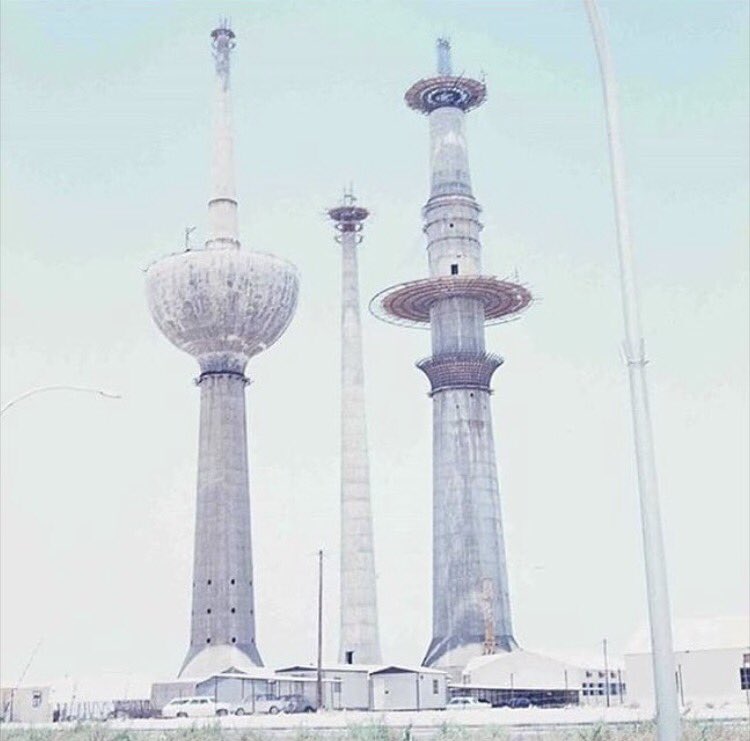
Kuwait Towers
The three slender spires and blue-mosaic spheres on the Gulf shore that define the Kuwait City skyline. Go at sunset, when the main tower's sphere catches the light and the waterfront fills with families.
Hilton Kuwait Resort
A beachfront resort on the Gulf south of the city, with private beach, pools, water sports and a choice of restaurants, ideal for a few relaxed days alongside the sightseeing.
Jumeirah Messilah Beach Hotel and Spa
A beachfront hotel and spa on the Messilah shore, with sea-view rooms, a long waterfront, several restaurants and a calm, resort-style atmosphere away from the city centre.