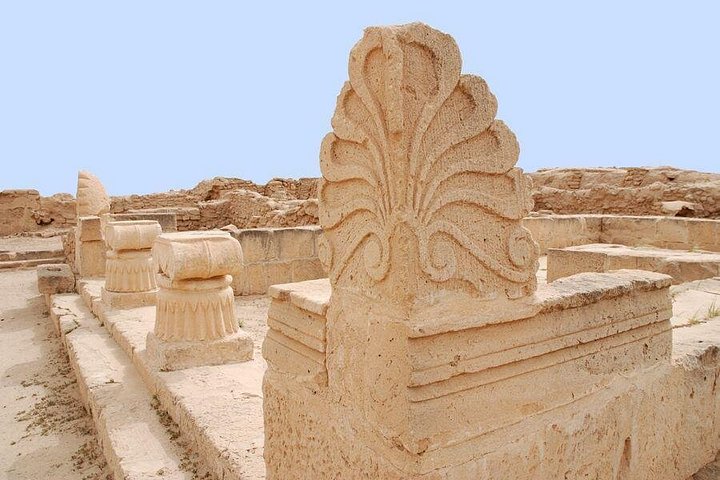
Kuwait City is the base for almost every excursion in the country, since the country is small and the distances are modest. The two day trips most visitors choose are Failaka Island and the desert, and they offer very different experiences. Both are easiest with a guide or a driver, because access, permits and logistics can be awkward for visitors on their own.\n\nFailaka Island. Failaka lies in the Gulf a short crossing from the mainland, and it has been settled since the Bronze Age. Archaeologists have found remains linked to Dilmun and to a Greek settlement from the time of Alexander's successors, and the island also has a village abandoned during the conflicts of 1990 to 1991, with empty houses that stand as a quiet memorial. Add beaches, calm shallows and a slower pace than the city, and you have a day with real variety. A guided full-day tour handles the crossing, the permissions and the route, and gives context that is hard to get alone. Plan on an early start and a late return, with several hours on the island.\n\nPractical points: bring your passport or a copy, as it can be requested for the crossing; pack sunscreen, a hat, water and snacks, since food options on the island are limited; wear comfortable shoes and modest clothing; and carry some cash. Spring and autumn are the best seasons, winter can be breezy and choppy, and summer is very hot. Check the return time and be at the pier early, since there are few alternatives for getting back. Photography is welcome at the sites, but ask before photographing residents.\n\nThe desert and the border farms. Kuwait's desert begins just beyond the city ring roads. A half-day or full-day tour north to the border farms shows an agricultural belt where irrigation turns sand into fields and greenhouses, followed by open desert with big skies. After rain, the desert can turn green, and in winter and spring the light is superb. Tours generally include stops for photographs and tea, and a guide explains the geography and the Bedouin heritage. For adventure, some operators offer quad biking and dune driving, though these are separate trips. Camping is a popular winter activity among residents, and a good guide can advise on how to join one.\n\nPractical points: wear closed shoes, bring a scarf for dust and sun, carry water and avoid the middle of the day in summer. Follow the guide on restricted areas, particularly near borders. Keep valuables out of the sun and take a lens cloth if you photograph.\n\nCombining city and desert. If you only have one day, a full-day city and desert tour combines the towers, the souq and a drive into the sands, with hotel pick-up and drop-off. It is more of a sightseeing day than an adventure, but it gives a good taste of both. For a more relaxed pace, add a night at one of the beach resorts and do your excursion on a morning.\n\nGuided or independent. Independent travel is possible, but it needs planning. Ferry schedules and permits for Failaka change, taxis to the desert require negotiation, and some areas are restricted. A guided tour costs more but removes uncertainty, which is why most visitors prefer it. Private tours add flexibility for photographers and small groups, while shared tours keep costs down.\n\nSeasons and weather. Choose spring, autumn or winter. Summer excursions should be short and early. Check the forecast for dust and wind, which can affect the sea crossing and the desert alike.\n\nWhat to book first. Book Failaka first, because it depends on ferry capacity and tends to sell out at weekends. Then choose a desert trip for your last day, or the day with the best forecast. Confirm pickups, inclusions and cancellation terms, and ask about gratuity.\n\nPacking list. For either trip, bring a refillable water bottle, sun protection, a hat or scarf, closed shoes, a light layer, a power bank for your phone, small notes of Kuwaiti dinar and your passport or a copy. A small first-aid kit with blister plasters and rehydration salts is worth carrying, particularly in the warmer months. Leave valuables at the hotel, and tell the front desk when you expect to be back.\n\nA suggested sequence. Spend your first two days in the city, learn the layout and the customs, then take Failaka on a weekday and the desert on a weekend morning. That rhythm keeps travel days manageable and gives you something to look forward to.
Kuwait City guide
Day Trips from Kuwait City
How to plan Failaka Island and desert day trips from Kuwait City, what each offers, the best seasons, and how guided tours compare with going alone.
Mentioned in this guide
DoFailaka Island Full Day Tour from Kuwait City
A full day on Kuwait's best-known island, with ancient ruins, a heritage village and quiet beaches across the water from the city. A guided way to see a very different side of the country.
 Do
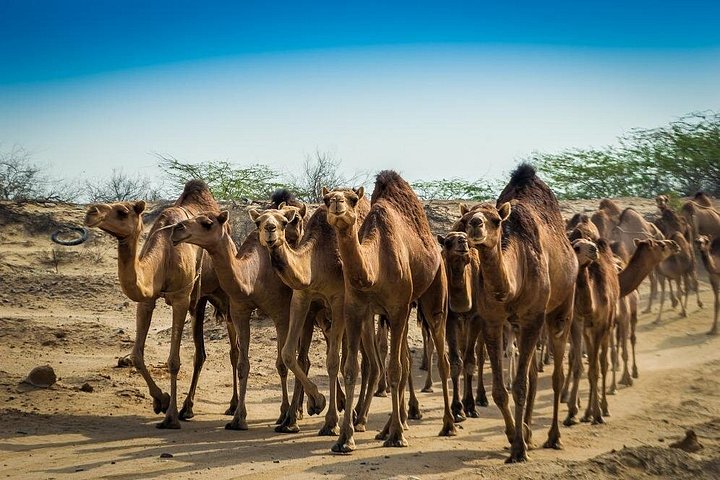
Border Farms and Desert Tour from Kuwait City
A drive north from the city to the green farms and open desert near the border, showing the rural, agricultural side of Kuwait that most visitors never see.
 Do
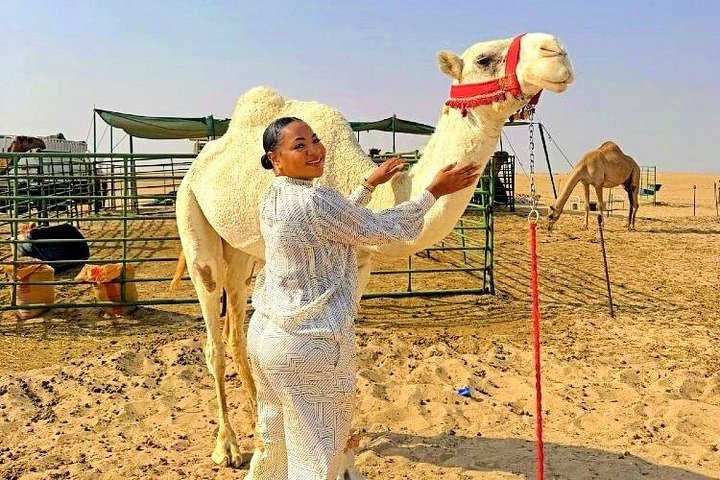
Full Day Kuwait City and Desert Tour with Pick-Up
One long day that pairs the city's towers and souq with a drive into the open desert, with hotel pick-up and drop-off, so you see both sides of Kuwait without arranging anything.
Hilton Kuwait Resort
A beachfront resort on the Gulf south of the city, with private beach, pools, water sports and a choice of restaurants, ideal for a few relaxed days alongside the sightseeing.
Jumeirah Messilah Beach Hotel and Spa
A beachfront hotel and spa on the Messilah shore, with sea-view rooms, a long waterfront, several restaurants and a calm, resort-style atmosphere away from the city centre.