Kuwait is an easy country to enjoy once you know a few basics. It is wealthy, modern and hospitable, but it is also conservative, car-dependent and quite different from the better-known tourist destinations in the Gulf. This guide covers the practical points that make a first visit smoother.\n\nBefore you go. Entry requirements depend on your nationality and change from time to time, so check the current rules for visas and passport validity well before you travel. Carry a copy of your passport and keep the original safe, since you may be asked for identification at hotels, for tours and for the Failaka crossing. Consider travel insurance that covers medical care. Pack for heat, for air conditioning and for modest dress.\n\nDress and behaviour. Dress is conservative in public. For both men and women, covering shoulders and knees is the safe rule, with loose, lightweight fabrics that are comfortable in the heat. Women do not need to cover their hair in general, but should carry a scarf for mosque visits. Swimwear is for pools and private beaches only. Public displays of affection are discouraged. Always ask before photographing people, especially women, and avoid photographing government buildings, security staff and military areas. Be polite when greeting: a handshake is common between people of the same gender, and a hand on the heart is a respectful greeting when you are unsure.\n\nAlcohol and food. Alcohol is not sold or served in Kuwait, and bringing it in is prohibited. Hotels and restaurants offer excellent non-alcoholic drinks. Food is halal, and pork is not served. During Ramadan, avoid eating, drinking and smoking in public during daylight hours.\n\nWeekends and hours. The weekend is Friday and Saturday. Friday is quiet in the morning, with prayers at midday, and many places open late in the afternoon. Shops often close for a long break in the early afternoon and reopen in the evening, which is when the city is liveliest. Check opening hours for museums and mosques before you go, since they differ and some close on specific days.\n\nMoney. The Kuwaiti dinar is one of the highest-valued currencies in the world, so small amounts go a long way. Cards are widely accepted in hotels, malls and most restaurants, but carry cash for the souq, taxis and tips. ATMs are common. Tipping is customary but modest in restaurants if service is not included, and for guides and drivers.\n\nGetting around. Kuwait City is built around highways and cars. Public transport is limited for visitors, so taxis, ride-hailing apps and hotel drivers are the main options. Ride-hailing is convenient and prices are shown in advance. For full-day sightseeing, many visitors hire a driver or take a guided tour, which also solves the problem of parking and navigation. Traffic is heavy at rush hours, so allow extra time for airport trips. If you plan to drive yourself, check licence requirements and be prepared for a fast, busy driving culture.\n\nConnectivity. Mobile coverage is good, and visitors can buy a local SIM or an eSIM before arriving. Wi-Fi is standard in hotels and malls. Messaging apps are widely used for contact with tour operators and drivers.\n\nBooking tours and hotels. Book popular tours such as Failaka Island ahead of time, since they depend on capacity and weather. Guided city tours are an efficient way to start, giving context and removing logistical stress. Read the inclusions, pickup arrangements and cancellation terms. For hotels, compare downtown, Salmiya and beach options based on what you plan to do, and ask about airport transfers and early check-in for night arrivals.\n\nEtiquette in conversation. Kuwaitis are hospitable and enjoy conversation about food, family and travel. Accept coffee or tea when it is offered, and take a date if you can. Avoid sensitive political topics unless the other person raises them, and speak respectfully about religion and the ruling family. Learn a few Arabic phrases: salam alaykum for hello, shukran for thank you, and inshallah for hoping something happens, which you will hear constantly.\n\nHealth and safety basics. Drink plenty of water, wear sun protection, and avoid the middle of the day in summer. Tap water is treated, but many visitors prefer bottled water. Pharmacies are common, and hotels can direct you to clinics. Follow the guidance of your own government's travel advice for the latest information before you go.\n\nMaking the most of it. Take a guided half day early in the trip, then return to the places you liked. Spend an evening in the souq, visit a museum in the heat of the day, and take a day trip to Failaka or the desert. Kuwait rewards curiosity and patience, and its quieter, less commercial character is part of its charm.
Kuwait City guide
First Time in Kuwait
Practical advice for first-time visitors to Kuwait: dress, customs, weekends, money, transport, connectivity and how to book tours and hotels.
Mentioned in this guide
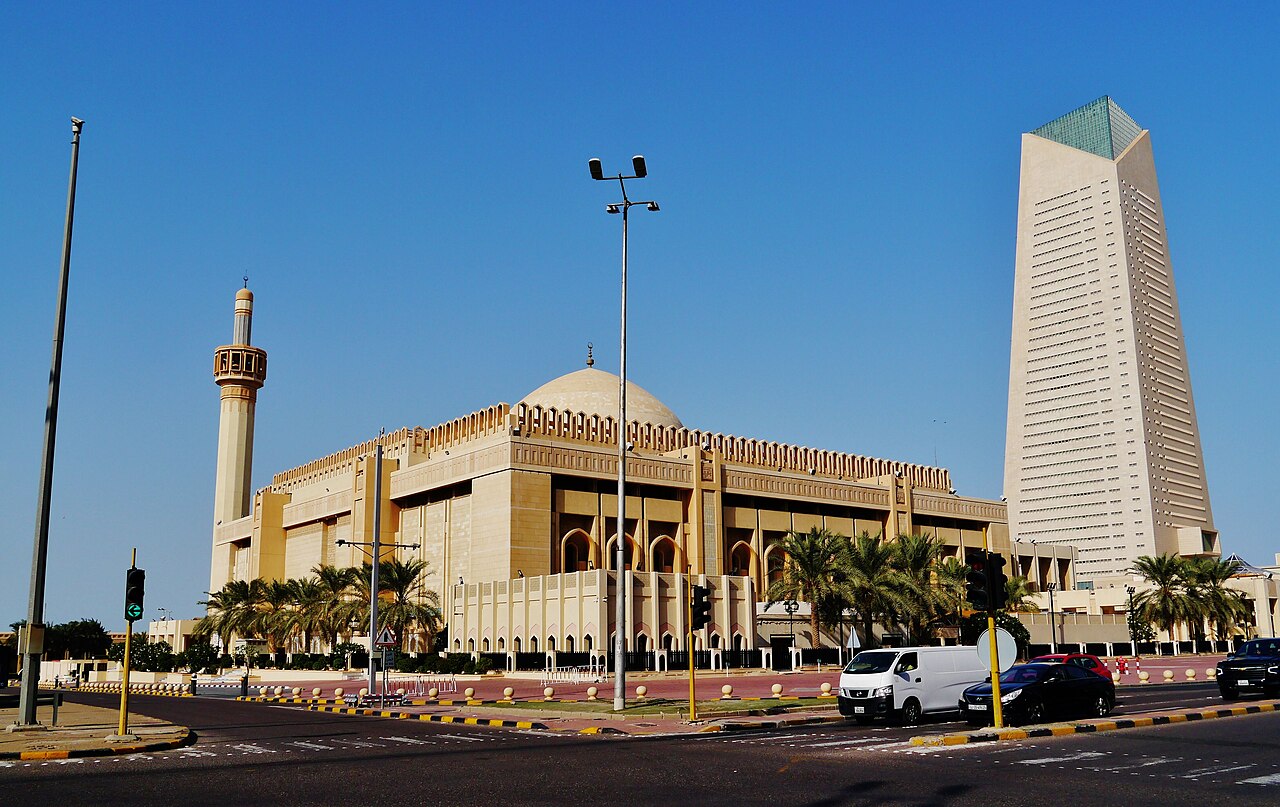
DoGrand Mosque of Kuwait
The country's largest mosque, with a great central dome, a tall minaret and a hall of carved wood and tilework. Non-Muslim visitors are welcome at set times with modest dress.
 Do
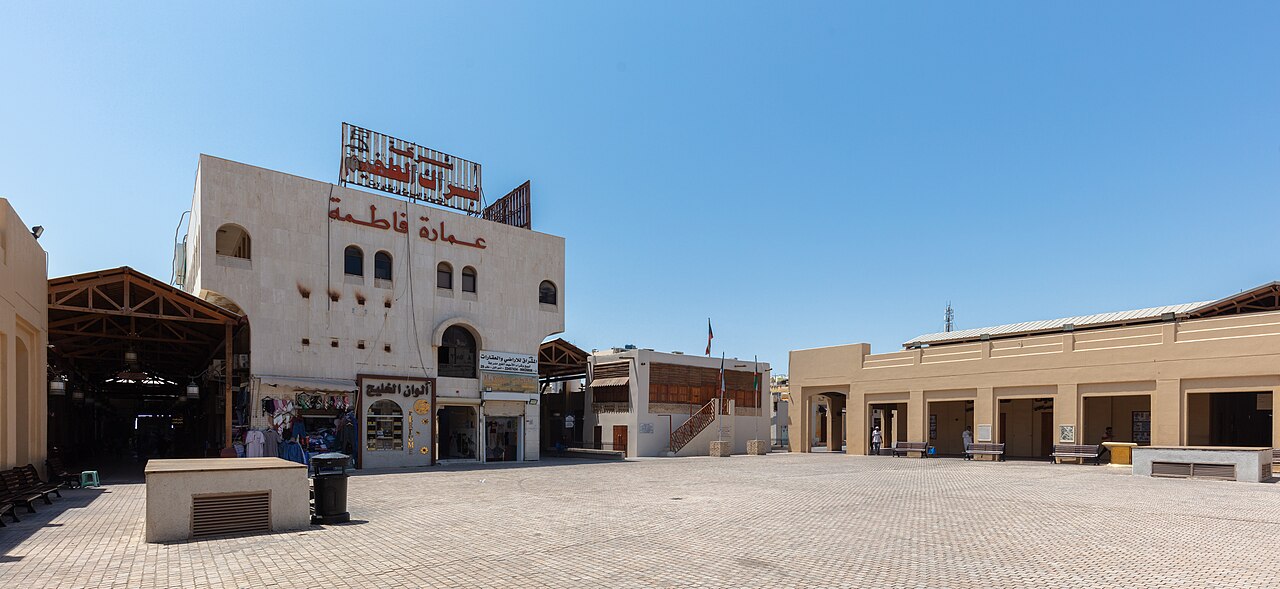
Souq Al-Mubarakiya
Kuwait's oldest traditional market, a maze of covered lanes selling spices, oud, dates and textiles, with grills, tea houses and fish stalls that stay busy long after dark.
 Do
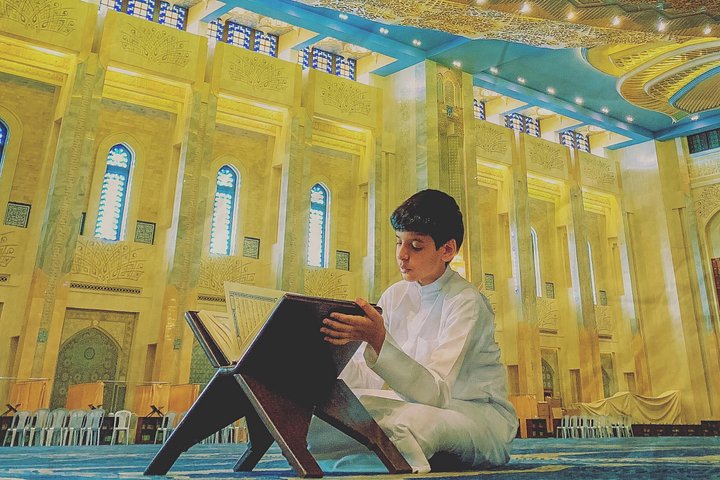
Full Day Kuwait City Tour
A full day touring the capital's essentials in one go, with the main landmarks, a market and museum stops, led by a guide who handles the driving, the timing and the explanations.
 Do
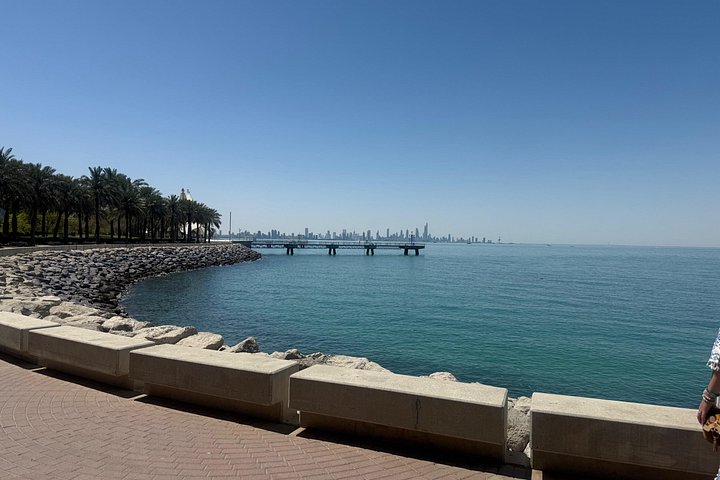
Kuwait City Highlights Tour: Traditions to Modern Marvels
A guided tour that moves from the old souq and heritage sites to the towers, malls and skyline, showing how Kuwait City links its traditions with its modern ambitions.
Courtyard by Marriott Kuwait City
A dependable mid-range city hotel with comfortable rooms, a restaurant and a gym, ideal for travellers who want a good base without the price of a luxury address.
Four Points by Sheraton Kuwait
A straightforward mid-range stay with comfortable rooms, a restaurant and a pool, suited to travellers who want clean, simple and well located rather than lavish.
Sheraton Kuwait, a Luxury Collection Hotel
A long-established downtown address in the Luxury Collection family, with large rooms, several restaurants and a pool, close to the waterfront and the business district.