Kuwaiti food is the cooking of a Gulf trading port: rice, fish and lamb, spiced with cardamom, saffron, turmeric and dried limes, and shaped by contact with Persia, India and the wider Arab world. It is also a country where eating out is a central social activity, so the range of restaurants in the city is wide, from small grills in the souq to international hotel dining rooms. Alcohol is not served anywhere, so the drinks list is about coffee, tea, juices and non-alcoholic cocktails.\n\nThe dishes to know. Machboos is the national classic: spiced rice cooked with chicken, lamb or fish, often with dried lime and a tomato-based sauce on the side. Murabyan is a similar dish made with shrimp. Jireesh is a porridge of cracked wheat and meat, especially popular in winter and Ramadan. Harees is a slow-cooked dish of wheat and meat. Grilled fish, particularly hammour and zubaidi, is a staple on the coast, often served with rice. Samboosa, small fried pastries stuffed with cheese or meat, are a common snack, and fresh flatbread from local bakeries is eaten with everything. Dates, in endless varieties, appear at every gathering, and Arabic coffee, lightly spiced with cardamom, is poured in small cups.\n\nWhere to eat. The best place to start is Souq Al-Mubarakiya, where small restaurants and grills serve traditional dishes in a lively atmosphere. Come in the evening, when families fill the tables, and order a mix of grilled meat, rice and bread. Along the waterfront and in Salmiya you will find seafood restaurants, Lebanese and Syrian grills, Indian and Pakistani kitchens, Italian and Asian options. Hotels serve strong buffets, particularly at breakfast, and their restaurants are a safe choice for first-time visitors. Cafes serve coffee, shisha in some areas, pastries and light meals through the evening, and are a pleasant place to pass time.\n\nSweets and breakfast. Kuwaiti sweets include halwa, luqaimat (small fried dough balls with syrup), and date-based pastries. Breakfast is often foul (fava beans), eggs, cheese, olives and fresh bread with tea. Karak, the strong spiced milk tea popular across the Gulf, is sold at counters throughout the city and makes an inexpensive pick-me-up.\n\nHow meals work. Lunch is the main meal for many residents and tends to be late, while dinner can start after nine in the evening. Sharing is common: dishes arrive on large platters, and you are encouraged to take what you like. Eat with your right hand if you are using your hands, and accept coffee or tea when it is offered. Tipping is customary in restaurants if service is not included. Friday is a family day, and restaurants can be busy at lunch.\n\nRamadan. During the holy month, eating, drinking and smoking in public during daylight hours is restricted, and many restaurants open only after sunset. Iftar, the meal that breaks the fast, is a social highlight, with large spreads in hotels and restaurants. Visitors are welcome to join, and it is a memorable way to see the city. Book ahead and expect a festive, busy atmosphere. Check opening times for attractions, which can change.\n\nDietary needs. Vegetarian options are available, especially in Lebanese and Indian restaurants, with dishes such as hummus, falafel, lentil soup and vegetable curries. Halal is the norm, and pork is not served. If you have allergies, say so clearly and ask what each dish contains, since nuts and sesame are common in desserts and dips.\n\nA food tour as shortcut. If you want to cover the highlights in a few hours, a guided food tour takes you to places you might not find alone, explains the dishes and helps with etiquette. It is especially useful on the first day, when you want a shortlist of places to return to.\n\nOrdering tips. Do not be shy about ordering several dishes to share; a typical table might hold a platter of rice with meat or fish, a grilled starter, a salad, hummus and bread. Ask for the dish of the day, which is often the freshest, and request sauces on the side if you prefer less spice. Water is brought to the table, and sweet tea or coffee finishes the meal. If you are invited to a Kuwaiti home, bring dates, sweets or flowers, and expect generous portions and repeated offers of more.\n\nA simple plan. Start the day with karak and a flatbread breakfast, have a late lunch of machboos or grilled fish, take coffee and dates in the afternoon, and finish with a souq dinner of grills and sweets. Along the way, ask staff for recommendations; hospitality is a point of pride, and people love to talk about their food.
Kuwait City guide
Eating in Kuwait City
A guide to Kuwaiti dishes, where to eat them, how meals work, what to expect during Ramadan and how a food tour can help.
Mentioned in this guide
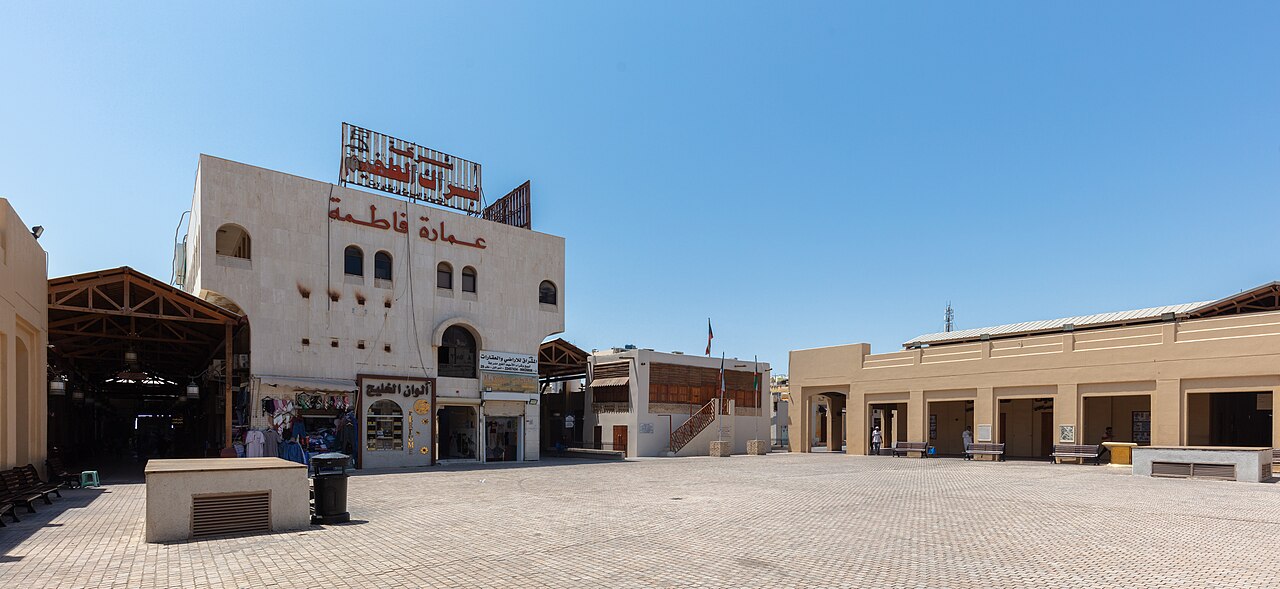
DoSouq Al-Mubarakiya
Kuwait's oldest traditional market, a maze of covered lanes selling spices, oud, dates and textiles, with grills, tea houses and fish stalls that stay busy long after dark.
 Do
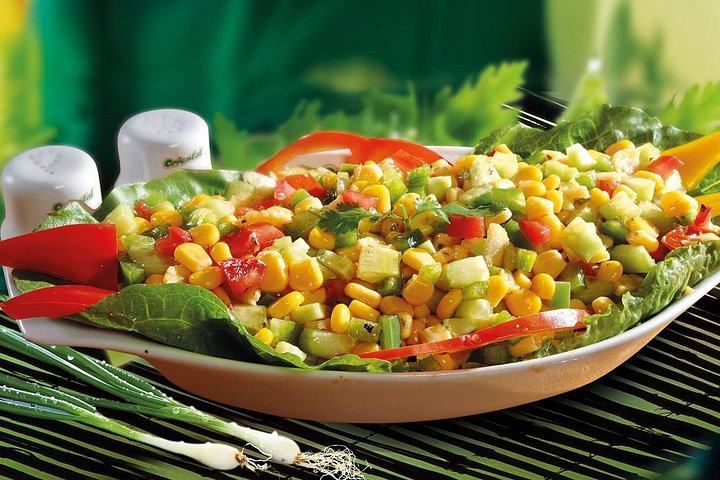
Kuwait Local Foodie Adventure
A guided tasting outing through Kuwaiti food, with traditional dishes, sweets and coffee, and a local host who explains what you are eating and why.
 Do
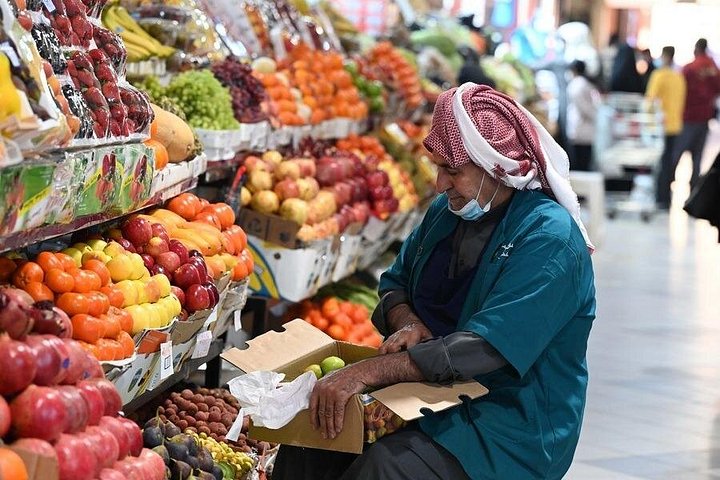
Heritage Souq and Modern Malls Tour
A guided contrast between the old lanes of the traditional souq and the polished malls where much of modern Kuwaiti social life takes place, with shopping tips from a guide.
Radisson Blu Hotel Kuwait
A well-regarded international hotel with stylish rooms, multiple restaurants and a pool and gym, a balanced choice between mid-range and luxury.
Sheraton Kuwait, a Luxury Collection Hotel
A long-established downtown address in the Luxury Collection family, with large rooms, several restaurants and a pool, close to the waterfront and the business district.