Lake Atitlán sits at about 1,500 meters in Guatemala's highlands, which gives it a mild climate all year, with warm days, cool evenings and a clear split between a dry and a rainy season. There is no bad time to visit, but the season changes what you see, what you can book and how you plan each day. This guide explains the main patterns so you can choose your dates with confidence.
The dry season: November to April
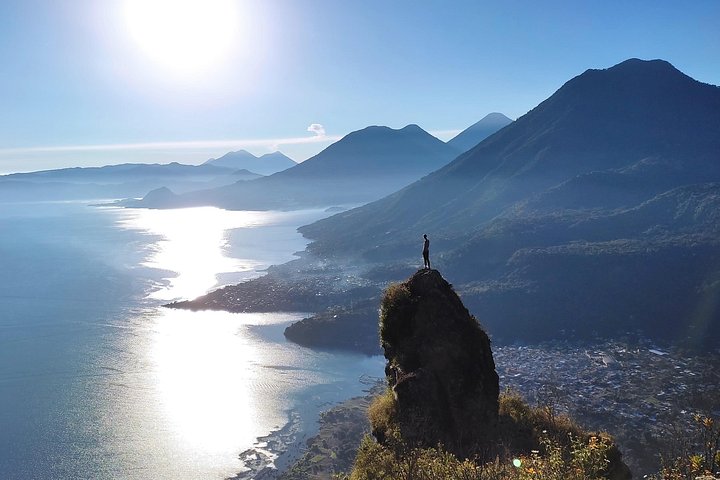
The dry season is the most popular time to visit, and for good reason. Mornings are usually clear, the volcanoes stand out against blue skies, and the sunrise from the Indian Nose has its best odds of a clear view. Hiking, kayaking and boat days are all at their most comfortable. Nights can be chilly, especially in December and January, so bring a warm layer and ask your hotel about heating or extra blankets. Because this is the peak period, popular hotels and sunrise hikes are more likely to be booked in advance, and prices in general are higher. If you have flexible dates, the shoulder weeks at the start of November and the end of April are often quieter.
The rainy season: May to October
The rainy season is greener and quieter. Mornings are often bright, with showers and storms building in the afternoon, so the practical rule is to do your outdoor plans early and keep afternoons flexible for a cafe, a cooking class or a weaving visit. The hillsides are lush, the lake can be calm in the morning and the crowds thin out, which makes it a good choice for travelers who prefer a slower pace. Trails can be muddy and slippery, particularly on volcano climbs, and cloud can hide the summit views, so expect a lower chance of a perfect sunrise. Pack a waterproof jacket, shoes with grip and a dry bag for electronics. Some days will be washed out, so build in a spare day if you have a fixed plan.
The afternoon wind
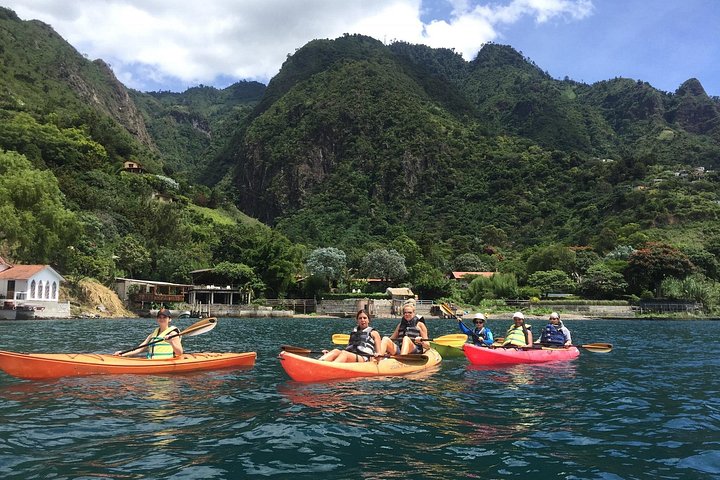
At any time of year, the lake has a pattern of calm mornings and windier afternoons. Locals refer to a strong afternoon wind called the xocomil, and in practice it means the water can turn choppy after midday. Boats still run, but the crossing can be bumpy, and kayaking is best early. Plan paddling, swimming and long boat crossings for the morning, and save village walks, markets and lunches for the afternoon. If you are catching a shuttle or a flight, avoid scheduling a long boat ride just before your departure.
Busy periods
The lake is busiest around the main holiday periods, including Holy Week in March or April and the end-of-year holidays, when Guatemalan families travel as well as international visitors. Book hotels and sunrise hikes well ahead for these weeks, expect fuller boats and plan a little extra time on the road from Guatemala City. The villages also hold patron-saint festivals through the year, with processions, music and fireworks that can be wonderful to see and noisy to sleep through, so ask your hotel whether anything is planned during your stay.
Market days
The Chichicastenango market runs on Thursdays and Sundays throughout the year, and the best experience is an early start. It is a road trip of roughly six to seven hours round trip from Panajachel, so build it into a day with nothing else planned. If you are choosing between a Thursday and a Sunday, the Sunday market tends to be the busier and more colorful of the two, while Thursday can be a little easier to move through. Panajachel and the other lake towns also have their own smaller market days, so ask locally.
Choosing your dates
If your priority is a clear sunrise and the most reliable hiking, aim for the dry season, roughly November through March. If you want green hillsides, fewer people and a flexible pace, the rainy months can be rewarding, as long as you plan outdoor activities for the morning. If your trip is built around a volcano summit, schedule it for the driest part of the year and keep a buffer day in case of weather.
Packing for any season
Layers matter more than anything else. Bring a warm sweater, a rain jacket, sun protection and shoes with grip. Evenings are cool even in the dry season, so a fleece or light down jacket is useful. Carry small bills for boats and markets, and keep electronics in a dry bag if you plan to be on the water.