Food at Lake Atitlán ranges from market comedores serving home-style Guatemalan plates to cafes catering to a mix of travelers and long-stay residents. The lake's villages each have a different feel, and so does the eating in each. This guide covers the dishes to look for, the places where coffee and cooking come into the story and how to eat well in each base.
Dishes to try
Guatemalan highland cooking is built around corn, beans and chile, and a plate often arrives with fresh tortillas, black beans and rice. Look for pepián, a rich stew of meat thickened with roasted seeds and spices, and for kak'ik, a spiced turkey soup of Maya origin. Hilachas, a shredded-beef stew in a tomato sauce, and chiles rellenos are also common in family restaurants. Tamales are a staple, often wrapped in banana leaf or corn husk, and breakfast typically features eggs, beans, plantains and tortillas. Fresh fruit, licuados and strong coffee are easy to find. Ask what the dish of the day is, since a set lunch is often the best value in a village.
Coffee
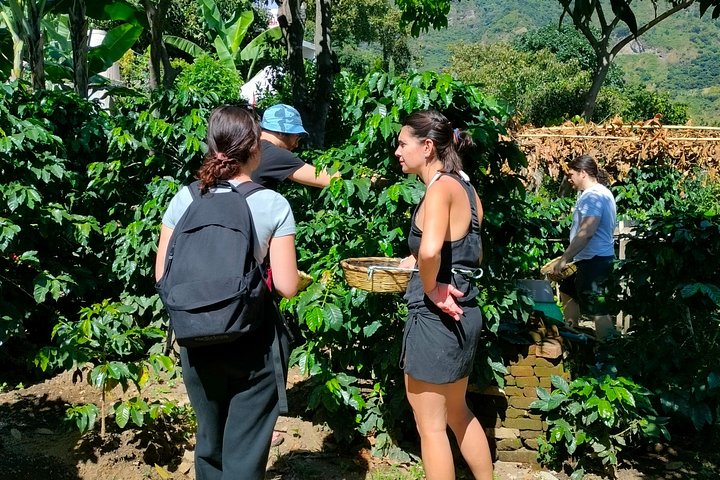
Coffee is grown on the slopes around the lake, and the village of San Juan La Laguna is the best place to see the process. Cooperatives and small farms offer walking tours that follow the beans from the plant to the cup, with a tasting at the end. The San Juan La Laguna coffee and weaving tour is a short, easy way to combine the two, and several operators add cacao and chocolate to the stop. In every town, look for small roasters and cafes that sell beans by weight, which make a light, useful gift.
Cooking with a local family
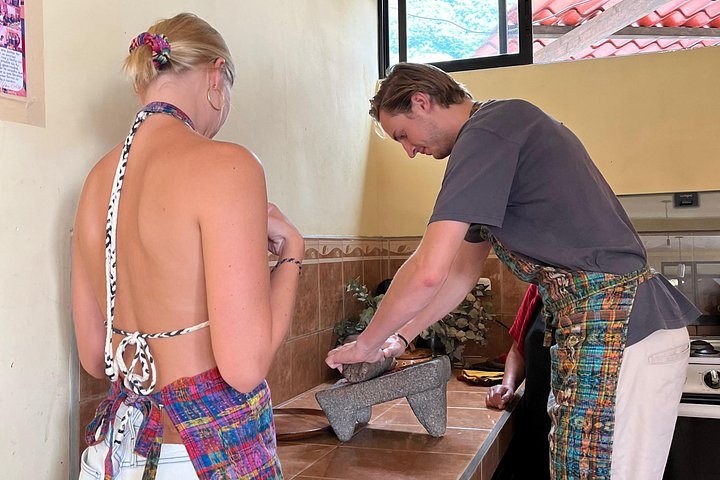
If you want to understand the food rather than just eat it, the Maya cooking class in Santa Cruz La Laguna is a hands-on option. You prepare traditional dishes with a local cook, often beginning with a visit to ingredients and ending with a shared meal. It suits couples, families and solo travelers who like to cook, and it pairs well with a walk along the footpaths or a stay at one of the quiet hotels on the northern shore. Tell the operator about any dietary needs when you reserve.
Eating in Panajachel
Panajachel has the widest choice of restaurants on the lake, from simple local places to international kitchens, plus bakeries and cafes along Calle Santander. It is the easiest place to find a table at any hour, and the best place for a first night or a last meal. Hotels such as Hotel Atitlán and Posada de Don Rodrigo have their own restaurants and bars, which is handy after a long day on the water.
Eating in San Pedro and San Marcos
San Pedro La Laguna is the budget center, with inexpensive set meals, hearty breakfasts and plenty of casual spots near the dock and in the upper town. Many serve hikers who need an early meal before the Indian Nose or a volcano climb. San Marcos La Laguna is known for its wellness scene, and its cafes and restaurants lean toward vegetarian, vegan and health-focused menus. Laguna Lodge Eco-Resort in Santa Cruz also has a vegetarian restaurant, which is a good option for plant-based travelers.
Drinks
Guatemalan beer is widely available and easy to find at lakeside bars. Fresh juices and licuados are common, and most restaurants offer hot chocolate and herbal teas. As a general rule for travelers, drink bottled or purified water, ask whether ice is made from purified water and be cautious with raw salads and unpeeled fruit if you have a sensitive stomach. Busy places with a steady turnover are usually a safe choice.
Practical tips
Carry small bills, since many small places do not take cards or cannot change large notes. Meals in villages can be slow, so allow time and enjoy it. Many restaurants close earlier than in big cities, especially in the quieter villages. Vegetarians will find it easy in Panajachel and San Marcos and harder in small-town comedores, where it is worth asking for beans, eggs and vegetables. Book the cooking class and the coffee tour a day ahead, and plan a long lunch after a morning hike. If you are traveling in a group, ask the restaurant to bring dishes to share, which is a good way to try several local plates in one sitting.