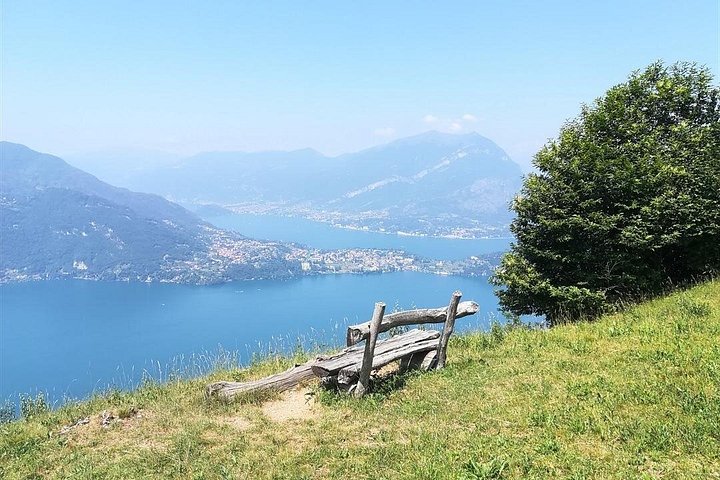
Lake Como is shaped like an upside-down Y, and that shape explains almost everything about how you get around it. The three arms meet at Bellagio, the towns on the shores are linked by a winding coastal road, and the quickest way to cross from one side to the other is nearly always by water. A car is more of a burden than a help in summer, because lakeside roads are narrow, parking is scarce and the ferries are more relaxing. This guide explains how the public network fits together so you can plan days that flow.
The ferry network
The lake's public boats run between the main towns, with a mix of slower ferries that carry cars and faster hydrofoils and boats that carry only passengers. The network is dense on the central lake, where Bellagio, Varenna, Menaggio, Cadenabbia and Tremezzo are connected by frequent short crossings, and sparser at the northern and southern ends. Timetables change by season, and winter services are reduced, so check the operator's timetable for your date before building a plan around a particular sailing. Buy tickets at the landing or machine before boarding where required, and keep them until the end of the trip, because inspections happen.
Single tickets and day tickets
For one or two crossings, single tickets are the simplest option. If you plan to hop between several towns on the central lake in one day, a day ticket for the central zone is usually better value, and it removes the stress of queueing at each landing. Work out your plan first and count the crossings before you buy. Remember that fast boats may cost more than slow ferries on the same route, and that some tickets are only valid on certain boats.
Buses
Along the western shore, regular buses connect Como, Cernobbio, Tremezzo, Menaggio and Colico, and they are the cheapest way to cover short distances. The road is winding, buses can be crowded in summer and drivers will not wait, so be at the stop early. On the eastern shore, buses link Lecco, Bellano and Varenna but the train is faster. Local buses are a useful complement to the ferries, for example when you want to reach Lenno for Villa del Balbianello or walk from Menaggio into the hills.
Trains
The railway runs along the eastern shore between Lecco and Colico and stops at Varenna, so a train is the simplest way to reach the east side from Milan. Como has two stations in different parts of town, one on the national network and one run by a regional operator, and visitors often confuse them, so check which station your train uses before you leave. Trains from Milan to Como and Lecco are frequent and a good way to start the day. From the station, Como's ferry landing is a short walk.
Walking
Some of the best connections on the lake are on foot. In Varenna, the Lovers' Walk links the village to the villas along the shore. Between Tremezzo and Lenno, an old greenway follows the water and leads to the Villa del Balbianello headland. The Sentiero del Viandante follows the eastern shore on an old route from Lierna to Varenna and beyond. Walking is not only transport but one of the pleasures of the lake, so leave time for it.
Taxi boats and water taxis
Where no public boat serves a place, private taxi boats can fill the gap, for example to reach Villa del Balbianello from Lenno. They cost more than public transport and are best used for a short, specific hop. Agree the price before you board and confirm the pickup point for the return.
Driving
If you must drive, plan for narrow roads, one-way sections and limited traffic zones in the old towns. Parking near the lakefront is limited and fills early in summer. Consider parking in a larger lot on the edge of a town and taking a bus or boat for the rest. Car ferries across the central lake can save a long drive, but queues build up on summer weekends.
Sample loop
A satisfying day is to take the morning train from Milan to Varenna, walk the village and its villas, ferry across to Bellagio for lunch, continue to Menaggio or Tremezzo for an afternoon garden or hike, and take the bus or ferry back to Como for the train home. Each leg is short, and the shifts between train, boat and bus become part of the experience. Make sure you know the time of the last boat and the last train, because missing them is the main risk of a day trip.
Planning tips
Check the timetable the night before, because services change with the season and the weather can cancel boats in strong wind. Carry coins or a card for ticket machines, leave a margin for connections and keep luggage light. If you are staying a few nights, choose a base on a ferry line, which makes every day simpler. In winter, always check the reduced timetable and the closing days of the places you want to visit before you set out.