Lanzarote has one of the most even climates in Europe, and the island is a destination for all twelve months. The seasons differ less in temperature than in wind, swell, crowds and prices, so the best time depends on what you want to do. Here is how the year breaks down, with the sights and activities that suit each season.
Winter: warm days and a popular season
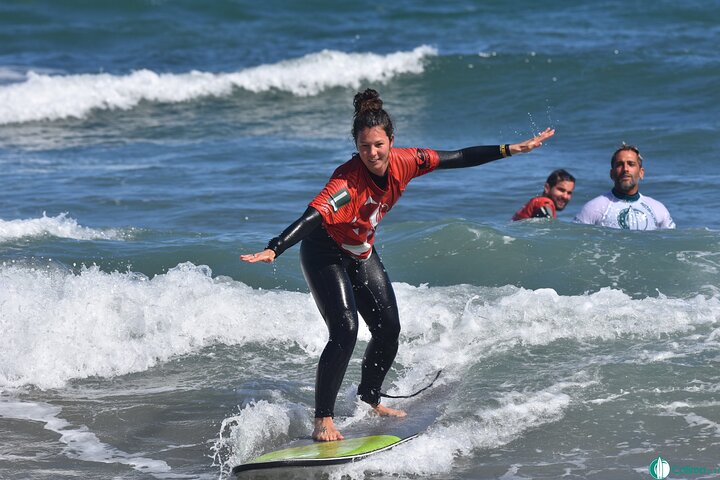
From roughly November to March, Lanzarote is a winter-sun destination for visitors from northern Europe. Days are mild and often sunny, evenings can be cool enough for a light jacket, and the sea is cool, so many swimmers prefer a heated hotel pool. Rain is rare and falls mostly in the winter months, usually in short spells. The island is busy, especially around Christmas and New Year, so book flights, hire cars and hotels early and reserve the fixed-slot sights such as Timanfaya and the Cueva de los Verdes ahead. Winter swells on the north coast mean good conditions for experienced surfers at Famara, while beginners should choose a school that picks the right spot for the day.
Spring: a good balance
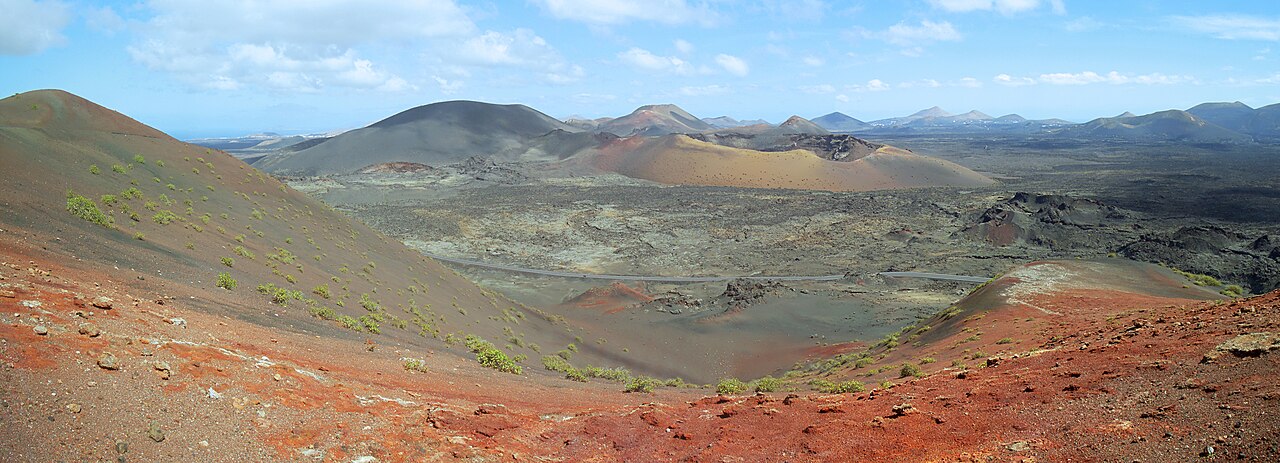
From about March to May, temperatures rise, the winds are often lighter and the crowds ease after the Easter period. Spring is a good time for walking, hiking in the volcanic landscape and visiting the north, because the air is clear and the light is soft. The Atlantic is still cool, but the beaches begin to feel inviting, and boat trips to Papagayo and La Graciosa run in more comfortable conditions. Easter itself is a busy holiday week, so book early if your dates overlap.
Summer: hot, dry and windy
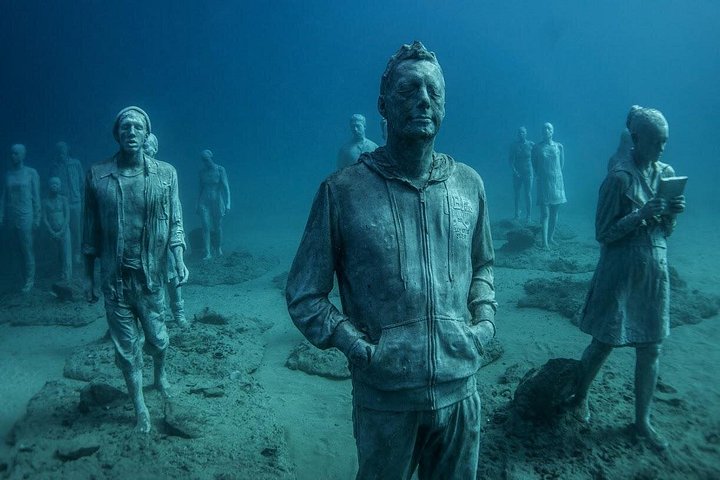
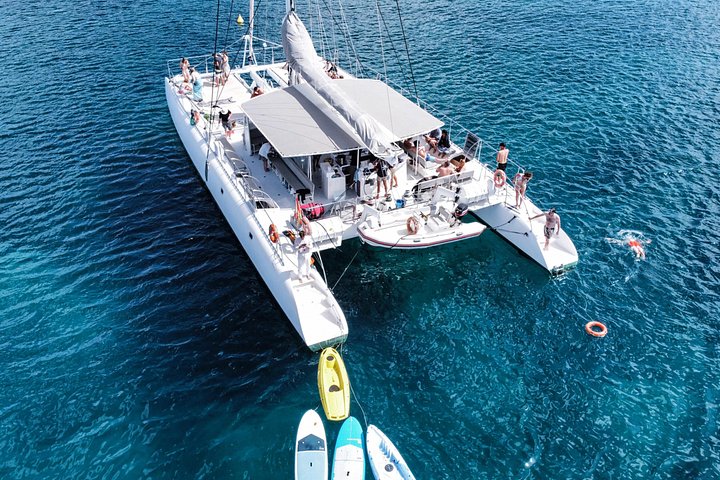
From roughly June to September, the island is dry and warm, with the sea at its warmest. Trade winds blow more steadily in summer, which keeps the heat tolerable and makes the north coast popular with windsurfers and kitesurfers, while sheltered beaches in the south stay pleasant. The sun is intense, so plan sightseeing for the morning, take a hat and plenty of water and keep midday for the pool. July and August are the school holiday peak, so resorts are lively and family hotels fill. Boat days and the Museo Atlántico dive are at their most comfortable in the warm months.
Autumn: warm sea and fewer people
From about September to early November, the sea is still warm from the summer, the days are sunny and the island is less crowded before the winter season begins. It is an excellent time for beaches, boat trips and snorkelling, and for travellers who want a quieter pace at the main sights. Showers become more likely towards the end of the season, though they are usually short.
Wind and haze
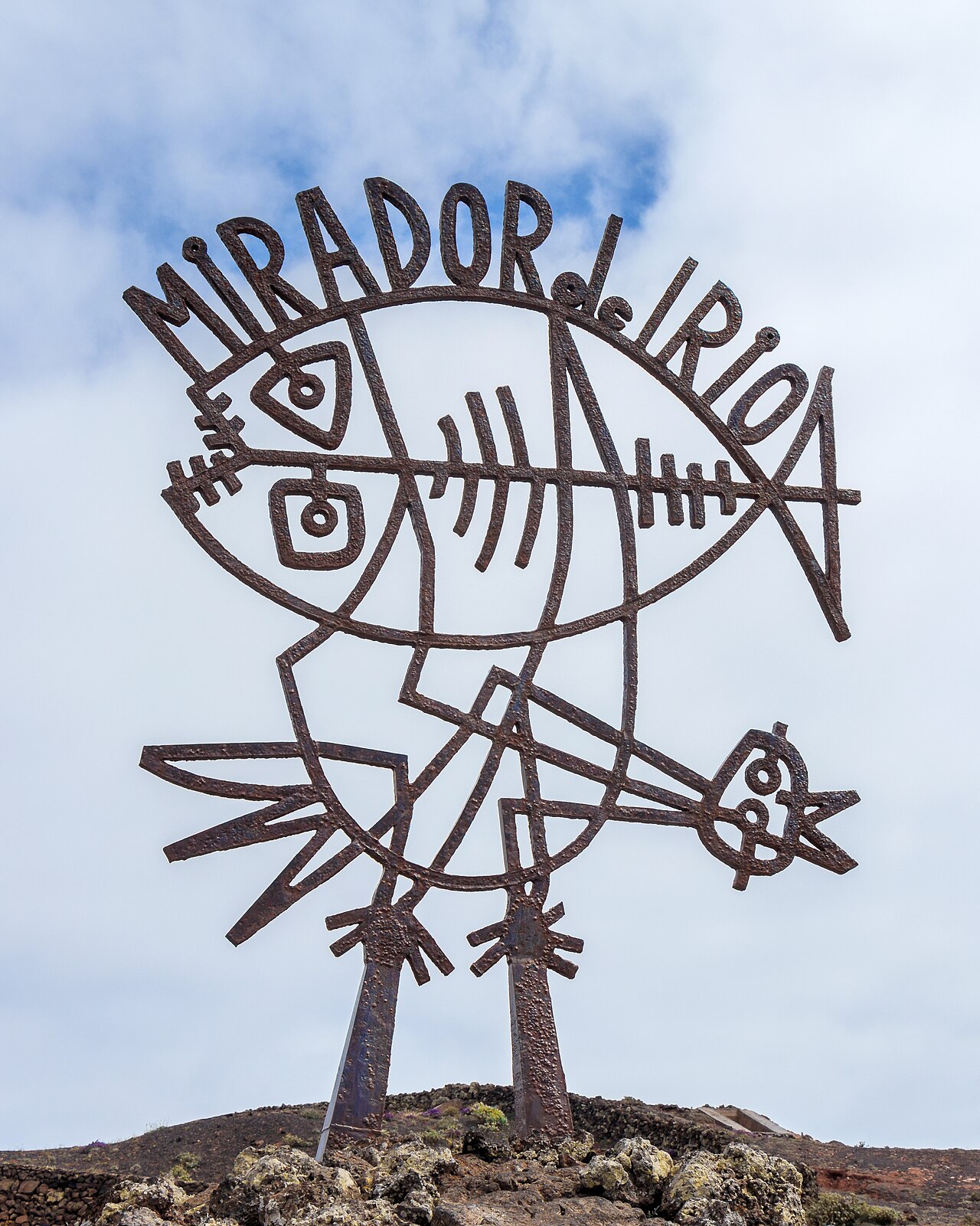
The wind is the island’s signature. It can make the clifftop at Mirador del Río feel cold even on a warm day, and strong gusts can cancel boat trips or delay water sports. Occasionally warm, dusty air from the Sahara drifts over the islands, reducing visibility for a day or two and making the sun hazy, so keep your schedule flexible. Always bring a light windproof layer.
Which season for what
For sun and swimming-pool weather in winter, choose the south, such as Playa Blanca. For hiking and a quieter pace, choose spring or autumn. For beaches and boats, summer and early autumn have the warmest sea. For surf, winter brings the biggest swells, and the Famara classes cater for beginners when conditions allow. For the Manrique sites and the national park, any season works, because they are open daily, but morning slots avoid both heat and crowds.
Packing and planning by season
In every season bring sun protection, a hat and a windproof layer, since the wind is steady and the sun is strong even on cloudy days. In winter add a light jacket for evenings and for the clifftops, and a towel and layer for boat days. In summer, plan the early morning for Timanfaya and the caves and keep afternoons for the beach, and carry more water than you expect to need. In spring and autumn, a mix of light clothes and a thin jacket covers most days. Sturdy shoes with grip are useful all year for lava paths and cave steps.
Booking and crowds
The busiest periods are the Christmas holidays, Easter and the summer school holidays, when hotels, cars and popular excursions fill early. In quieter months, you can often book boats and tours a day or two ahead. Timed tickets for Timanfaya and the Cueva de los Verdes are worth booking in advance in every season. Whatever month you choose, the island is compact, the sights are open daily, and a flexible plan that keeps one spare day for wind and weather will serve you well.