Lanzarote has almost no rain and very little soil, yet it feeds itself with some of the most inventive farming in Spain. The food and drink of the island are shaped by lava, wind and the Atlantic, and eating well here is as much a part of a visit as the volcanoes. This guide covers the dishes and drinks to look for, the places where they fit into a sightseeing day, and a few habits that make meals easier.
Wrinkled potatoes and mojo
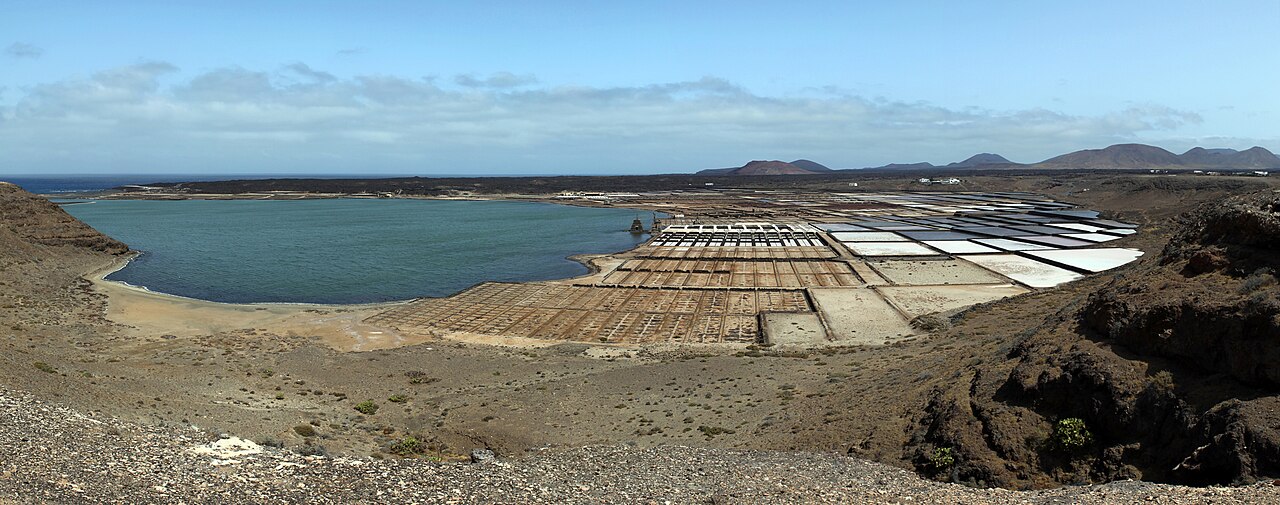
The signature side dish of the Canary Islands is papas arrugadas, small potatoes boiled in very salty water until the skins wrinkle and a fine crust of salt forms. They come with mojo, a sauce of oil, garlic and peppers, usually in a red version with a bit of spice and a green version made with herbs. Order them as a starter to share with almost anything. The idea of salt on the potato is easy to understand once you see the salt works of the south, because the salt of the island is part of the cooking.
Fish from the Atlantic
The coast gives Lanzarote an honest fish tradition, and the village of El Golfo, on the southwest coast, is known for its seafront restaurants. Order the fresh catch of the day, usually grilled or baked, and ask what is local, since the staff will tell you which fish came in that morning. Simple preparations, with a squeeze of lemon and a side of potatoes, are the best way to taste it. Prices vary a great deal between places, so look at the menu before you sit down.
Volcanic wine in La Geria
The island’s wines are the most surprising thing on the table. In the La Geria valley, vines are planted in individual hollows dug through the black volcanic ash, each with a low semicircular stone wall to shelter it from the wind, and the ash holds the night moisture that the vines need. The most characteristic grape is the Malvasía, which makes dry and sweet white wines with a mineral edge. A visit to a winery such as Bodegas El Grifo shows the old press and the method, and a tasting is the easy way to try several styles. If you are driving, arrange a designated driver or a tour, and book the tasting ahead in the busy winter season.
Salt, gofio and goat cheese
The Salinas de Janubio, the largest salt works in the Canaries, still produce sea salt, and you can buy it at the shop as a small, light souvenir. Gofio, a flour made from toasted grain, is a staple that appears in stews, desserts and a rustic porridge, and it is worth trying at least once. The island also makes cheese, usually from goat’s milk, and it appears on tapas boards and in local shops. Markets are a good place to browse, particularly the Sunday market in Teguise, where stalls sell sweets and local products among the crafts.
Cooking with the volcano
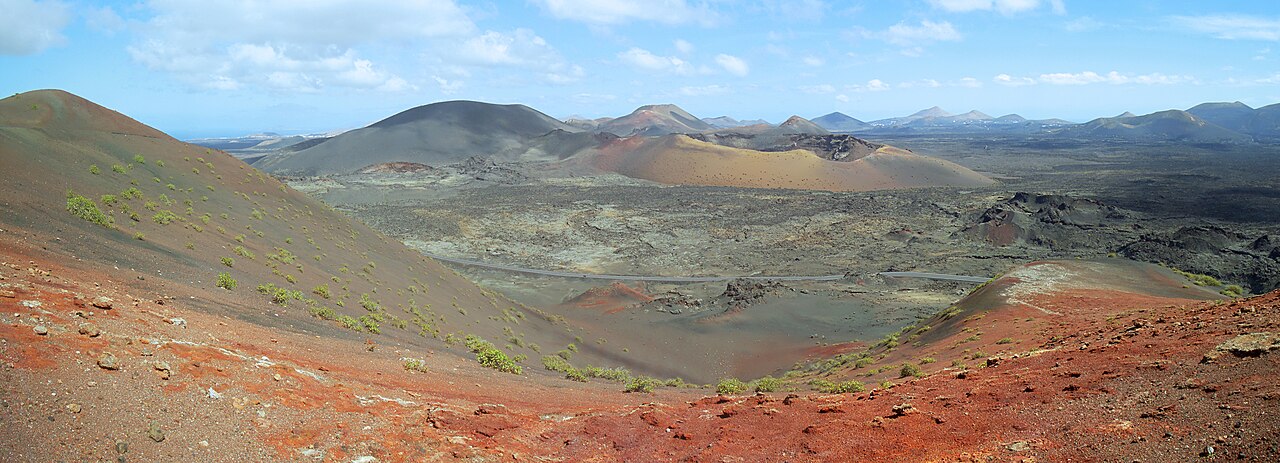
The restaurant at Islote de Hilario in Timanfaya is known for cooking over natural geothermal heat, a novelty that fits the setting, and it is worth a look when you visit the park. Many other restaurants and cafés sit beside the main sights, including those inside the Manrique centres, which serve local dishes with a view. Plan the meal that suits the day: a light snack at a viewpoint, a longer lunch in a wine village or in El Golfo, and dinner in a resort town such as Playa Blanca or Puerto del Carmen.
Practical tips
Lunch in Spain is later than in much of northern Europe and dinner later still, though resorts serve earlier for visitors. Tipping is modest and appreciated rather than required. Drinks such as the local beer and light wines are easy to find, and a glass of Malvasía makes a good end to a meal. If you have dietary needs, tell the restaurant at the start, because staff are used to visitors and can usually adjust. Bring water to the sights, since the sun is strong and shade is limited.
A simple plan
Start the south day with a Timanfaya slot, eat fish in El Golfo, visit the salt works and finish with a wine tasting in La Geria. In the north, plan lunch in Haría or beside a Manrique centre. If you stay in a resort with several restaurants, such as Princesa Yaiza, mix a hotel dinner with one or two meals in the towns so that you taste more of the island.