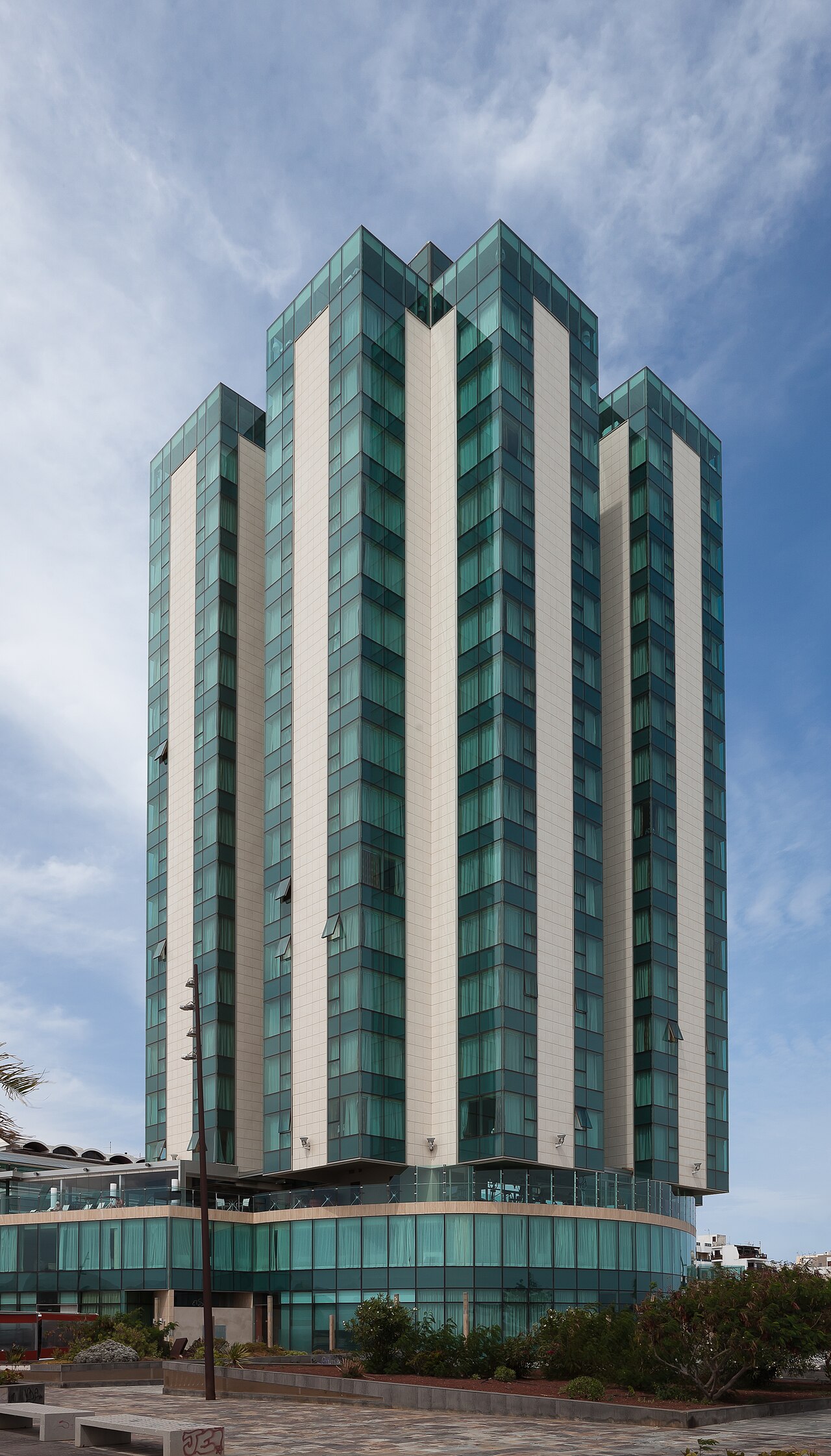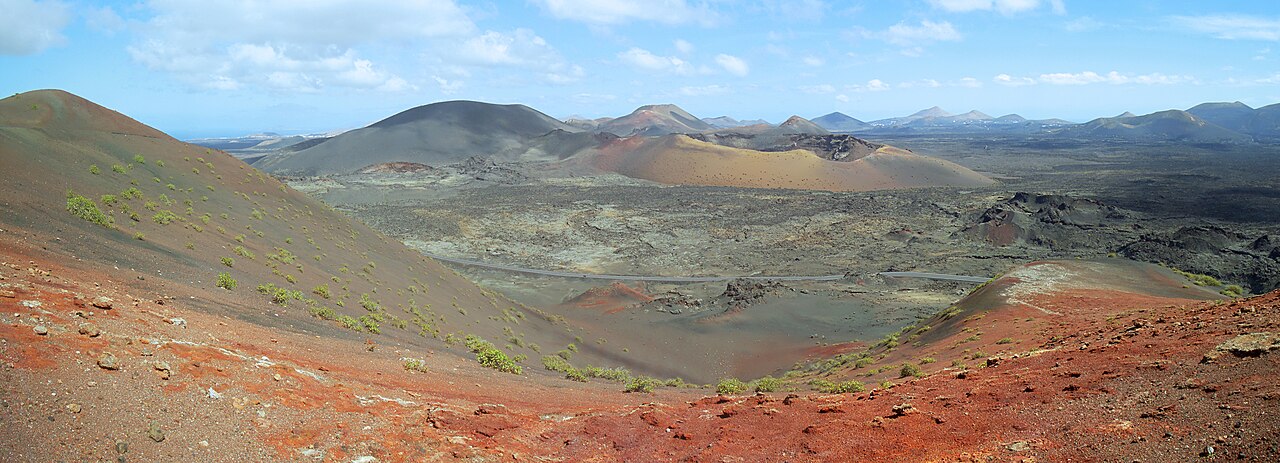
Lanzarote is a small island with a big personality. A series of eruptions in the 1730s buried a large part of it under lava, and the result is a landscape of black cones, red craters and white villages, shaped in the twentieth century by the artist César Manrique. The south has the beach resorts and the volcanic national park, the north has the Manrique sites and the cliffs, and the sea has boat trips, diving and surf. Winter, from about November to March, is the busy season for sun-seeking visitors, with warm days, a cool sea and visitors from across northern Europe, so a little planning pays off.
What to book ahead
Two sights use fixed time slots: Timanfaya National Park and the Cueva de los Verdes sell tickets online only, for a chosen date and time, and refunds and changes are not allowed. Book these first, then fit everything else around them. Jameos del Agua, Mirador del Río and the Jardín de Cactus do not need a time slot, but buying ahead saves queueing. The Papagayo catamaran, the La Graciosa cruise, the Museo Atlántico dive and surf classes at Famara run in small numbers, so reserve a day or two ahead in the high season.
How to get around
A hire car gives the most freedom, since the sights are spread across the island and public transport is limited outside the resorts. Roads are good and distances short, with most of the island within an hour of the capital, Arrecife. Taxis are easy in the resorts, and guided tours with hotel pickup are an option if you prefer not to drive. For wine tastings, arrange a driver or tour, and note that La Graciosa is car-free once you cross the strait.
How many days
Five to seven days works well. Spend a day at Timanfaya and the La Geria vineyards, with a stop at the Salinas de Janubio. Spend a day in the north with Jameos del Agua, the Cueva de los Verdes, Mirador del Río and the Jardín de Cactus. Add a boat day to Papagayo or La Graciosa, and keep a day free for the beach, surf or a dive at the Museo Atlántico. With three or four days, choose Timanfaya, one Manrique day and one boat day.
The south
Playa Blanca and Puerto del Carmen are the main resort areas. Timanfaya is reached from the south and the centre, and its coach drive across the lava field is the one visit to prioritise. La Geria is a wine valley where vines grow in hollows of volcanic ash behind stone walls, and Bodegas El Grifo is an easy first winery. The Salinas de Janubio, the largest salt works in the Canaries, can be visited with a guide.
The north
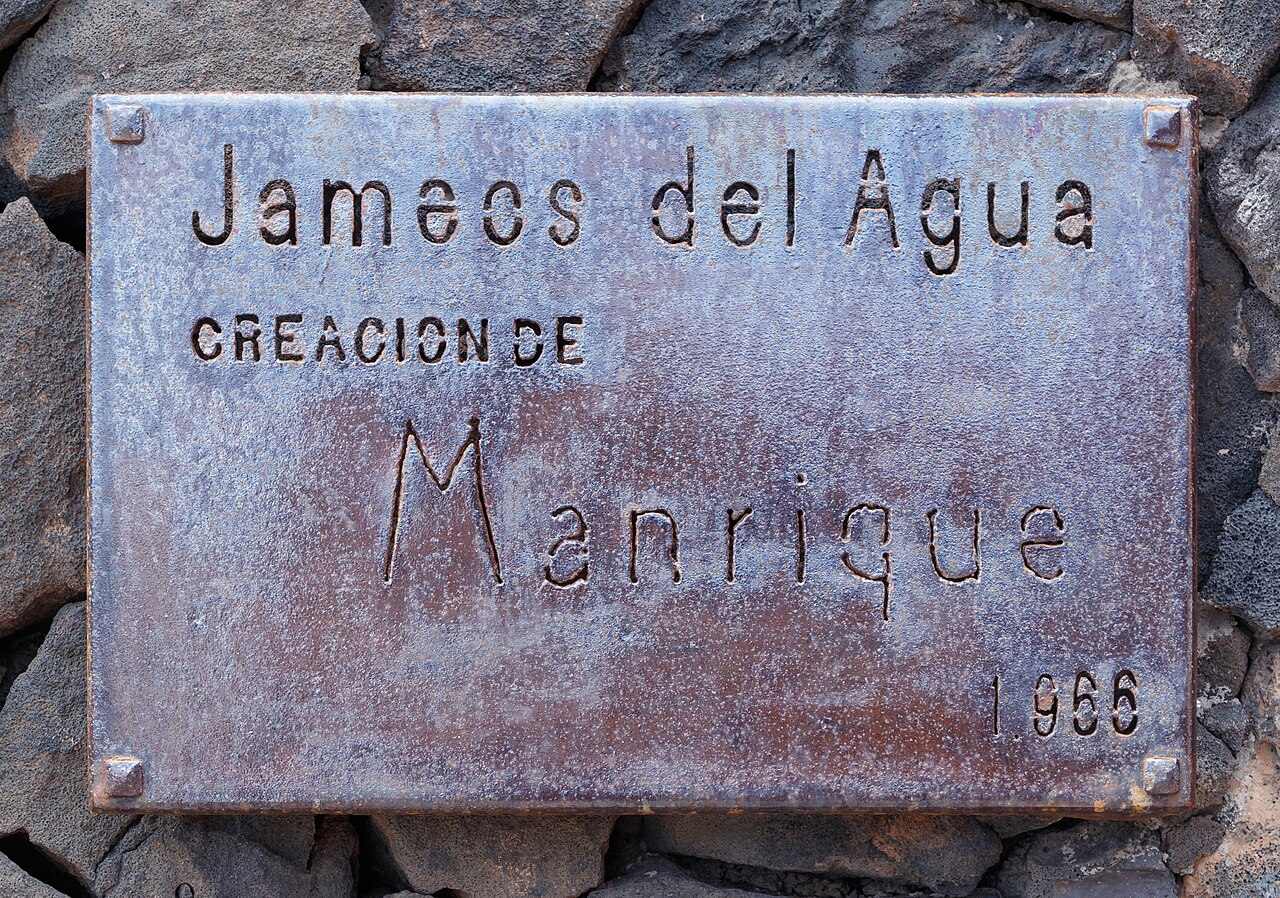
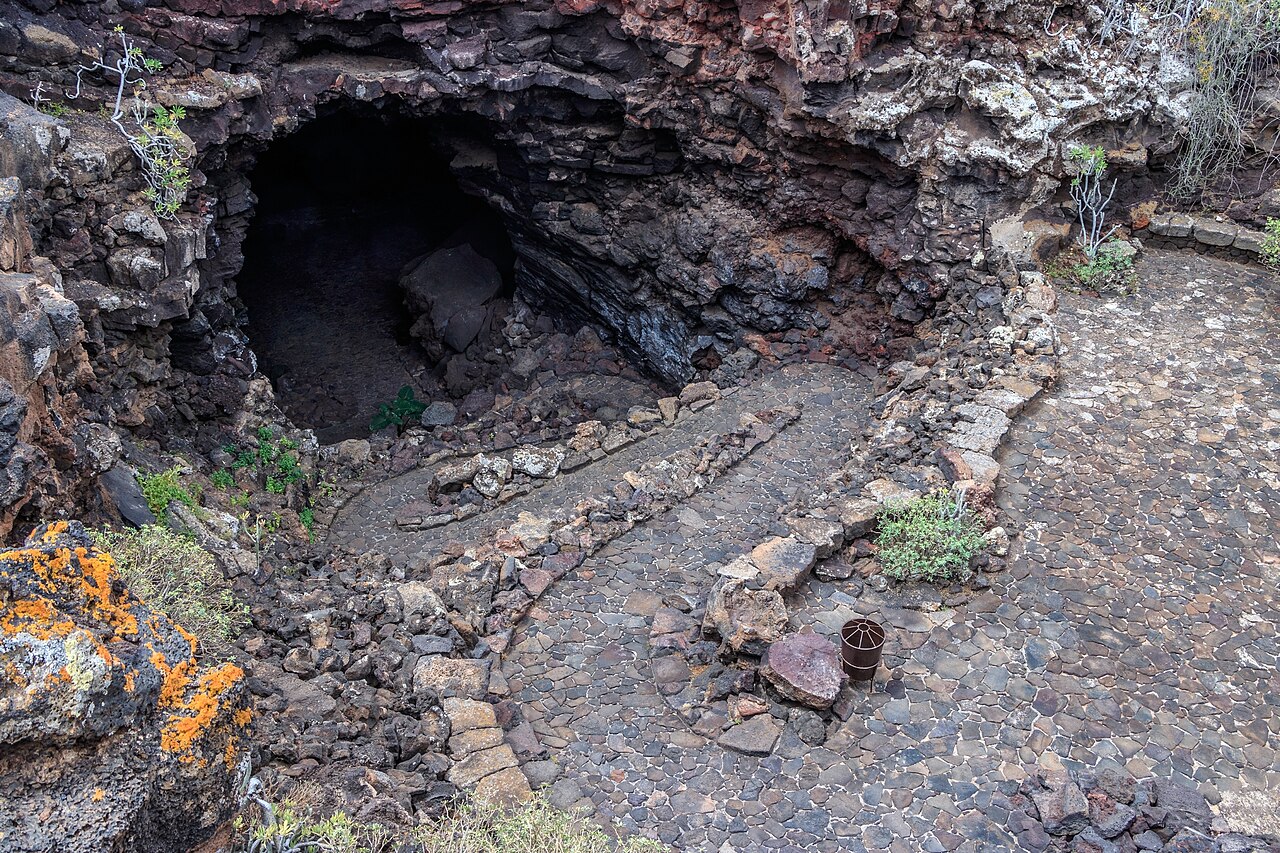
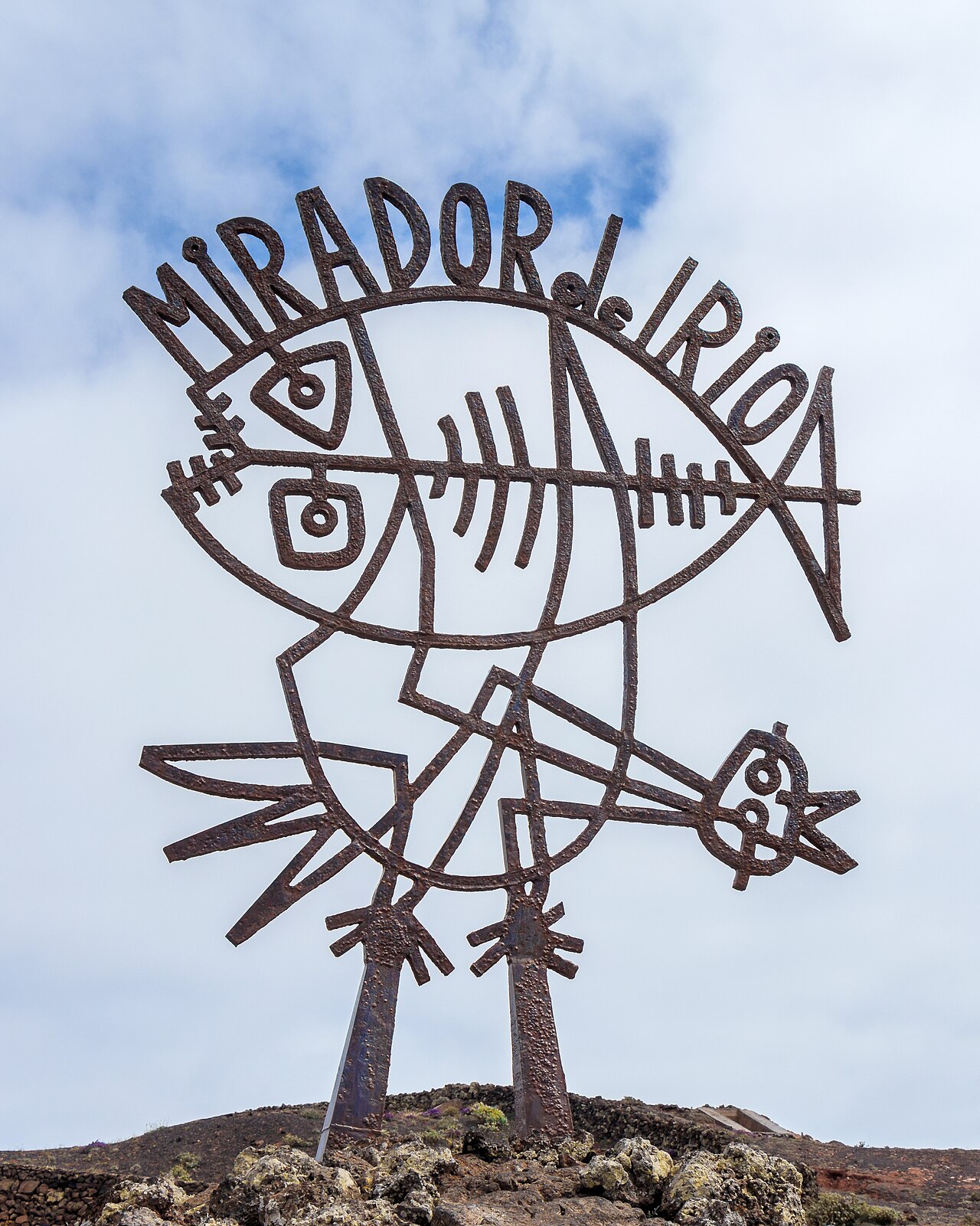
The César Manrique route is the heart of the island’s culture. Jameos del Agua and the Cueva de los Verdes are two sections of the same lava tube, Mirador del Río looks across the strait to La Graciosa, and the Jardín de Cactus at Guatiza is a terraced garden in a former quarry. Start with the fixed-slot cave and let the others follow.
On and under the water
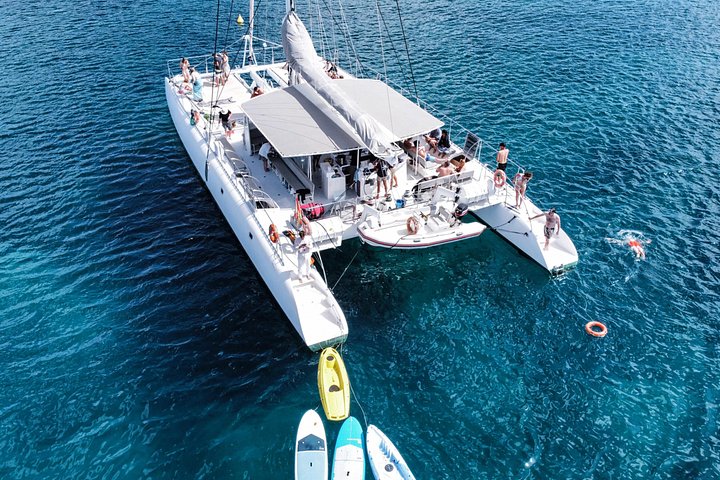
A catamaran from Puerto Calero reaches the sheltered Papagayo bays, and a day cruise to La Graciosa adds a quiet, car-free island. Beginners can dive the Museo Atlántico’s sculptures off Playa Blanca, and Famara has surf classes below the northern cliffs.
Good to know
The weather is usually warm in winter, but the wind can be strong on the north cliffs and the sea is cool, so bring a layer. The sun is strong all year, so pack a hat and sunscreen. Prices here are in general terms, and opening hours and fares change, so check before you go.