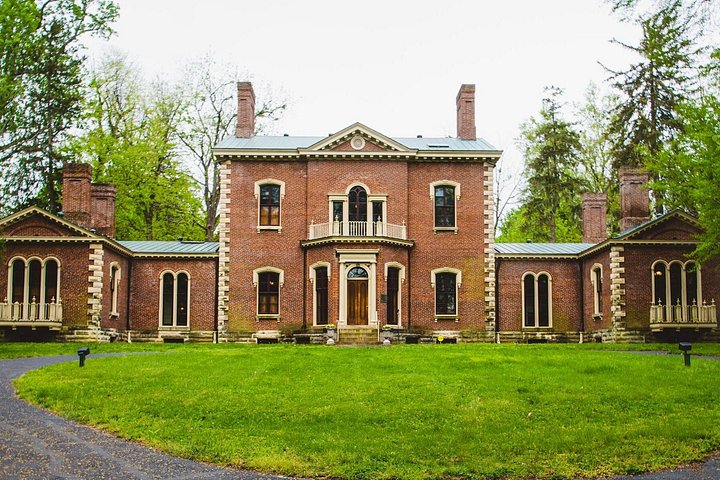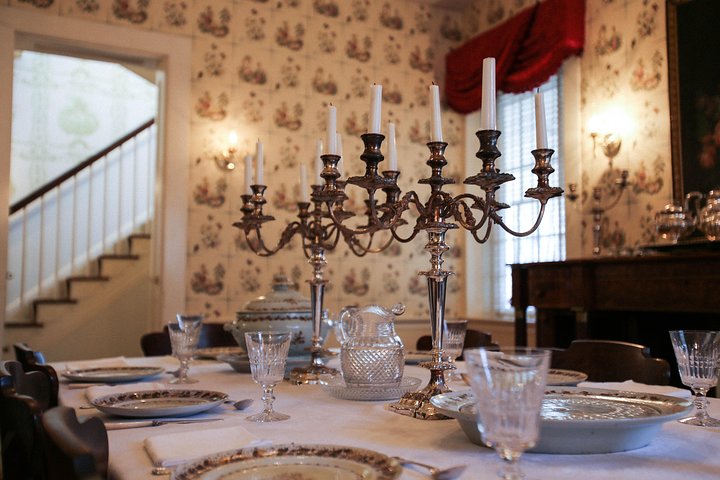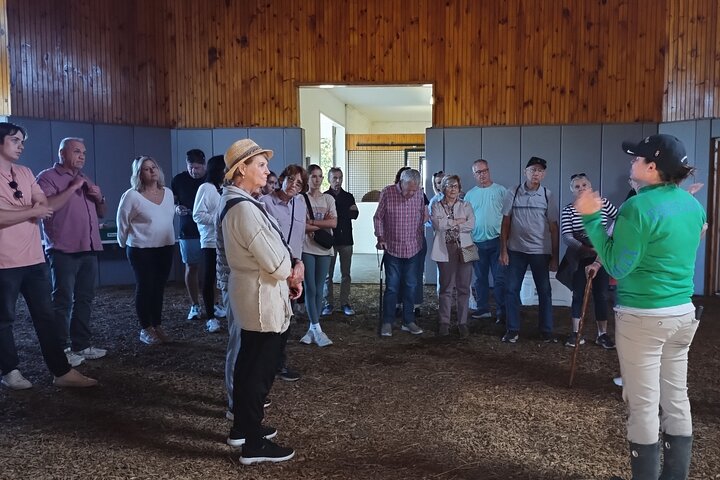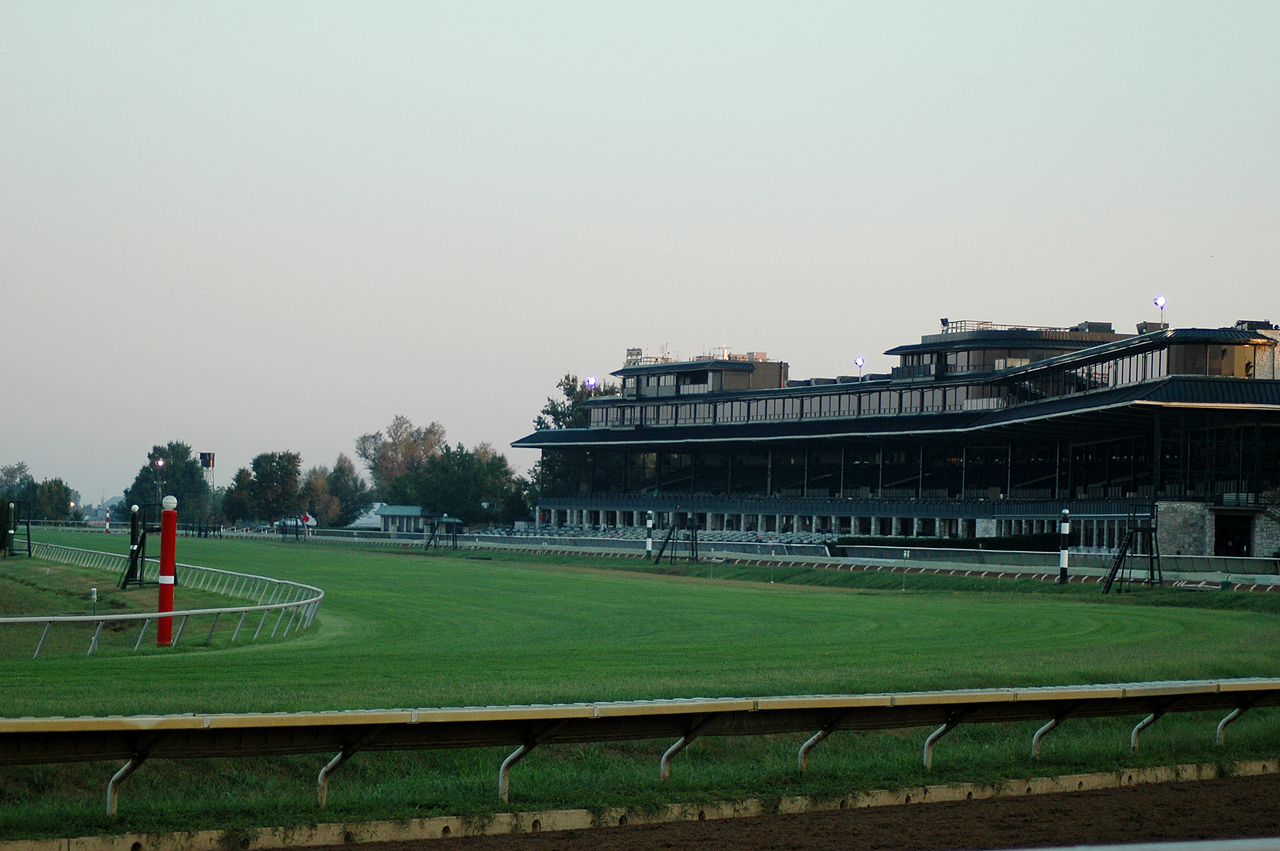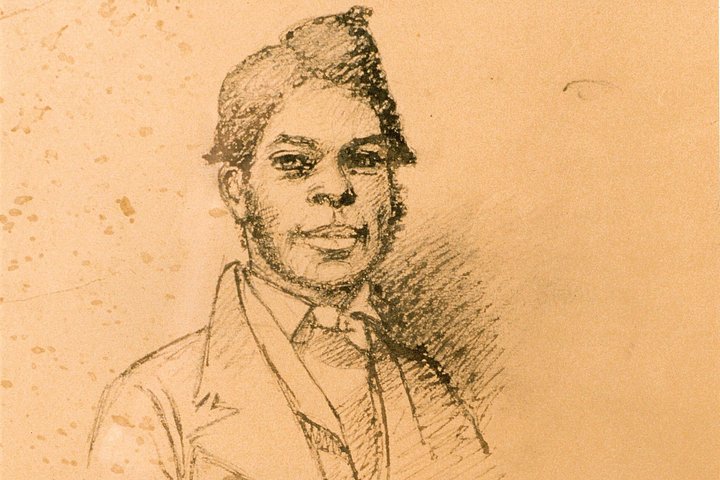
Historic house tours have traditionally focused on the family in the main rooms. Traces turns that approach around. This specialty tour at Ashland follows the people who worked on the estate and whose labour made the household, the gardens and the farm function: the cooks, the stable hands, the domestic servants and the field workers who lived and worked on land owned by one of the most powerful men in the country. The tour explores the places where enslaved people lived and worked, the documents that mention them, and what we know of their names, skills and relationships. It deals frankly with the role of slavery in Clay's wealth, his public statements on colonisation and gradual emancipation, and the ways his political compromises protected the institution he claimed to see as a necessary evil. The interpretation is based on historical records and research, and guides generally encourage questions and discussion. This is not a light tour, but it is a valuable one. It broadens the story of the house beyond the dining room and the parlour, and it helps visitors understand how enslaved labour underpinned the Bluegrass economy, including the horse farms and the hemp fields that made Lexington rich. Many visitors say it changes how they look at the whole region.
Take this tour in addition to, or instead of, the standard house tour, depending on your interests and time. If you can only do one, the standard tour gives a broader overview of Clay's career, and Traces gives a deeper, more specific account of the lives that supported it. Booking ahead is wise, since specialty tours run on set dates and capacity is limited.
The tour is best for adults and older children who are comfortable with serious historical topics. Younger children may find the subject matter challenging, and parents should consider whether it fits the age of the group. Plan to allow reflection time afterward, perhaps with a walk through the garden.
Combine this visit with the Mary Todd Lincoln House and Waveland State Historic Site, which also interpret enslaved life, to build a fuller picture of Kentucky history. Confirm the schedule when you book, and check accessibility details if anyone in your party needs them.
Many visitors find it helpful to read a little background before the tour, such as a short biography of Clay or an overview of slavery in Kentucky, so the conversation can go deeper. Questions are welcome, and guides are used to a range of reactions. Take your time afterward, perhaps with a quiet walk or a coffee, to let the afternoon settle before moving on to the next stop.
The tour also touches on the afterlife of the estate, including how descendants and researchers have helped recover names and stories, and why that work matters to understanding Kentucky today. This context turns what could be a sombre hour into a meaningful one, and many visitors comment that it is the most memorable part of their stay. Be prepared for emotion, take the time you need, and remember that the guides are experienced in hosting difficult conversations with respect and care. Visitors of all backgrounds are welcome.
What to expect
The experience
A specialty tour of Ashland focused on the enslaved people who lived and worked on Henry Clay's estate.
Best time
Offered on set dates, so check the calendar. Spring and fall are comfortable for the grounds.
How long
About an hour to an hour and a half.
Tips
Reserve ahead, since specialty tours have limited capacity, and consider the age of children in your group.
Quick picks
- Best for
- Visitors who want an honest, human account of Kentucky's past.
- Families
- Better for older children and teens who can handle the subject.
- Couples
- A thoughtful, serious hour that deepens a trip.
- Pair with
- The standard Ashland tour, the Mary Todd Lincoln House and Waveland.
- Time needed
- One to one and a half hours.
Good questions
How is this different from the regular house tour?+
It centres the enslaved people at Ashland rather than the Clay family, using records and research to tell their stories.
Is it suitable for children?+
Best for older children and teens. Consider the subject matter for younger visitors.
Do I need to book?+
Yes. Specialty tours run on set dates with limited capacity.
Should I also take the regular tour?+
If you have time, yes. The two tours complement each other.
Where does it start?+
At the estate on Richmond Road. Confirm meeting details when you book.