Ljubljana is a small city with a serious appetite. Slovenia sits where Alpine, Mediterranean, Central European and Balkan traditions meet, and the capital’s kitchens draw on all four, from hearty mountain stews to Adriatic fish, from Austro-Hungarian pastries to a new generation of chefs who cook with seasonal, local produce. This guide explains what to try and how to eat well without trying too hard.
Start with the market
The Central Market, with its colonnades along the river, is the heart of the city’s food life. Fruit, vegetables, honey, cheese, cured meats and flowers fill the stalls most mornings, and the covered hall holds butchers, bakers and dairy sellers. Buy a pastry, a piece of fruit and a coffee and eat by the river like a local. In the warmer months, a weekly open-air food event brings stalls from many of the city’s restaurants into the market square, with tastings and street food, so ask your hotel or the tourist office whether it is running during your stay.
Dishes to try
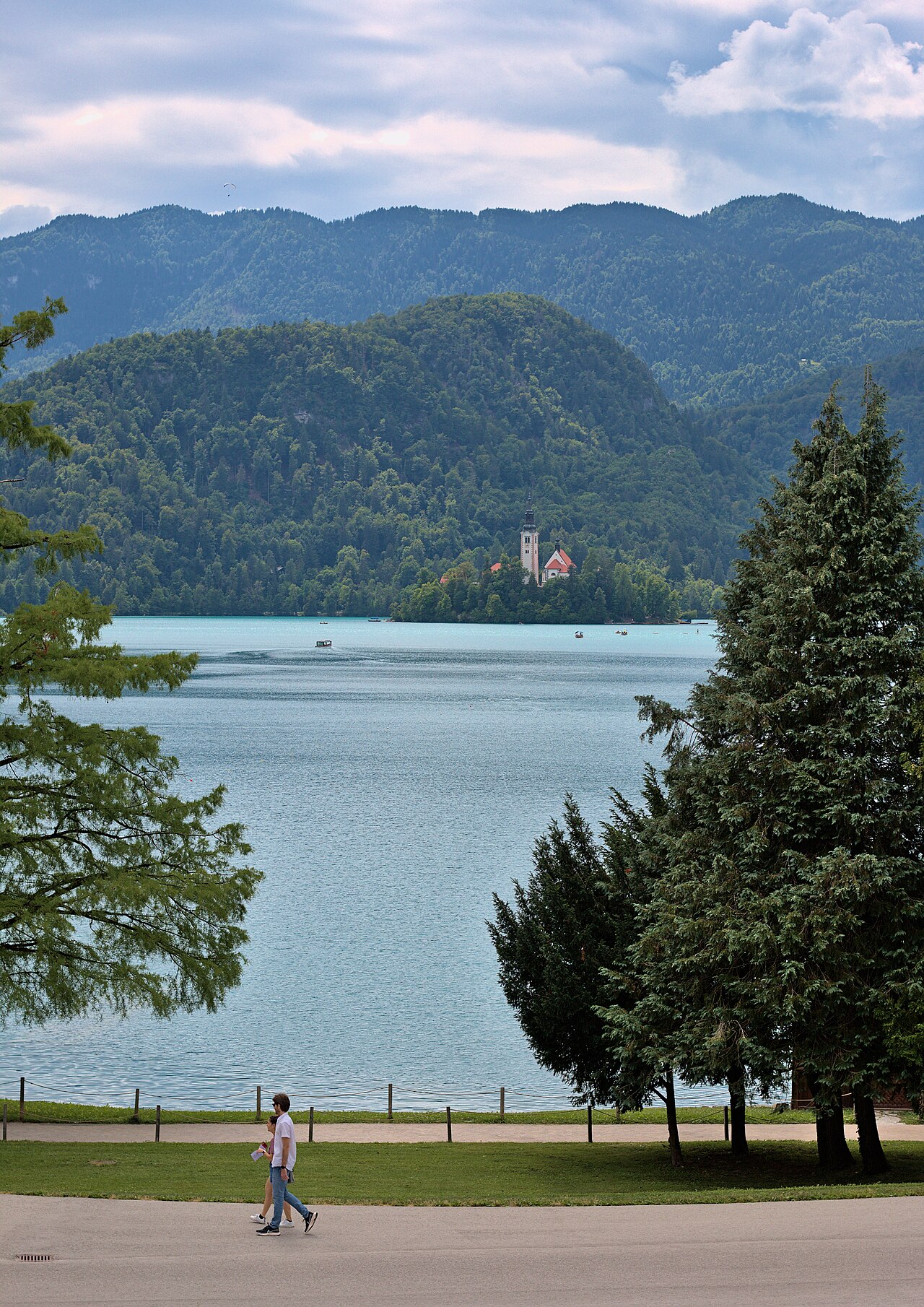
Traditional Slovenian cooking is honest and filling. Look for jota, a bean and sauerkraut stew, and for štruklji, rolled dumplings that can be sweet or savoury and are served all over the country. Carniolan sausage, kranjska klobasa, is the national sausage, often served with mustard and horseradish, while žlikrofi, small filled dumplings, come from the highlands. Pumpkin seed oil, dark green and nutty, is drizzled on salads and even ice cream. On the coast and at Lake Bled, trout and sea fish feature, and Bled’s cream cake, kremšnita, is a rite of passage. For dessert, try potica, a rolled nut cake that appears at every celebration. A typical traditional inn, a gostilna, serves most of these dishes in generous portions.
Where to eat
The riverside terraces along the Ljubljanica are the classic place for a long lunch or dinner, and they are as good for people-watching as for the food. For a quieter meal, walk a few streets back from the river, where smaller restaurants offer more local menus. Many chefs in Ljubljana now serve tasting menus built around Slovenian ingredients, and there are good vegetarian and vegan options, as the city has a young, green-minded dining scene. Lunch menus, often a fixed set of courses, are a good way to try a better restaurant at a gentler price. Book ahead for Friday and Saturday evenings and for any restaurant you have your heart set on.
Coffee and cake
Slovenes take their coffee seriously, and the cafe culture is relaxed: order one drink and stay for an hour. Traditional cafes serve cakes and pastries, and specialty roasters have appeared across the centre. Grand Hotel Union’s Kavarna Union is a historic place for coffee and cake, while the riverside terraces suit an afternoon pause.
Wine
Slovenia has a long winemaking tradition and three main regions: the sunny hills of Goriška Brda and the Vipava Valley in the west, the Podravje region in the north-east and the Posavje region in the south-east. Whites such as Rebula and Malvasia are popular, along with orange wines and sparkling wines, and many restaurants offer short lists by the glass. Wine bars in the old town make it easy to taste several regions in an evening, and a guided tasting is a good way to learn the styles. Look for small producers, who often make the most interesting bottles.
Beer and spirits
The craft-beer scene is lively, with local breweries and taprooms in and around the centre, and there are small distilleries making gin and whisky for tastings. A food or drinks tour in the old town is an efficient way to sample many of these in one afternoon.
Eating on a budget
Lunch is the smart meal: many restaurants offer a short fixed menu at a calm price, bakeries sell excellent pastries and savoury burek, and the market has fruit, cheese and bread for a picnic by the river. Save the long dinner for one special evening.
Practical tips
Menus are in English in most central restaurants. Service is relaxed rather than rushed, so ask for the bill when you are ready, and tipping around ten percent for good service is appreciated. Tap water is excellent, so you do not need to buy bottles. Many restaurants close one or two days a week, often Sunday or Monday, and the market does not trade on Sundays, so plan ahead. Above all, take your time: the best meals in Ljubljana are the long ones, with a view of the river and no particular place to be.