The royal château of Blois is a lesson in French architecture in a single courtyard. Its four wings come from four different periods: the Gothic Louis XII wing in red brick and stone, the Renaissance François I wing with its open spiral staircase, the classical wing by François Mansart for Gaston d'Orléans and a medieval hall. Seven kings and ten queens lived here, and the château was the scene of the murder of the Duke of Guise in 1588 on the orders of Henri III. Inside, the François I wing has richly painted rooms, the Salle des États Généraux is one of the best-preserved medieval halls in France, and the museum of fine arts displays paintings and objects. The château stands at the heart of Blois, above the Loire and a short walk from the station, which makes it the easiest of the great Loire sites to reach without a car. A sound and light show is held in season, and the old town below the château is pleasant for lunch.
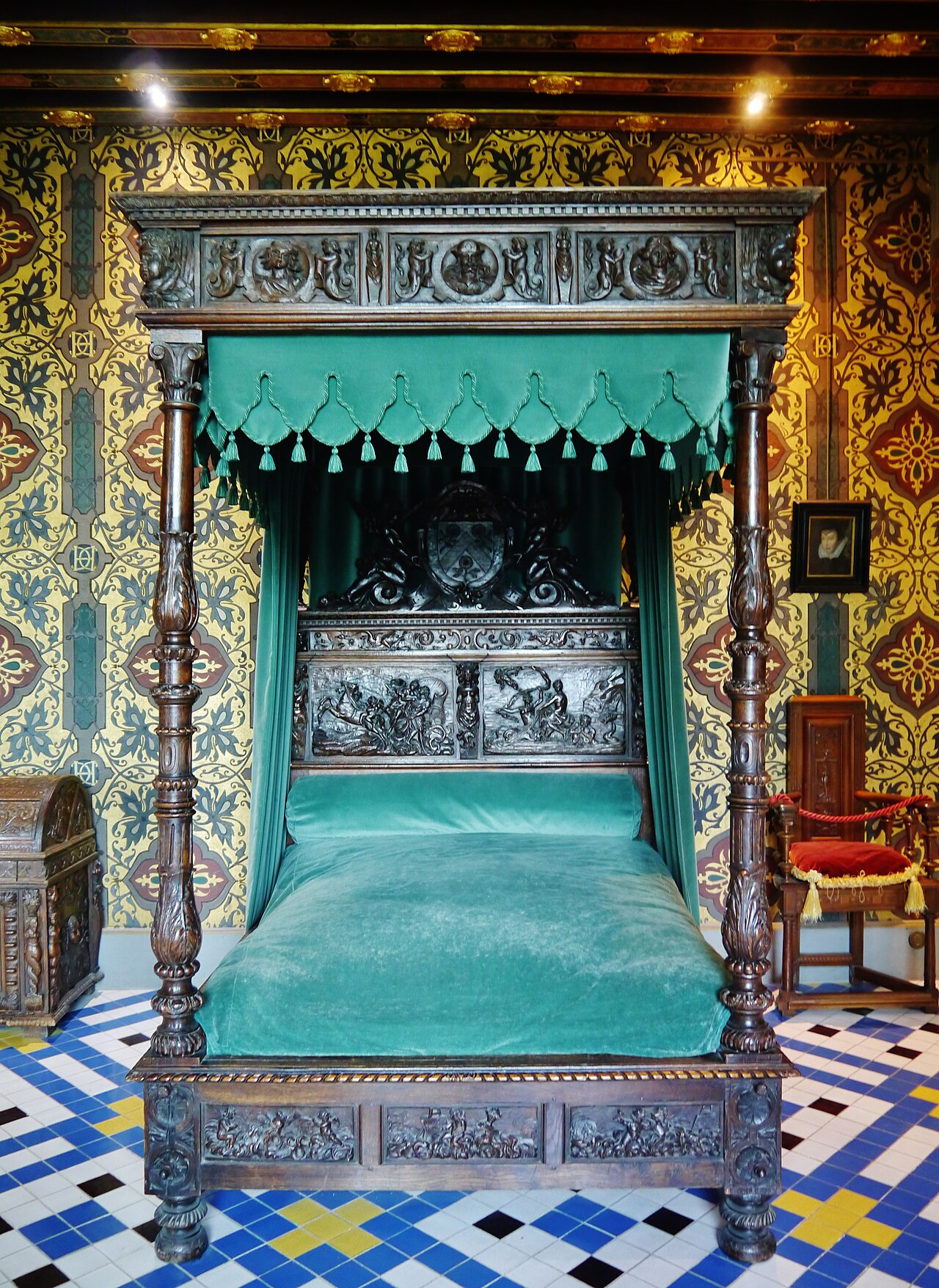
Start in the courtyard and just turn slowly. The Louis XII wing is brick and stone with a porcupine emblem, the François I wing has a staircase with carved salamanders and decorated balconies, and the Mansart wing is calm classical stone. The François I staircase is the signature, a polygonal tower of open stairs wound around a central core, carved with the emblems of the king and queen. Indoors, the rooms are richly repainted in the nineteenth-century manner, and the Duke of Guise's story is told in the room where he was killed.
The Salle des États Généraux, built in the thirteenth century, is the oldest part of the visit and shows how medieval royal halls looked. The museum of fine arts and the collections of furniture and portraits are good for a rainy day. Guided or audio-guided visits explain the layers of history, and the visit takes about two hours.
Blois is a very practical base. The station is a short walk from the château, the old town has cafés and a market, and buses and tours depart for Chambord and Cheverny. In low season the château is typically open from ten in the morning to five in the afternoon, with a Christmas programme from the end of November, but check the dates before you travel.
Wear flat shoes, because the streets leading up to the château are steep and cobbled. A sound and light show runs in the summer season and is not a winter option.
What to expect
The experience
A self-guided visit through four architectural wings, the François I staircase, the medieval hall and the fine arts museum.
Best time
Morning, then lunch in the old town; winter afternoons close early.
How long
About two hours for the interior, plus time in the courtyard.
Tips
Check the low-season hours and the Christmas programme, wear flat shoes for the cobbled approach and use an audio guide to follow the history.
Quick picks
- Best for
- History fans and anyone who wants a château visit without a car, close to the station.
- Families
- The staircase and the stories of intrigue appeal to older children.
- Couples
- Lunch in the old town and a walk along the Loire after the visit.
- Pair with
- Chambord and Cheverny, both a short drive away, and the old town of Blois.
- Time needed
- Half a day.
Good questions
Why is Blois famous?+
It was a royal residence for kings from Louis XII to Henri III and is known for the François I staircase and for the murder of the Duke of Guise in 1588. Its four wings show French architecture across several centuries.
How do I get to Blois from Tours or Amboise?+
There are regular trains from Tours and Amboise to Blois, and the château is a short walk from the station. The journey takes under an hour.
Is the château open in winter?+
Yes, with shorter low-season hours, generally from ten to five. A Christmas programme runs from late November.
Can I use Blois as a base for Chambord and Cheverny?+
Yes, Blois is the nearest large town to both, with buses and tours. A car makes it easier, especially in winter.
How long do I need?+
About two hours for the château. Allow more if you want to explore the old town.