Banqueting House is one of the most unusual historic buildings in central London, and one of the least known to visitors. It stands on Whitehall, opposite Horse Guards, and is the only substantial part of the great Tudor and Stuart Palace of Whitehall to survive. Designed by Inigo Jones in the Palladian style, it was a revolution in English architecture, bringing the classical ideas of Renaissance Italy to a country still building in the late Gothic tradition. Inside, a single great hall is crowned by a painted ceiling by Peter Paul Rubens, a celebration of the Stuart monarchy and the idea of divine kingship. The building was used for lavish masques, receptions and state ceremonies. It also has a solemn place in history, because Charles I stepped from one of its windows onto a scaffold built outside for his execution, an event that changed the nature of the British monarchy. A visit takes less than an hour and is a calm place to pause between busier sights.
Visitors usually enter the hall and sit beneath the ceiling, where audio or guide material explains the allegorical panels and the story of how the paintings were made and installed. The scale of the space is striking, and the cushions or seating often provided make it comfortable to look up for long periods. Exhibition material explains the Palace of Whitehall and the role of the hall in royal life. The building is a hospitable, quiet place compared with its busy neighbours.
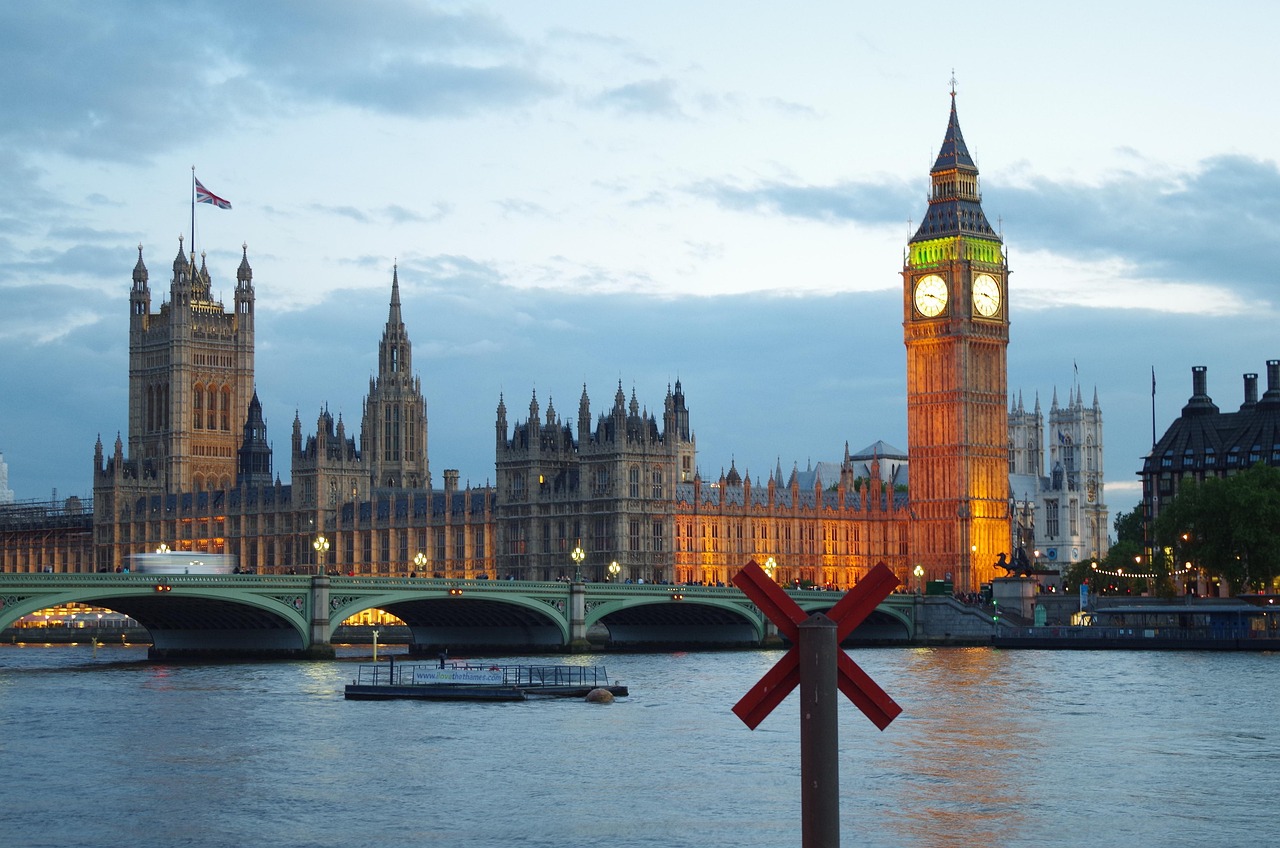
Banqueting House is at its best as part of a walk through Westminster. It is a few steps from Horse Guards Parade, Downing Street and the Churchill War Rooms, and a short walk from Trafalgar Square, Westminster Abbey and the Houses of Parliament. The building opens to visitors only on selected days and in limited seasons, and the hall is also used for events, so check dates before you plan around it.
The nearest stations are Charing Cross, Westminster and Embankment, all within a few minutes on foot. Ask the operator about accessibility before you go.
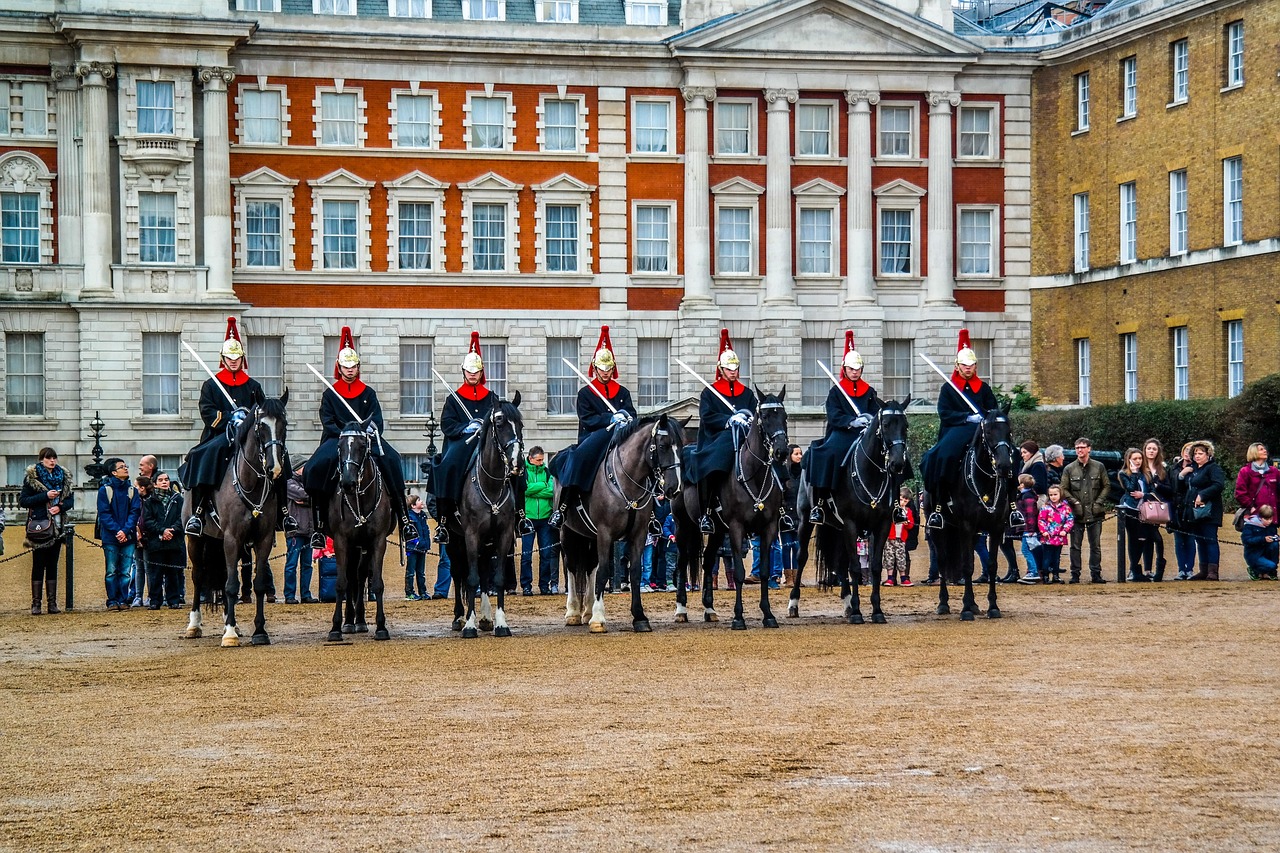
Plan a visit of around an hour, and then continue to the Changing of the Guard at Horse Guards, a short walk away, or on to the Churchill War Rooms. History enthusiasts often use Banqueting House as the starting point for a walk through the political heart of London. It is an excellent choice on a wet day, when it offers a quiet and beautiful interior, and it appeals to anyone interested in architecture, art or the story of the monarchy.
Even visitors who feel they have seen the famous sights often find that this small, serene hall leaves a stronger impression than they expected.
Visitors with only a short time in Westminster often skip this building, which is a missed opportunity, because it takes so little time and rewards close attention. Bring a small pair of binoculars or use a phone camera zoom to read the details of the ceiling panels, which are far above eye level. The staff are happy to answer questions, and the gift shop has good books on the building and its architect.
What to expect
The experience
A self-paced visit to the great hall and Rubens ceiling of Banqueting House.
Best time
Weekday mornings, when the hall is quiet.
How long
About an hour.
Tips
Check opening times because the hall is used for events, and sit down to look up at the ceiling.
Quick picks
- Best for
- Lovers of architecture, art and royal history.
- Families
- Fine for older children interested in history; young children may find it quiet.
- Couples
- A calm, beautiful pause between busier sights.
- Pair with
- Horse Guards, the Churchill War Rooms and Westminster Abbey.
- Time needed
- About an hour.
Good questions
What is the ceiling?+
A painted ceiling by Rubens celebrating the Stuart monarchy.
Why is the building historic?+
It is the only substantial surviving part of the Palace of Whitehall, and Charles I was executed outside it.
How long should I allow?+
About an hour.
Is it open every day?+
Not always, because it hosts events. Check opening times first.
Is it accessible?+
Ask the operator about accessibility arrangements before you go.