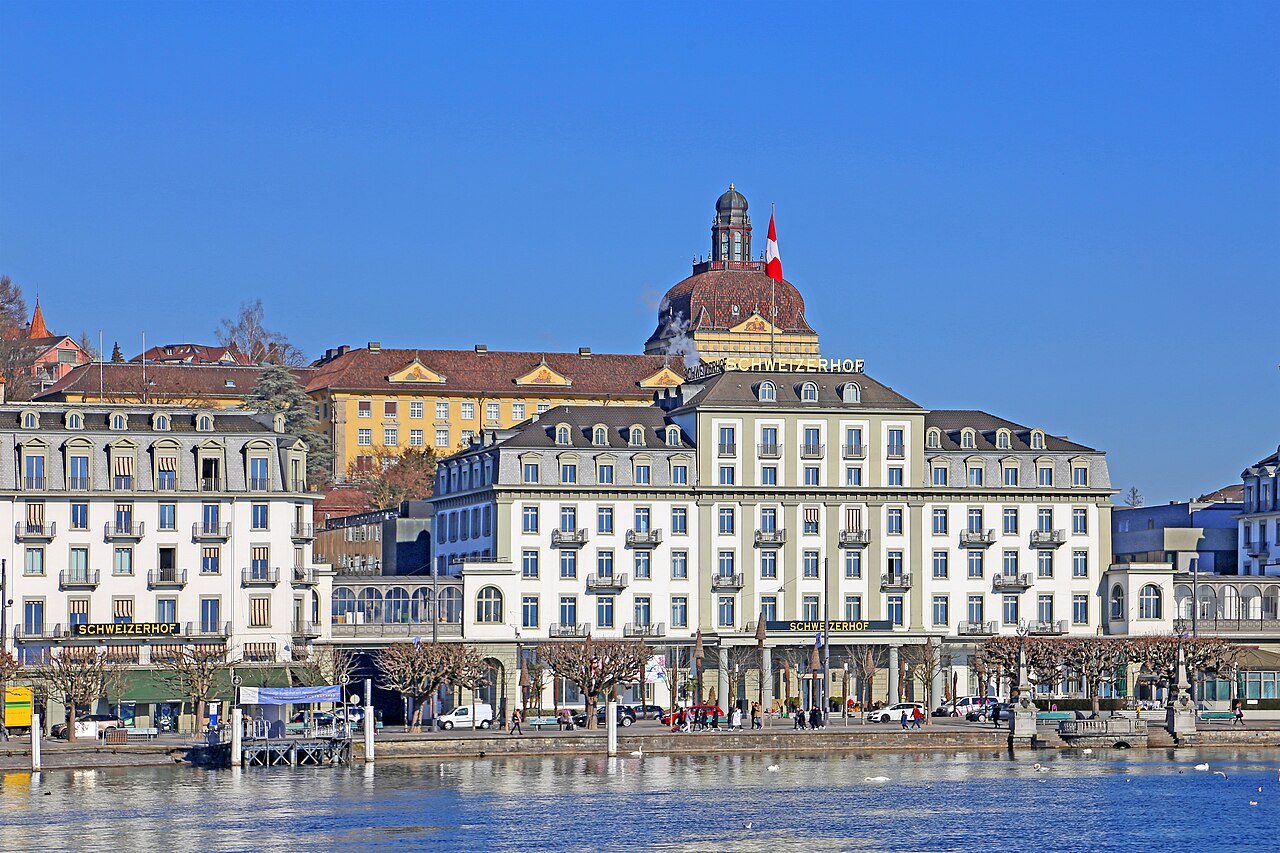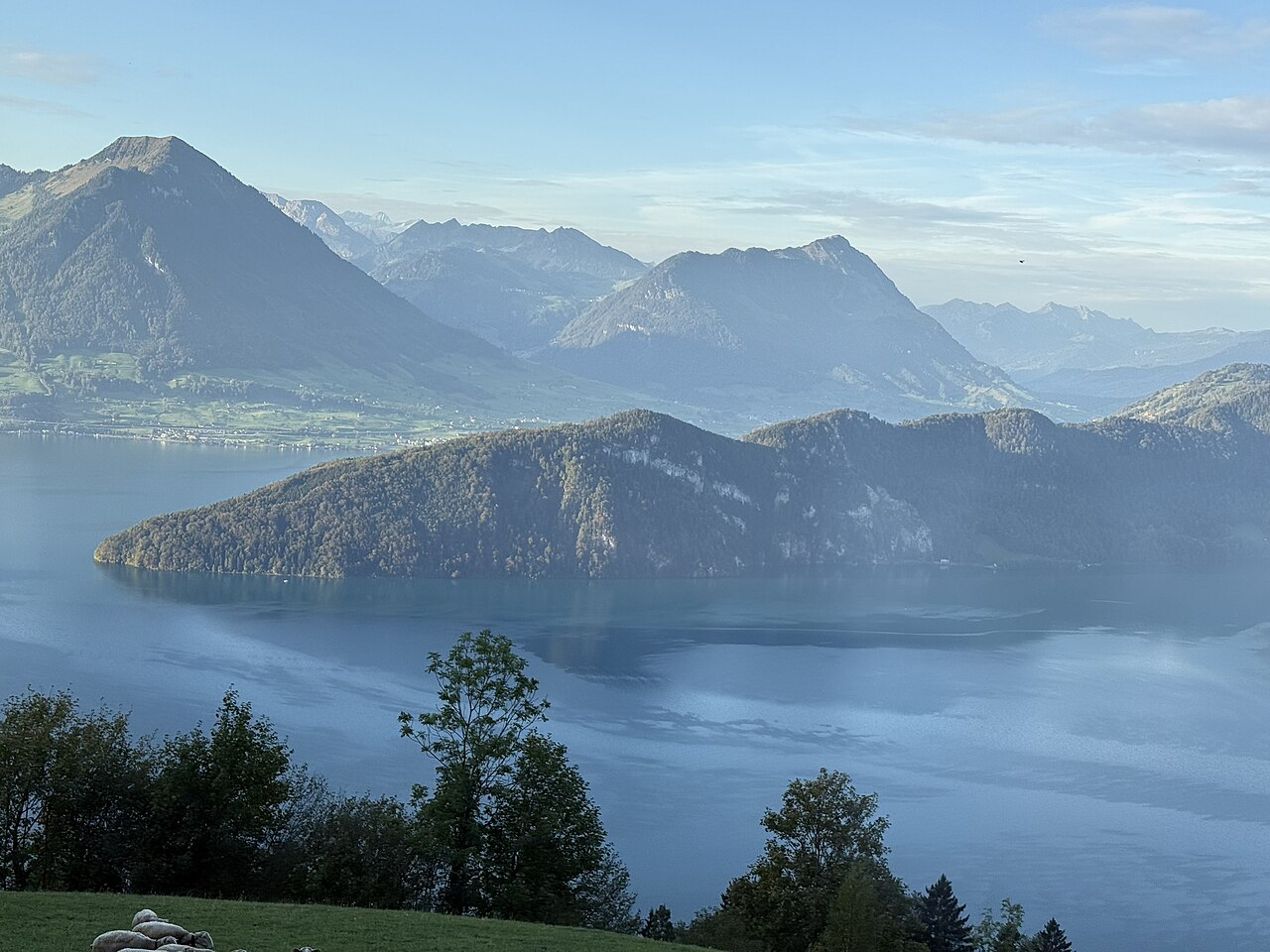
Few places make transport as enjoyable as central Switzerland. Trains arrive on time, boats cross the lake as part of the timetable and cable cars lift you from the shore to the summit, and almost everything starts at one compact hub. This guide explains how the system works, how to plan a day, and how to decide whether a travel pass is worth buying.
Arriving
Lucerne sits on the main line between Zurich, Basel, Bern and the Gotthard route to the south, and the station is right beside the lake and the Old Town. From Zurich, including its airport, direct trains take around an hour. From Basel and Bern, a change is sometimes needed, but the journey is straightforward. Arriving by train means you step out almost at the lakeshore, and most central hotels are a short walk. Driving is possible, but car parks in the centre are costly and the city is easier without one.
On foot
Lucerne's centre is compact. The station, the KKL, the Chapel Bridge, the Old Town, the boat piers and the Lion Monument are all within about fifteen to twenty minutes of one another, and the Musegg Wall rises just behind the Old Town. Most visitors spend their city days on foot, adding a bus or a short boat hop for places further out, such as the Swiss Museum of Transport, which sits on the lake front east of the centre.
Local buses
The city has an efficient bus network, with routes that reach the museum quarter, the lakeside suburbs and the lower stations of several mountain lifts. A hotel guest card, where offered, often includes free local transport, so ask at check-in. Buy tickets at the stop machines or in the transport app before you board, and validate if required.
By boat
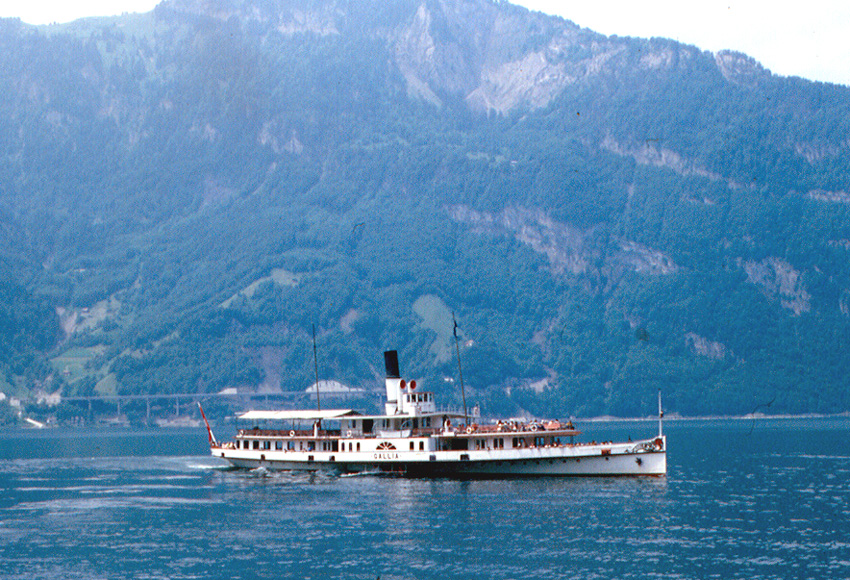
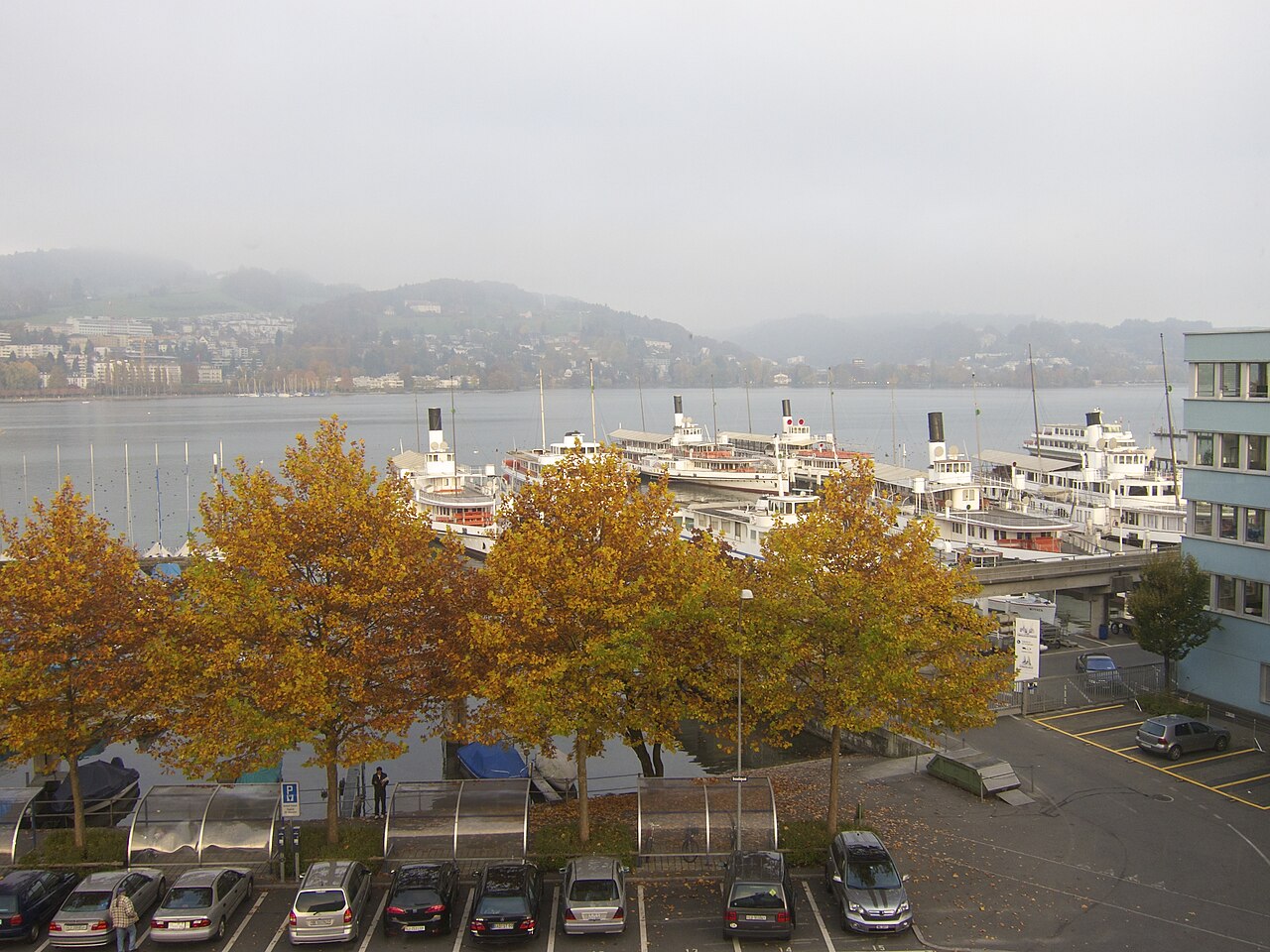
The lake steamers and motor ships are both sightseeing and public transport. A boat takes you to the foot of the Rigi at Vitznau, to the Bürgenstock landing and to many villages along the shore, and in summer the historic paddle steamers add a classic feel. The boats run on a seasonal timetable, with a reduced winter schedule, so check departures before you plan. Travelling by boat to a mountain base and returning by train is one of the most pleasant ways to build a day.
Mountain lifts and railways
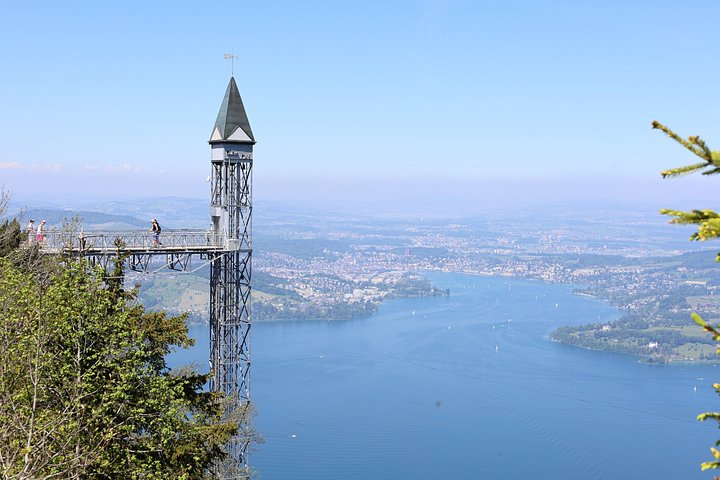
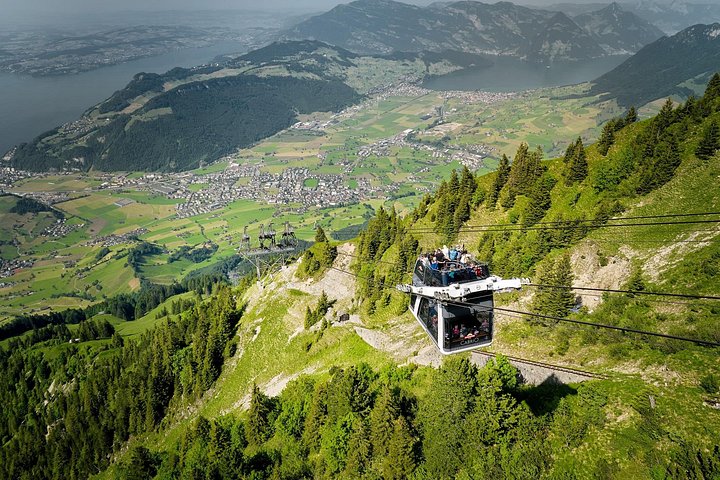
Each mountain has its own system. Pilatus uses a cogwheel railway from Alpnachstad and a gondola and cable car from Kriens, and the two can be combined into a loop. Rigi is reached by cogwheel railways from Vitznau and Arth-Goldau, or by cable car from Weggis. Titlis is reached through Engelberg, by train and then a series of cable cars. The Stanserhorn combines a funicular and an open-top cable car. The Bürgenstock uses a boat and a funicular, and its Hammetschwand Lift carries you up the last stretch. Many lifts follow seasonal calendars, so verify the dates for your trip.
Do you need a Swiss Travel Pass?
The answer depends on your plan. A travel pass covers unlimited trains, buses and boats across the country and gives free or reduced entry to many mountain lifts and museums. It pays for itself if you plan several long journeys, for example Lucerne to Interlaken and back, a Glacier Express section and a few mountain days. If your plan is a base in Lucerne with two or three outings, point-to-point tickets or a regional pass may be cheaper. Add up the actual journeys you intend to make, check what each pass discounts and compare. Remember that some famous trips, including the Jungfraujoch, have only partial discounts on a pass.
Planning a day
Choose one big outing per day and leave margins for connections. Start early on clear days, since summits are clearest in the morning and queues are shortest. Build in lunch at the top or in a village, and avoid trying to link too many lifts in a day. Use the timetable app to check connections, and remember that the last boat or lift down can come early in the shoulder seasons.
Practical tips
Pack layers and a waterproof jacket, since the temperature drops with altitude. Keep your ticket handy for inspections, carry a power bank for your phone, and keep your luggage light, as train luggage racks are limited. Many hotels near the station will store bags if you arrive early or leave late. If you travel with a stroller or a wheelchair, check lift and station accessibility in advance; most trains and boats are accessible, but some mountain sections have steps.
Choosing where to stay
Because transport is so good, your hotel choice should follow the way you travel. A hotel by the station suits early starts and day trips, while an Old Town or lakeside hotel suits relaxed evenings and walking. Either way, you will never be far from the train, and a day on the move starts with a short walk.