Luxembourg sits where French finesse meets German heartiness, and its table shows it. The capital is also an international business hub, so the dining scene is far more varied than the size of the country suggests. You can eat a rustic bowl of green bean soup at lunch and a tasting menu at dinner, and wash both down with a local wine that few visitors have heard of. This guide covers what to try, what to drink and how to plan your meals.
The national dishes
The classic is judd mat gaardebounen, smoked pork collar served with broad beans in a creamy sauce, which many consider the country’s signature dish. Look too for bouneschlupp, a comforting green bean soup, and gromperekichelcher, crisp fried potato fritters that appear at fairs and Christmas markets. Kniddelen are soft dumplings, often served with bacon, and treipen is a local blood sausage typically served with mashed potato and apple. Rivers bring trout, often cooked in a Riesling sauce, and in autumn game dishes from the Ardennes forests are a seasonal treat. Portions are generous, so lunch is the best time to try something heavy.
Sweet things
The Luxembourgish sweet tooth is well served. Quetschentaart is a plum tart that appears in late summer and early autumn, and local bakeries offer pastries influenced by French and German traditions. Chocolatiers and pâtissiers in the upper town sell gifts that travel well. Coffee culture is strong, so a mid-afternoon stop at a café is an easy way to rest your legs and enjoy a slice of something sweet.
Wine from the Moselle
Luxembourg’s vineyards run along the Moselle on the south-eastern border, and the wines are crisp, aromatic and good value. White varieties dominate, with Riesling, Pinot Gris, Auxerrois and the local Elbling among the best known, and the country makes some excellent sparkling wine known as crémant. A glass of crémant is the natural aperitif, and a bottle of Riesling goes beautifully with river trout. If you want to learn more, a tasting in a wine cellar in Remich, Grevenmacher or Echternach’s surroundings is an easy half-day trip, and guided tastings in the capital offer a gentler introduction.
Beer and spirits
Luxembourg has a long brewing tradition, and the national lagers are easy to find in bars and on terraces. Craft breweries have also appeared in recent years, and many cafés serve a handful of local beers on tap. Fruit brandies made from plums and mirabelle plums, served as an after-dinner digestif, are another local speciality worth a small glass.
Where to eat in the capital
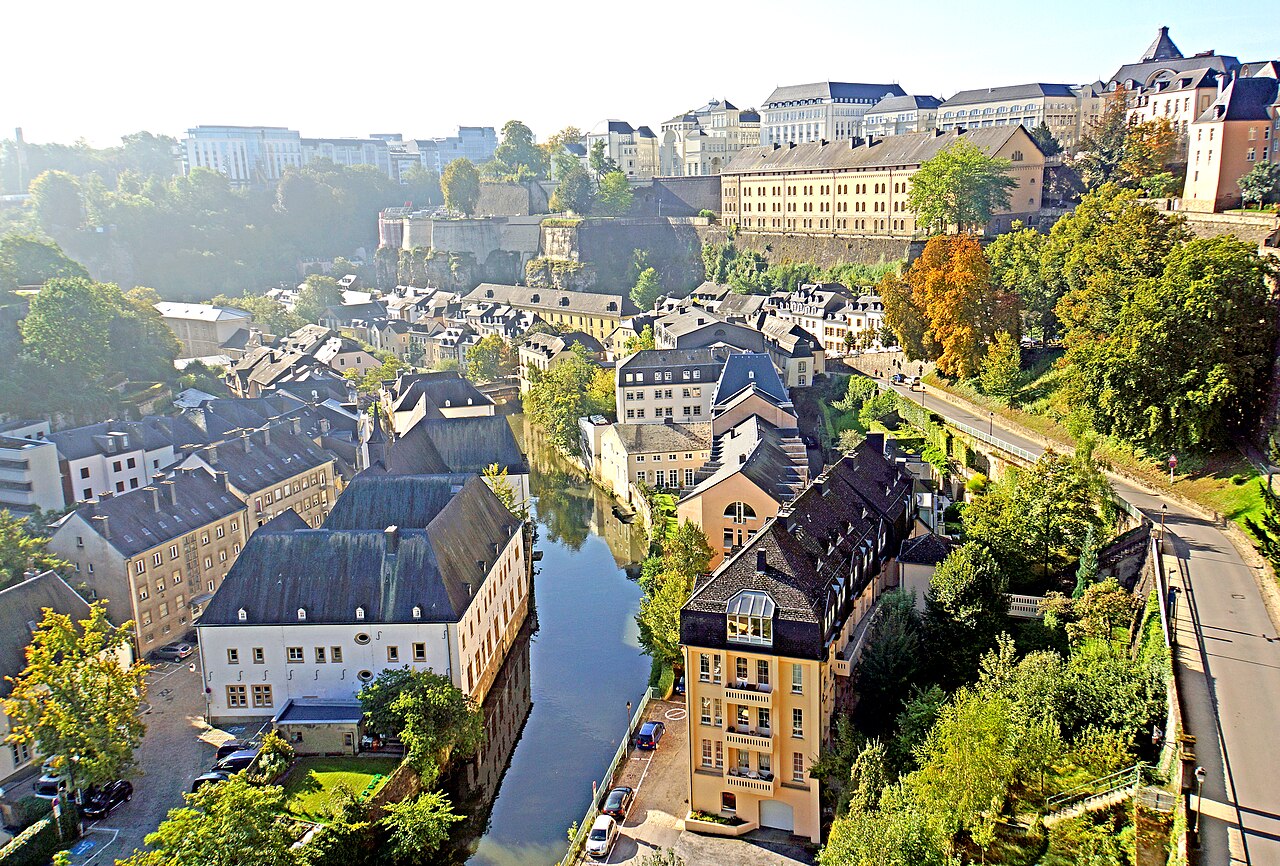
The Grund, beside the river, is the best area for atmosphere, with terraces in summer and cosy pubs in winter. The streets around the Place d’Armes and the Fish Market have a mix of brasseries, bistros and restaurants, from traditional Luxembourgish cooking to Italian, Portuguese and Asian cuisine, reflecting the many communities that live in the country. The station district has some of the best-value meals, with a lively Portuguese influence, and Kirchberg’s restaurants cater to the business lunch crowd. Many restaurants close on Sunday evenings or Mondays, so check before you walk across town.
Eating well on a budget
Lunch is usually the bargain. Many restaurants offer a set menu at midday that costs noticeably less than the same kitchen’s dinner. Bakeries sell sandwiches and savoury pastries, and markets in the upper town offer fresh fruit and picnic supplies. Tap water is safe and often served free, and service is included in the bill, so tipping is optional, though rounding up is appreciated.
Food tours and Christmas markets
If you want a guided introduction, a walking food tour of the old town is an efficient way to try several dishes and hear the stories behind them, and it works well early in a trip so you can follow up on your favourites. In late November and December the Christmas markets fill the squares with stalls selling sausages, fritters, mulled wine and sweets, and the city lights up in a way that makes even a cold evening feel festive.
A simple plan
Start with coffee and a pastry on a café terrace, have a traditional lunch in the Grund, take a crémant aperitif at sunset on the Corniche and finish with a bistro dinner in the upper town. Add a wine tasting if you have a spare afternoon, and you will have tasted the country in a few days.