Three days is the sweet spot for Luxembourg City. It is long enough to see the fortress quarters properly, to slip into a museum or two and to spend a day in the green countryside that surrounds the capital, yet short enough that you never feel rushed. The plan below balances walking, history and downtime, and it respects the quirks of the calendar: many museums close on Mondays or Tuesdays, and the castles in the Ardennes keep shorter hours outside the summer months. Public transport is free across the country, so you can mix and match without worrying about tickets.
Before you start
Base yourself in the upper town for atmosphere or near the station for transport, and pack shoes with grip, since almost every sight involves cobbles, steps or slopes. Book a Bock Casemates slot ahead if you plan to go at a weekend, and decide early whether you want your third day in the Mullerthal or at Vianden, because that choice shapes the rest of the trip.
Day one: the Old Town and the Corniche
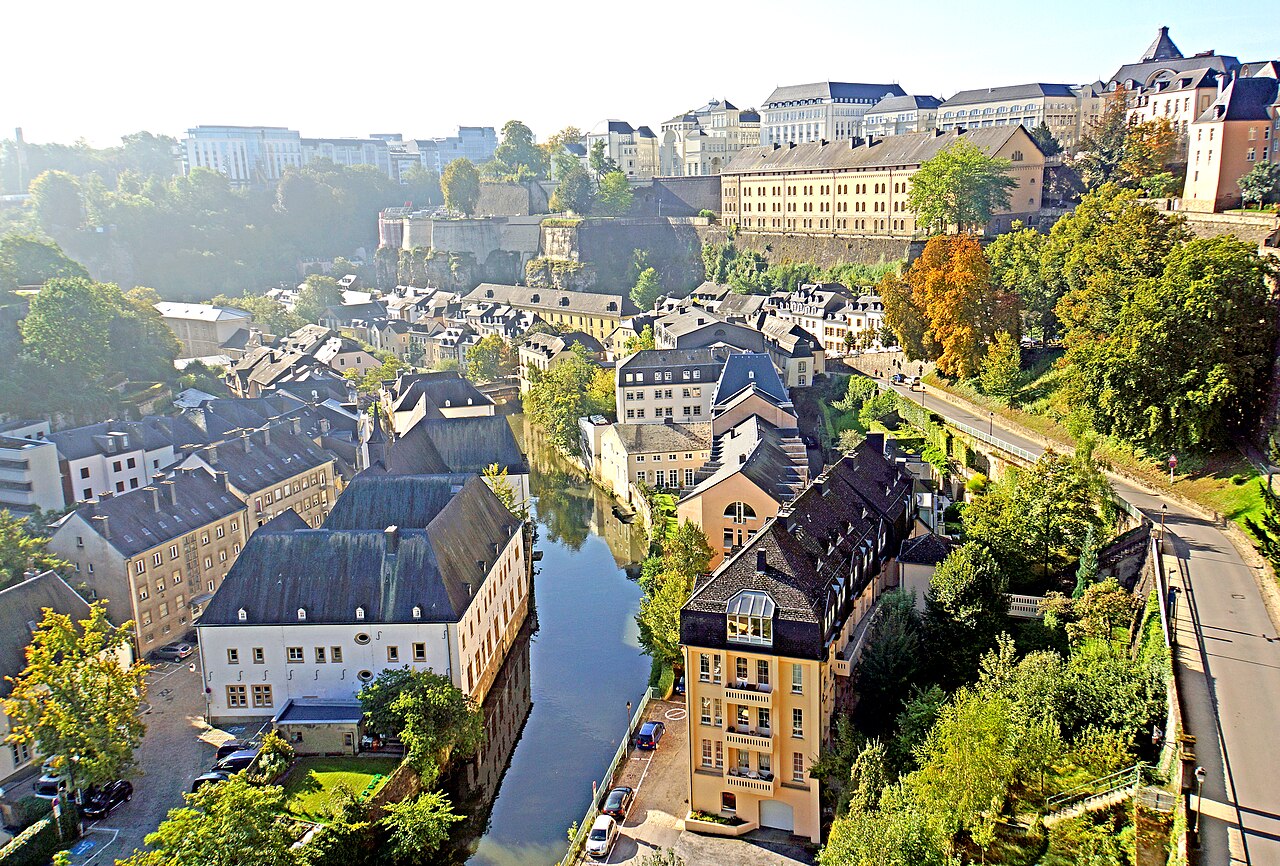
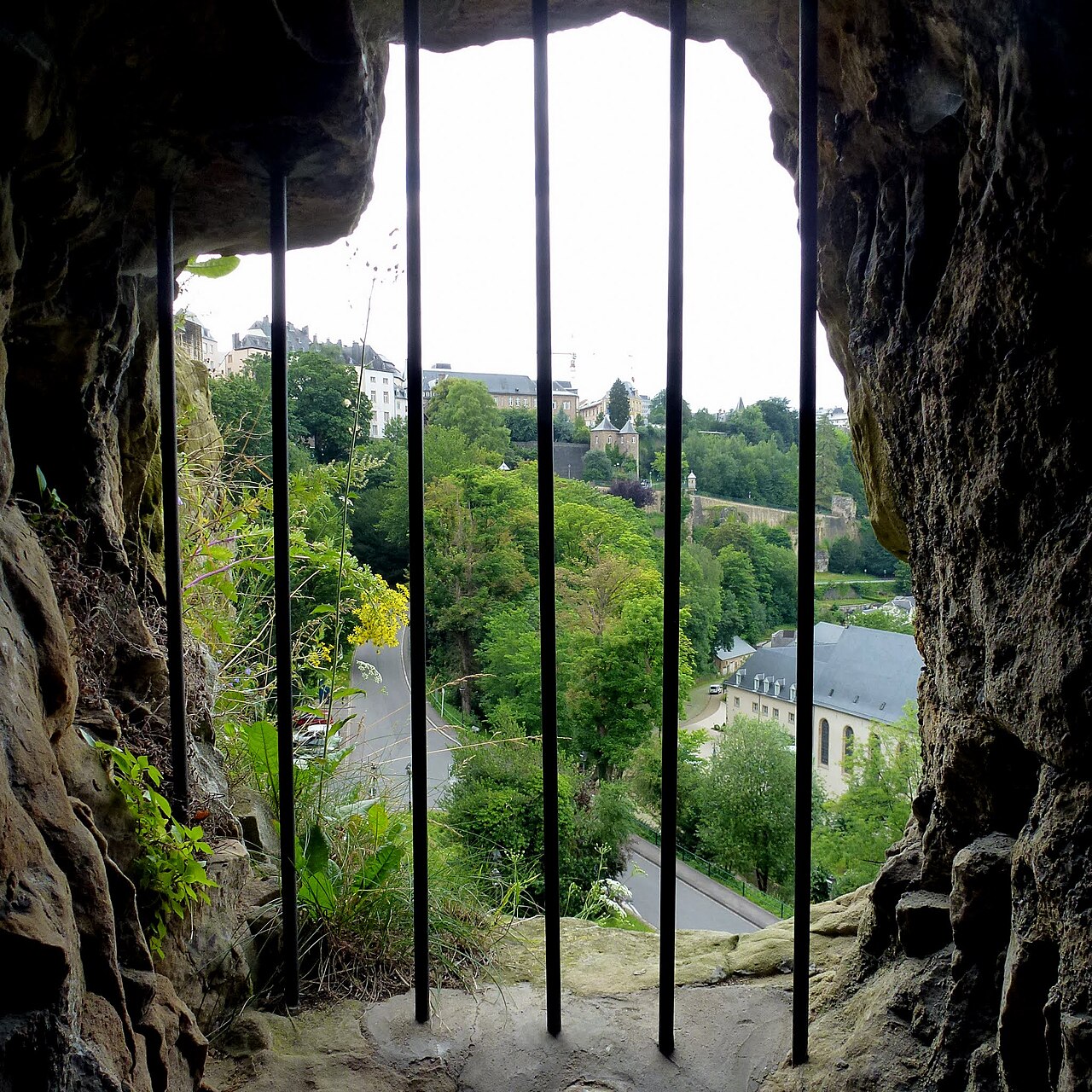
Start on the Place d’Armes with coffee, then walk past the Grand Ducal Palace to the Place Guillaume II and the cathedral of Notre-Dame, which is free to enter. Continue along the Chemin de la Corniche, the long balcony above the Alzette valley, for the best views in the city. At the end of the promenade, take a guided tour of the Bock Casemates, where tunnels cut into the rock explain why Luxembourg was known as the Gibraltar of the North. Walk down into the Grund for a late lunch beside the river, and return to the plateau by the free public lift. In the evening, wander back through the old streets and have dinner on one of the squares.
Day two: valleys and museums
Begin in the Pétrusse Valley. Start near the Place de la Constitution, where the golden Gëlle Fra stands on her column, drop to the valley floor and walk beneath the Adolphe Bridge, then climb back to the old town. Visit the Nationalmusée um Fëschmaart, whose permanent collection is free and runs from prehistory to the present. After lunch, take the free tram over the Red Bridge to Kirchberg. Mudam’s glass-and-limestone building makes an excellent afternoon, and the Dräi Eechelen museum next door tells the story of the fortress. The ramparts around the old fort give you a view back towards the skyline that is hard to beat. If it rains, swap the valley walk for the City Museum or Villa Vauban, and remember that some museums close on Mondays and Tuesdays.
Day three: choose your countryside
Public transport reaches all of these, though a guided day trip saves planning. For history and fairy-tale views, head for Vianden Castle in the Our valley. For forests and rock formations, spend the day in the Mullerthal, combining Larochette Castle, Beaufort Castle and a short section of the Mullerthal Trail. For a calmer, cultural option, go to Echternach, where the basilica and abbey sit in a charming medieval town. Whichever you choose, leave the city after breakfast, carry water and a picnic or plan a long village lunch, and check the return bus times before you set off, as regional services thin out in the evening.
Evenings
Luxembourg is a town of long dinners rather than late nights. Try a traditional dish such as smoked pork collar with broad beans, a plate of Luxembourgish dumplings or river trout in Riesling sauce, and sample a glass of Moselle crémant. The Grund and the Place d’Armes are lively on warm evenings, while the Pfaffenthal panoramic lift and the Corniche are beautiful after dark.
Practical notes
The weather is changeable, so carry a light waterproof. The upper town is compact, but the gorges mean every route has a climb. Card payments are accepted almost everywhere. The Grand Ducal Palace can be visited on guided tours only in summer, so if you want to go inside, check the dates before you travel. Keep Monday for sights that are outdoors and free, such as the Corniche, the cathedral and the valleys, and keep a flexible hour or two each day for a café, because that is part of the pleasure.
If you have a fourth day
Add a trip to the Moselle wine villages for a tasting, or cross the border by train to Trier in Germany or Metz in France. Both are an easy rail journey away and make a very different counterpoint to the fortress capital.