Lyon rewards first-time visitors who give it a little more time than a stop between Paris and the south. It is compact, walkable and easy to read: two rivers, the Saône and the Rhône, two hills, Fourvière and the Croix-Rousse, and between them the Presqu’île, the long peninsula that holds the grand squares and shopping streets. Add some of the best eating in France and you have a city that feels generous at every turn. Here is how to plan it.
How many days
Two full days cover the essentials: Vieux Lyon and its traboules, Fourvière Basilica and the Roman theatres, the Presqu’île, a river cruise and a long bouchon lunch. Three days is the sweet spot, adding the Musée des Confluences, Les Halles Paul Bocuse and the Croix-Rousse. With four you can take a day trip, such as the Royal Monastery of Brou in Bourg-en-Bresse or the vineyards of the Beaujolais.
What to book ahead
Restaurants are the thing to book first: the best bouchons and the city’s famous tables fill up, especially at weekends. The Saône dinner cruise and ECLIPSO’s VR sessions are timed and worth reserving. If you buy the Lyon City Card, book its included guided tour and the Fourvière rooftop tour as soon as you have your card number, because places are limited. Day tours to the Beaujolais are best booked a few days ahead.
Watch the closing days
Many museums, including the Musée des Confluences, close on Mondays outside the school holidays, so plan Mondays around Fourvière, Vieux Lyon, the Aquarium and the Musée Cinéma et Miniature, which stay open. Many merchants at Les Halles also rest on Mondays, and some bouchons close on Sundays. The public traboules are open from 7:00 to 19:00.
The Fête des Lumières
For four nights in early December, from 5 to 8 December 2026, Lyon turns into an open-air gallery of light installations, and on 8 December residents put candles called lumignons in their windows, a tradition that began in 1852. Around two million people come, so book hotels months ahead, expect road closures and crowded metros, and know that river cruises may be altered that week. The projection on Fourvière Basilica returns from 26 to 31 December, a calmer way to see it.
Getting around
Walk as much as you can: the Presqu’île, Vieux Lyon and the riverbanks are all close together, linked by footbridges over the Saône. The TCL network of metro, tram and bus fills the gaps, and the F2 funicular climbs from Vieux-Lyon station to Fourvière in a couple of minutes. The Lyon City Card covers all public transport, and Vélo’v bikes are everywhere. From the airport, the Rhônexpress tram runs to Part-Dieu station.
Day one: the hills and the old town
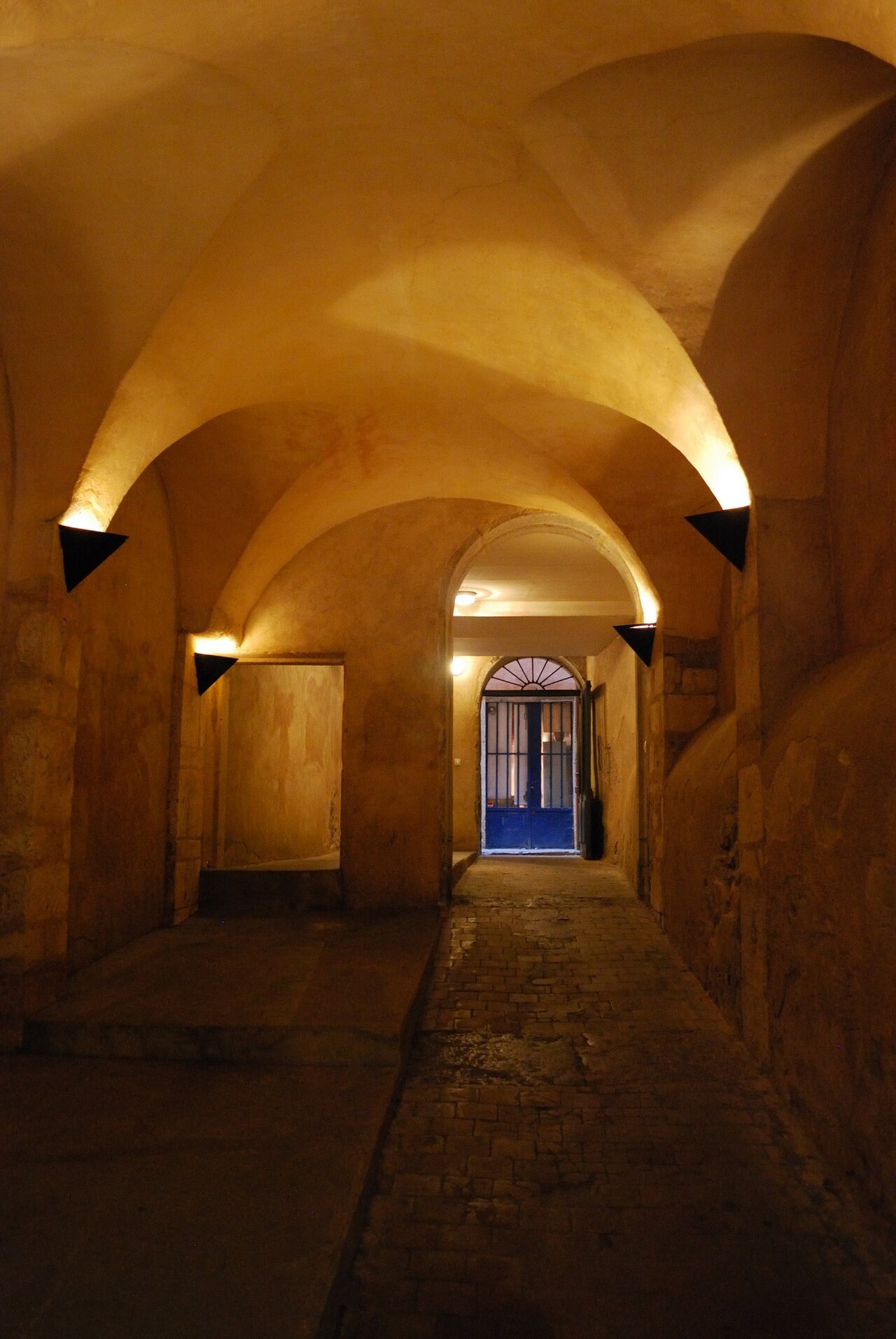
Ride the funicular to Fourvière in the morning for the view and the mosaics, walk down past the Roman theatres and through the Rosaire gardens, and spend the rest of the morning in the traboules of Vieux Lyon. Lunch in a bouchon, then cross the footbridge for an afternoon Saône cruise and an evening stroll across Place Bellecour.
Day two: food and the Confluence
Start at Les Halles Paul Bocuse for oysters and pastries at a counter, then take the tram to the Musée des Confluences for the afternoon. If you have energy left, add an ECLIPSO VR experience nearby, or treat yourself to the evening dinner cruise.
Day three: the Croix-Rousse or a day trip
Climb the slopes of the Croix-Rousse, the old silk weavers’ hill, with its own traboules and views, or catch a morning train to Bourg-en-Bresse for the Monastery of Brou.
Money and manners
France uses the euro and cards are widely accepted. Service is included in restaurant bills, though leaving a little extra for good service is appreciated. In a bouchon, try quenelles, saucisson brioché and a pot of local wine, and say bonjour when you walk into any shop.