A Maasai Mara safari has a reputation for being expensive, and the luxury end of the market certainly is. But Kenya also has a well-developed network of group safaris and budget camps that make the reserve accessible to many more travellers. This guide explains how to save money without sacrificing the experience.
Choose a group joining safari
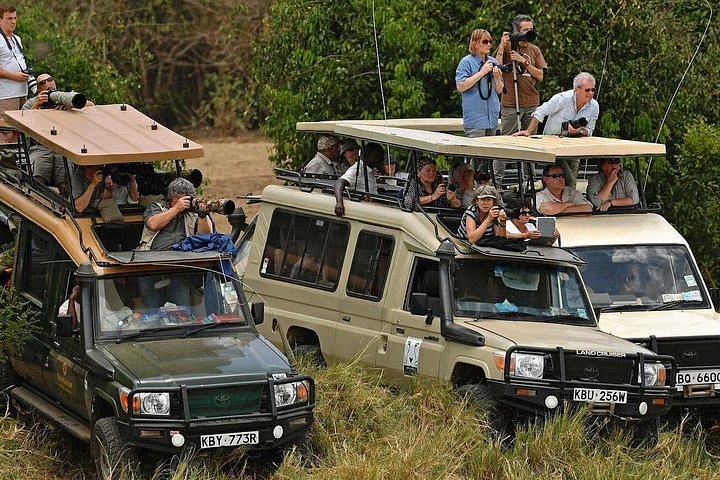
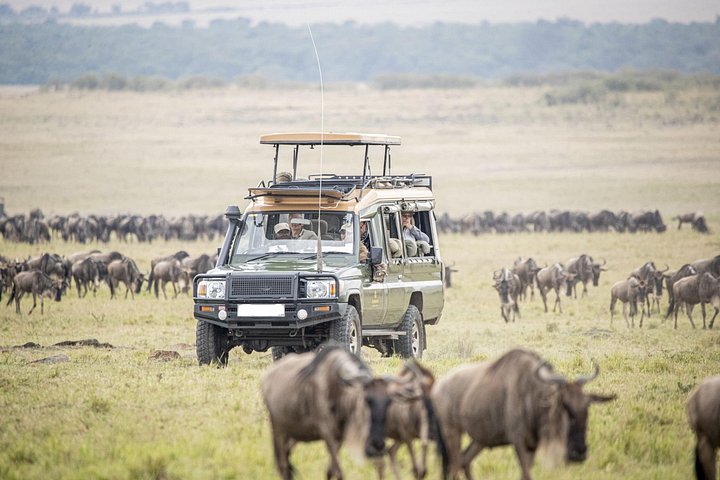
The biggest saving comes from sharing a vehicle and guide with other travellers on a fixed itinerary, usually departing from Nairobi on set days. Costs are split across the group, and the trip includes transport, a guide and accommodation. Look for small groups with a capped number of passengers so that everyone has a window seat, and read recent traveller feedback on the guide and vehicle.
Consider camping
A camping safari replaces lodge rooms with tents at a campsite near the reserve, with simple facilities and meals prepared by a cook. It is the cheapest way to spend nights near the Mara and suits adventurous travellers. You trade comfort for cost, and you should pack warm layers, a torch and earplugs. For many people, sleeping to the sounds of the bush is part of the appeal.
Travel in the shoulder or green seasons
Prices and fees rise sharply between July and December, so a trip from January to June is usually cheaper, and the plains are green and quiet. The long rains in April and May offer the lowest prices of the year, with the trade-off of muddy roads and some closures. If the migration is not your priority, going outside the peak can save a great deal.
Check what is included
Two tours with similar headline prices can differ widely. Ask whether the reserve fee is included, which is a significant daily cost, as well as meals, drinks, bottled water, airport transfers and the village or balloon extras. A cheap price that excludes the park fee may end up costing more than a pricier all-in tour. Compare like with like.
Think about distance and time
The road trip from Nairobi takes five to six hours each way, so a two-day trip leaves little time in the reserve. Three days is the practical minimum for a budget road safari, and four days gives you much better value per day. If you fly, you save time but spend more on the ticket, so for tight budgets the road is usually the answer.
Pick budget lodges and gate camps
Simple camps and lodges near the Sekenani or Talek gates offer comfortable rooms at a fraction of the cost of luxury camps. Some, such as small camps next to a gate, are well placed for early starts and have a basic spa or Wi-Fi at a modest price. Staying at the edge of the reserve rather than inside a conservancy keeps fees down.
Skip the add-ons you do not need
Balloon flights and private drives are the most expensive extras, and a good guide with a pop-up-roof vehicle can deliver excellent wildlife viewing without them. If you want one splurge, a balloon flight on its own is often a better use of money than upgrading every night. A Maasai village visit costs little and adds cultural context.
Tipping and extras
Budget for tips for your guide and camp staff, souvenirs, drinks and any visa or entry costs. Bring cash in small notes, since card machines are not available everywhere. Bring your own snacks and a refillable water bottle to reduce spending on the road.
Spend smart, not less
The aim is not to cut every cost but to pay for what matters: a good guide, a reliable vehicle and enough nights. Read recent feedback, ask clear questions and book with a reputable operator. A well-chosen budget safari can be one of the best-value wildlife trips in the world.
Watch for hidden costs
Typical extras include entry to the Mara Triangle or a conservancy, village visit fees, drinks at camp, laundry and tips. Ask for a full list of exclusions in writing and add a small buffer to your budget so that nothing spoils the trip.
Travel insurance
Make sure your policy covers medical care, evacuation and trip changes, since you will be far from hospitals and flights can be disrupted. A small cost can save a large bill.