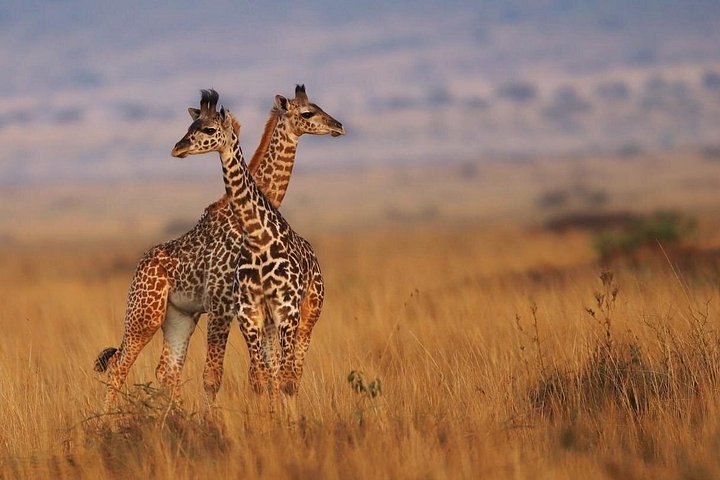
The Maasai Mara is the safari destination most people picture when they think of Africa: open golden grassland, acacia trees, lions resting in the shade and vast herds moving across the horizon. Kenya’s great reserve is easier to visit than many first-timers expect, but a little planning makes the difference between a rushed road trip and a trip you remember for life. This guide covers the decisions that matter most for a first visit.
How to get there
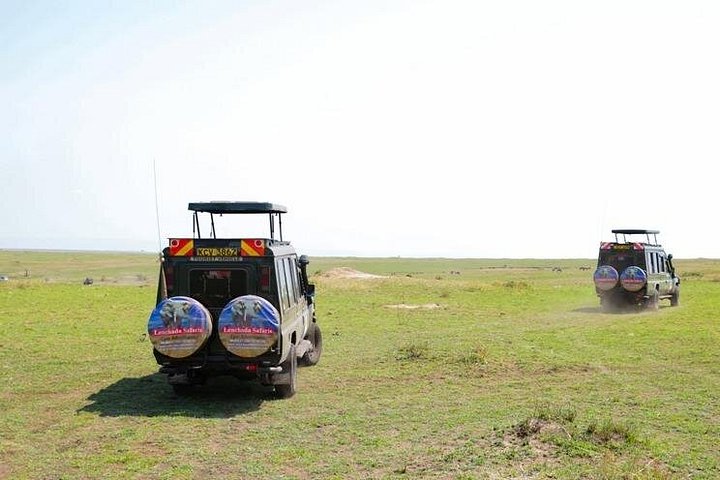
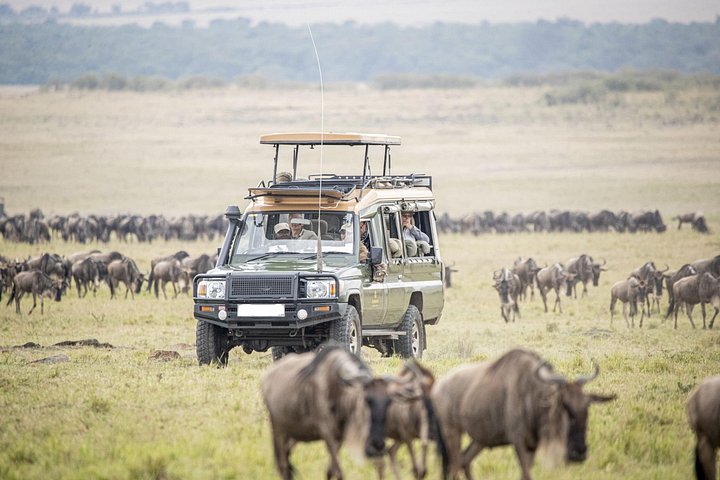
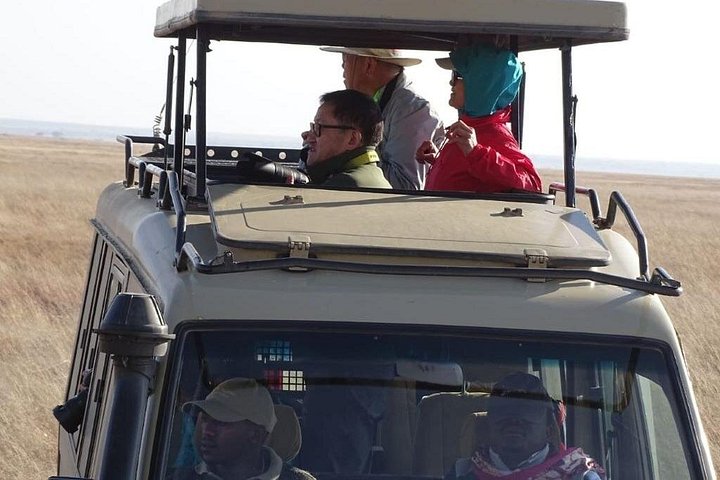
The reserve is in south-west Kenya, about five to six hours by road from Nairobi, with the final stretch on rough tracks. Many visitors take a road safari with a tour operator, which is the cheapest option, while others fly from Nairobi’s Wilson Airport to one of the airstrips near the reserve, a flight of under an hour that gives you more time on the ground. If you drive, choose a four-wheel-drive vehicle with a pop-up roof and an experienced driver-guide, and expect an early start.
How many days
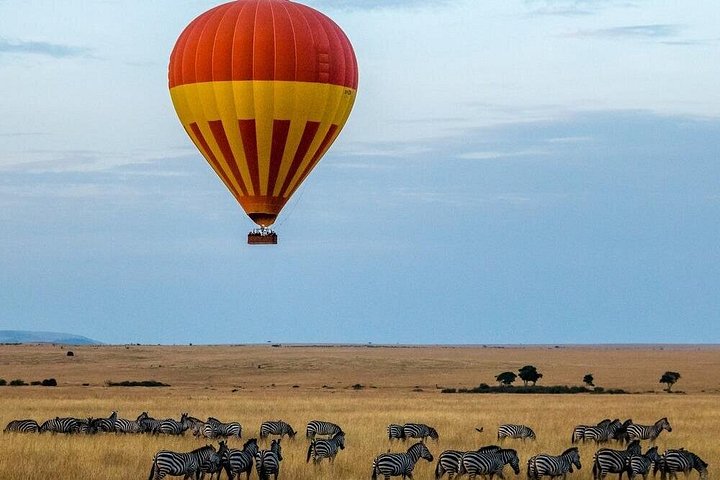
Three days and two nights is the practical minimum by road, which gives you an afternoon drive on arrival, a full day in the reserve and a morning drive before heading back. Four or five nights is far better, because you can spend a full day at the Mara River, try a different sector and add an activity such as a balloon flight or a Maasai village visit. A day trip from Nairobi is possible, but most of the day is spent travelling.
Group, private or camping
A small-group shared safari is the best value for most first-timers, as you split the cost of the vehicle and guide with other travellers. A private safari gives you control of the schedule but costs far more. A camping safari is the cheapest way to spend nights near the reserve, with simple tents and shared facilities. Whichever you choose, ask how many guests share each vehicle, whether every guest has a window seat and exactly what is included.
Fees and costs
The reserve charges a daily fee per person, which is higher in the July to December high season than in the first half of the year, with lower rates for children, and some tours include it while others do not. The Mara Triangle in the west is managed separately and uses cashless payment, and the private conservancies charge their own fees. Rates change, so check the current figures with your operator. Budget also for tips for your guide and camp staff, which are customary.
Where to stay
Lodges and camps range from simple tents to luxury suites. For a first visit, a mid-range tented camp near one of the main gates puts you close to the wildlife without a long transfer each morning. If you want something more exclusive, a conservancy camp offers off-road driving, walks and night drives. Book early for the migration months from July to October, when the best rooms near the river fill quickly.
What you will see
The Big Five are present, although rhinos are rare and shy. Lions, elephants, buffalo, giraffes, zebras, hippos and crocodiles are common, cheetahs are best on the open plains and leopards are found in riverine trees. The Great Migration brings more than a million wildebeest to the Mara from roughly July to October, with river crossings the highlight. Even outside those months the resident wildlife is superb.
How a safari day works
Days start before dawn, with tea or coffee and a game drive while the animals are active. You return for breakfast and rest through the heat, then head out again in the late afternoon until the light fades. Vehicles must stay on the tracks inside the reserve, and drivers talk by radio to share sightings. Patience is rewarded: some of the best moments come after an hour of waiting beside a quiet bush.
What to pack
Bring layers, because mornings are cold and middays are hot, a hat, sunscreen, binoculars and a camera with a zoom lens. Neutral colours such as khaki and olive are best, and soft bags fit better in vehicles than hard suitcases. Pack insect repellent, any medication you need and a power bank, since charging can be limited. Check entry requirements and health advice well before you travel, as rules change.
Safety and respect
Follow your guide’s instructions without exception: stay inside the vehicle, keep voices low, never feed animals and do not leave camp at night without an escort. Treat Maasai communities with courtesy, ask before taking photographs and buy crafts directly from the makers where you can. A responsible visit helps keep the Mara wild.
Making the most of it
Choose a good guide, read recent traveller feedback, keep your itinerary flexible and give yourself enough nights. If you have a particular wish, whether big cats, a migration crossing or a balloon flight, tell your operator at the start. Many first-timers say the Mara exceeded their expectations, and many return for a second trip.