Three days and two nights is the classic first Maasai Mara trip, and with good planning it is enough to see the highlights. This sample itinerary assumes a road safari from Nairobi, with notes on how to adapt it if you fly. Times are approximate, and your guide will adjust them to the animals and the weather.
Day one: Nairobi to the Mara
Leave Nairobi early, ideally by 6.30 in the morning, and drive through the Great Rift Valley, stopping at the viewpoint for panoramic photographs. The road passes through Narok, where you can buy water and snacks, and the final part is on dirt tracks to your camp. Expect to arrive around lunchtime, check in and rest briefly. In the late afternoon head out on your first game drive, when the light is soft and animals are active. Look for lions, elephants and herds of plains game. Return at dusk for dinner and an early night.
Day two: a full day in the reserve
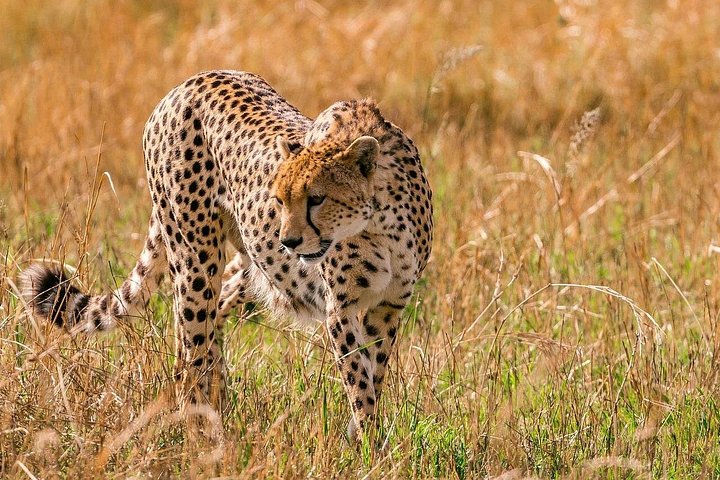
This is the heart of the trip. Set out at first light with a flask of coffee, because dawn is the best time for predators. Spend the morning on a long drive, perhaps towards the Mara River or the Musiara Marsh, depending on where your guide has heard that cats or herds have been seen. Have a packed breakfast or return to camp for a meal, then rest through the hottest hours. In the afternoon, drive to a different sector, such as the open plains for cheetahs, or to the river for hippos and crocodiles. If you are visiting between July and October, ask your guide to check the crossing points.
Day three: morning drive and return
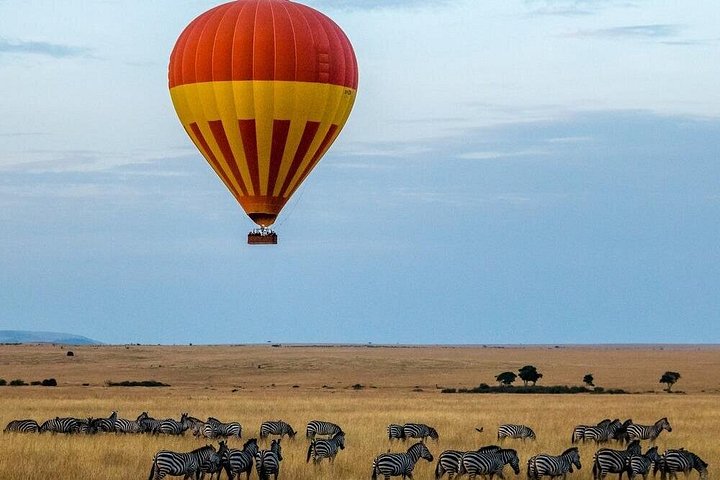
Wake early for a last short game drive before breakfast, since the light and wildlife are at their best. After breakfast, check out and begin the long drive back to Nairobi, stopping for lunch on the way. Plan to arrive in the early evening, and avoid scheduling an onward flight the same night. If you want to add a balloon flight, schedule it for this morning so you can return to camp for breakfast, or give it its own day in a longer trip.
If you fly
Flying from Nairobi’s Wilson Airport takes under an hour and lands you at an airstrip near your camp, usually in time for a late-morning game drive. This gives you two extra drives compared with a road trip, so a flying trip of three days feels like a four-day road safari. It costs more, but the time saved is worth it for many visitors.
Choose your sectors
Even in three days you can sample more than one area. The northern reserve around Musiara and Talek is known for big cats, the Mara River provides dramatic scenes, the open central plains suit cheetahs and the Mara Triangle in the west offers quiet roads. Discuss your priorities with your guide on the first evening, and be ready to change plans if a good sighting is reported.
What to pack for three days
Bring a small duffel bag rather than a hard suitcase, warm layers for dawn, a sun hat and sunscreen, binoculars, a camera, a power bank and any medication. Wear closed shoes and neutral colours. Tip envelopes for your guide and camp staff are a good idea, as well as small notes for crafts and snacks.
Making three days feel longer
Sleep in the car during transfers, eat well and stay hydrated. Ask your guide to wait with sightings rather than moving on quickly, because the best viewing often comes with patience. Take time at camp to listen to the night sounds, and watch the sunset from your tent. A little rest between drives helps you stay alert.
Should you extend?
If you can, add a fourth night. It gives you another full day, time for a Maasai village visit or a balloon flight, and a more relaxed pace. A fifth night allows a visit to a conservancy for a walk or a night drive. But if three days is all you have, you will still see the Mara’s magic: wide plains, big skies and wildlife in numbers few places can match.
A note on flexibility
Treat this plan as a template rather than a rule. Safari guides share news by radio, and a report of a hunt or a leopard in a tree may change the day. Be ready to skip a planned stop, and remember that the best sightings often come when you stay put and watch.