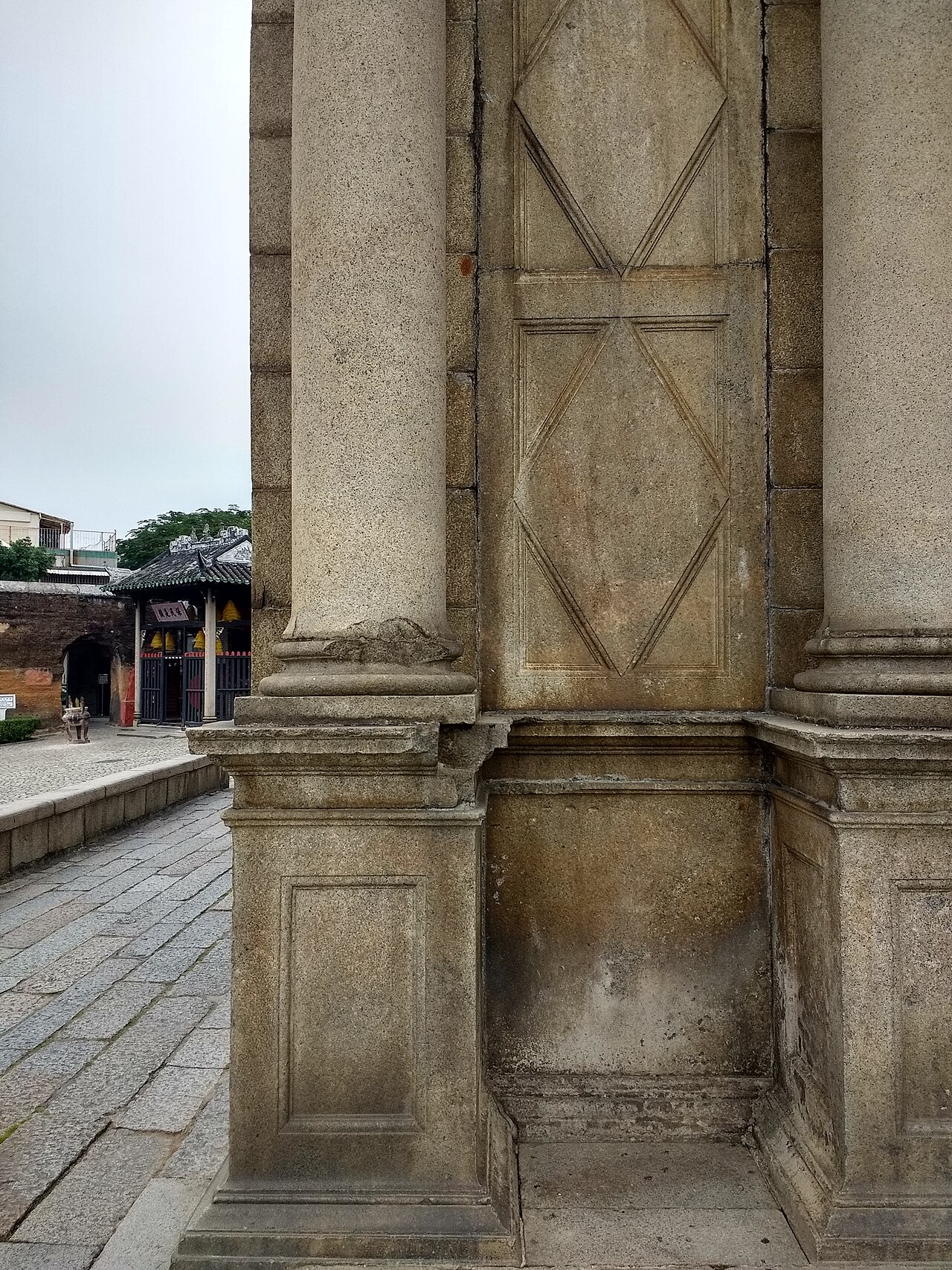
The Ruins of St. Paul’s are the best-known image of Macau: a tall, intricately carved stone facade standing at the top of a wide staircase, with nothing behind it but sky. The facade is all that remains of the Church of Mater Dei, part of the Jesuit St. Paul’s College, built in the early 17th century and destroyed by fire in 1835. The carvings mix European and Asian ideas, with saints, angels, a ship and Chinese characters sharing the same stone, which is why the monument is so often described as a meeting of east and west. It belongs to the Historic Centre of Macao, which was inscribed on the UNESCO World Heritage List in 2005. Visitors can climb the steps, walk around the platform, and look through the empty doorways at the sky. There is no entry fee, and the monument is at its best early in the morning or in the evening, when the stone is lit.
How to visit
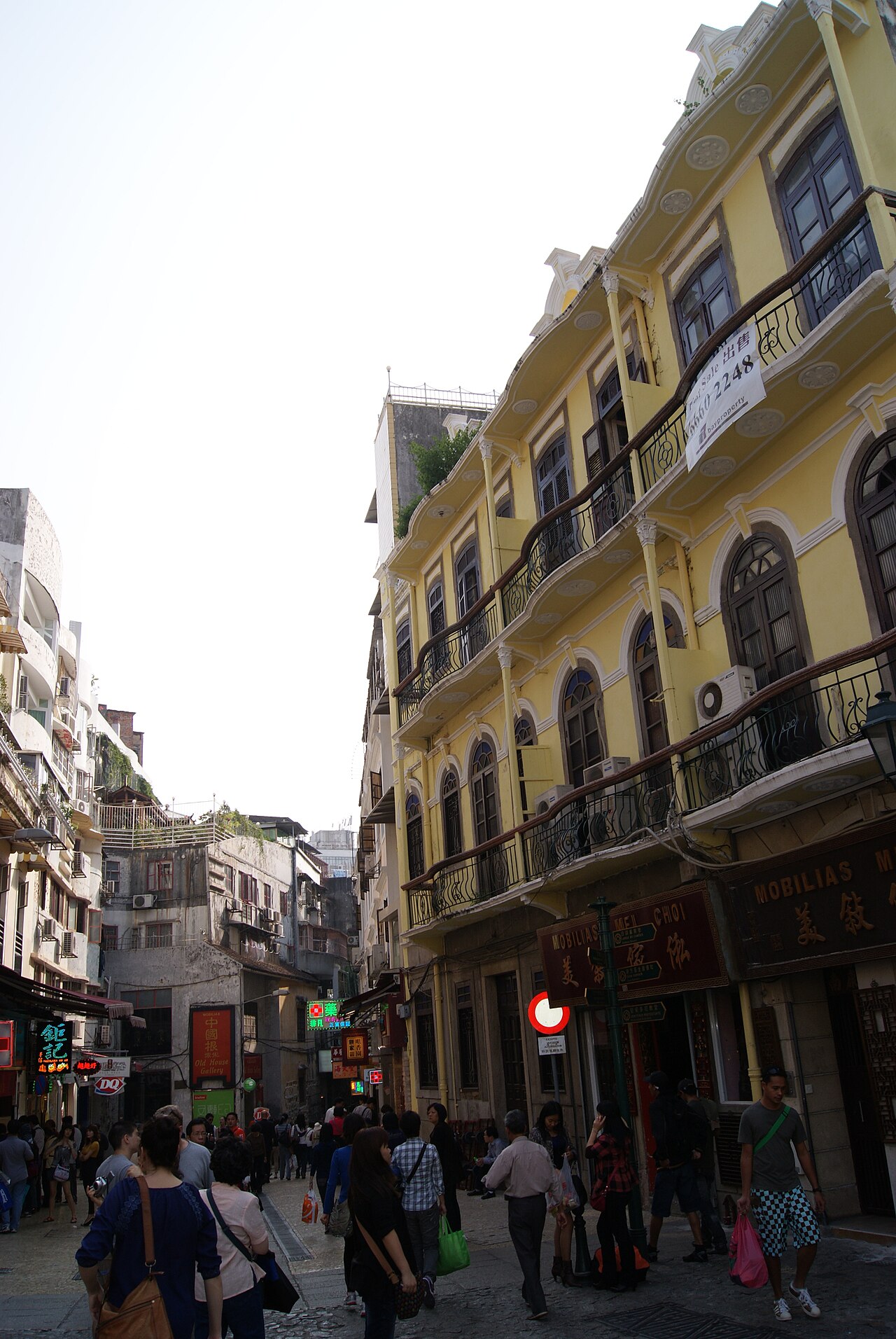
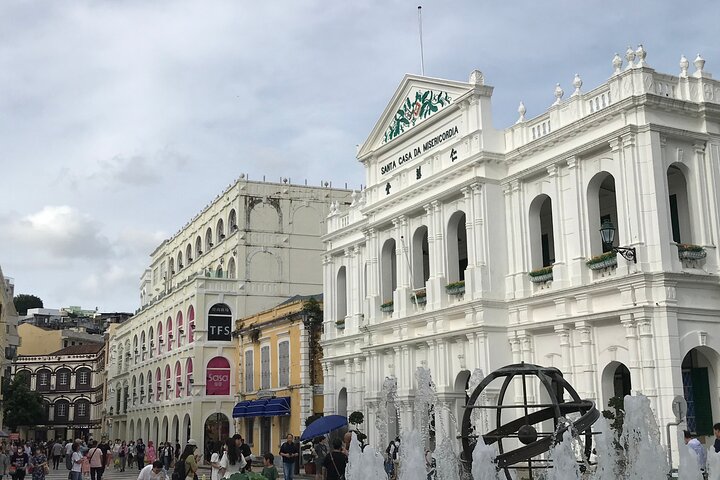
The ruins are on the Rua de Sao Paulo, a short, shop-lined walk uphill from Senado Square, which takes about ten minutes at an easy pace. The facade is open to the public without a ticket, and the staircase and platform are accessible at any time that the surrounding area is open. Because it is a very popular site, expect crowds in the middle of the day, particularly with tour groups. The streets around it have egg tart shops, almond biscuit sellers and souvenir stalls.
What to expect
You can climb the staircase, take photographs from the platform and walk around the back, where a small area of excavated foundations is visible. A museum devoted to sacred art and a crypt sits beside the ruins, and the Fortaleza do Monte, a former hilltop fortress that now holds the Macao Museum, is a short walk up the hill. The visit itself can be quick, about 20 to 30 minutes, but most people combine it with the surrounding sights.
Making the most of it
Arrive soon after opening time for the area or after dinner when day-trippers have left, and the facade is floodlit. Wear comfortable shoes, because the street and steps are cobbled, and carry water in summer. If you want the story behind the carvings, a local guide can add a lot, and the neighbouring museum is a good complement.
Good to know
Please stay on the marked areas, avoid climbing on the stonework and take care on the steps when wet. Macau’s pavements and slopes can be hard going for wheelchairs, though the approach from Senado Square is gradual.
What to expect
The experience
A free, self-guided visit to the carved facade and staircase of a 17th-century church, with a short walk through the streets around it.
Best time
Early morning or after the tour groups leave in the evening, when the stonework is lit.
How long
20 to 30 minutes at the monument, or an hour with the nearby museum and fortress.
Tips
Wear comfortable shoes for cobbles and steps, carry water in summer, and combine it with Senado Square on the same walk.
Quick picks
- Best for
- Every first-time visitor, and anyone who wants to see the symbol of Macau.
- Families
- Free, short and photogenic, with egg tarts and biscuits on the street below as an easy reward.
- Couples
- Go in the evening when the facade is lit and the crowds have thinned.
- Pair with
- Senado Square on the way up, and the Macao Museum at the fortress above.
- Time needed
- Allow 30 to 60 minutes.
Good questions
Is there an entry fee for the Ruins of St. Paul’s?+
No, the facade and staircase are free to visit and open to the public. A nearby museum of sacred art has its own opening hours and admission rules.
What are the Ruins of St. Paul’s?+
They are the facade of the Church of Mater Dei, part of the Jesuit St. Paul’s College, built in the early 17th century and destroyed by fire in 1835. The facade is the best-known landmark of Macau.
How far is it from Senado Square?+
It is a short walk of about ten minutes, uphill along Rua de Sao Paulo. The route is lined with shops, snack stalls and cafes.
When is the best time to avoid crowds?+
Early morning and the evening are the quietest times. Midday is busiest, especially when tour groups arrive.
Is the site wheelchair accessible?+
The approach from Senado Square is a gradual slope, but the staircase itself is not step-free. Cobbled streets can be hard going, so plan a taxi to the foot of the monument if needed.