Madeira is often called the island of eternal spring, and the reputation is mostly deserved. The Atlantic keeps temperatures mild all year, with little of the extremes found in mainland Europe. But the island has many climates in one, and the season you choose changes what you can do and see. The south coast around Funchal is sunnier and drier than the north, the mountains are cooler and often cloudy, and the east is drier than the west. Here is how to think about timing.
Spring: flowers and fresh air
From March to May, the island turns green and bright, with jacaranda, bougainvillea, agapanthus and countless garden flowers in bloom. The spring Flower Festival fills Funchal with floral displays and parades, and the weather is warm enough for sightseeing without the heat of summer. The mountains can still be cool and showery, and some trails may be wet, so pack layers. It is a popular time for walkers and gardeners, and hotels fill early around the festival, so book ahead.
Summer: sun, sea and crowds
June to September is the warmest and driest time, with long days, calm seas and the best conditions for swimming, boat trips and the lava pools at Porto Moniz. It is also the busiest period, with the highest hotel prices and the most traffic on the roads. Mountain trails are at their driest, though early starts are important because afternoon cloud can build on the peaks. Sunshine on the south coast is reliable, but the north and the heights can still be misty. Book tours and restaurants ahead, and carry sun protection.
Autumn: calm and warm
September and October are an excellent compromise. The sea is at its warmest after the summer, the crowds thin and the weather is often settled, with warm days and mild evenings. Whale and dolphin watching is good, the light is soft for photography and walking is comfortable. By November, rain becomes more frequent, particularly in the mountains and on the north coast, and trails may be slippery or occasionally closed after storms, but Funchal usually stays mild and pleasant.
Winter: mild and festive
December to February is the quietest part of the year outside the holidays, with daytime temperatures in Funchal comfortable for sightseeing and lunch outdoors. It is a favourite for visitors from colder countries who want mild weather, gardens and gentle walks. The mountains, however, can be cold, wet and windy, with fog and occasional snow on the highest peaks, so plan hikes for mornings and keep a backup day. Days are shorter, so start early. The Christmas lights and the New Year’s Eve fireworks are famous and bring a surge of visitors, with hotels and restaurants booked up well in advance.
Festivals and events
The Flower Festival in spring, the Wine Festival around the harvest in late summer, the Atlantic Festival with fireworks in June and the Christmas and New Year celebrations all give a reason to time your visit. Local religious festivals occur throughout the year in villages across the island and are often accompanied by music, food and fireworks. Check dates before booking, since many events move from year to year.
For hikers
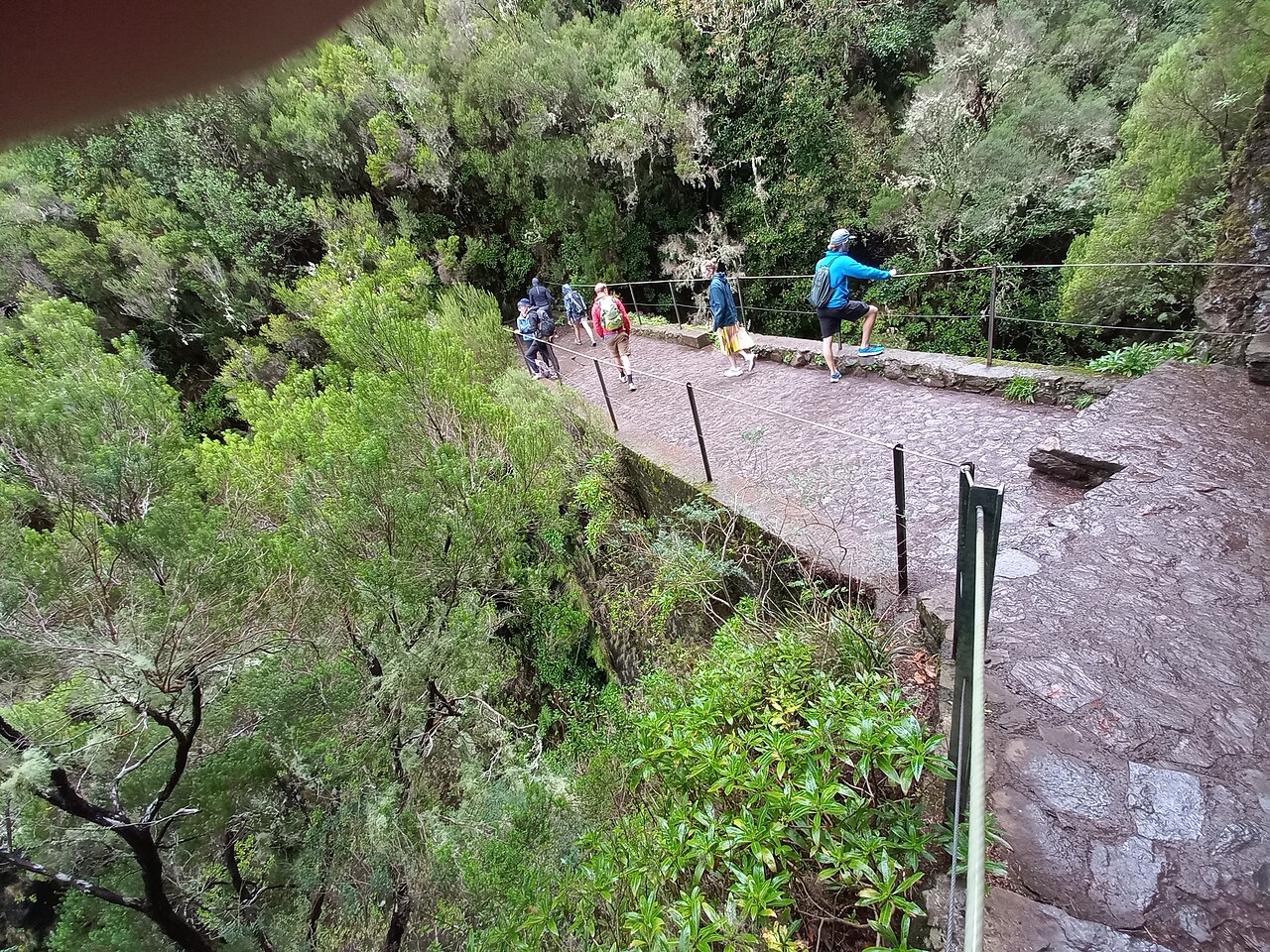
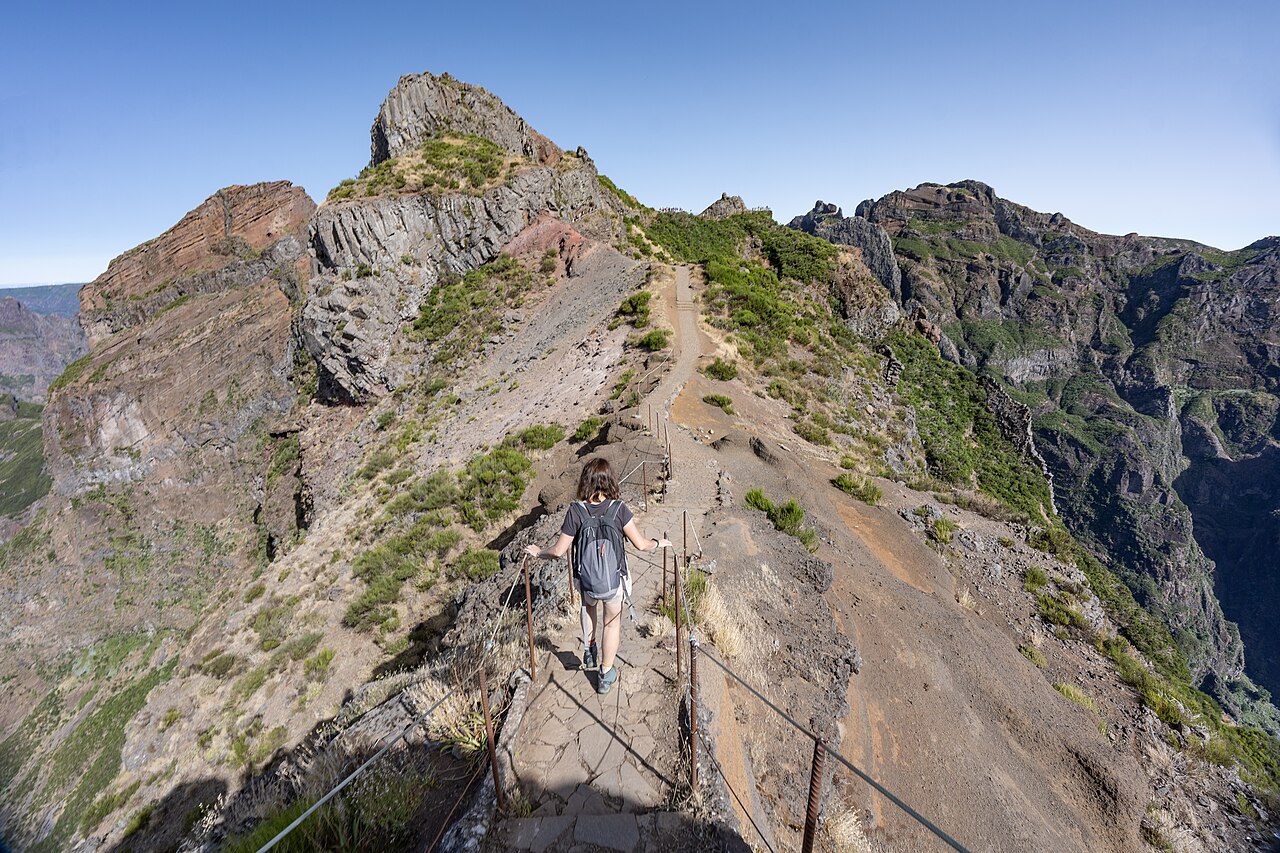
Spring and early autumn are generally the most comfortable seasons for walking, with milder temperatures and clearer views than winter. Summer is good for early-morning routes. Wherever you walk, check conditions locally, because trail closures after rain or landslides are not unusual, and some classified routes require advance registration.
For wildlife and the sea
Dolphins and pilot whales can be seen all year, with calmer seas in the warmer months. Swimming is pleasant from late spring to autumn, and the sea is warmest in early autumn. Snorkelling and diving are possible all year with suitable wetsuits.
For fewer crowds and lower prices
Late autumn and the weeks after New Year are usually the best value, with quieter sights and cheaper hotels. Early spring and late October are also relatively calm. If you must travel in peak periods, book accommodation, popular tours and restaurant tables well in advance.
Our pick
For a first visit, late April to early June, or September to mid-October, offers the best balance of warm weather, flowers, clear mountain mornings and manageable crowds. Whenever you come, pack layers, a waterproof jacket, good walking shoes and a swimsuit, and be flexible with your plans.