Madeira’s food is simple, bold and rooted in the island’s geography. The sea is deep and close, the hillsides are terraced with vegetables, bananas and vines, and the climate allows tropical fruit to ripen beside northern European crops. The result is a cuisine that rewards curiosity, especially for travellers willing to eat where locals eat. Here is a guide to the dishes, drinks and places that make a trip to the island taste as good as it looks.
Start with the market
The Mercado dos Lavradores in Funchal is the best introduction to island flavours. Wander the fruit stalls and try passion fruit, custard apple, small sweet bananas and the odd-looking fruta delicia, then go down to the fish hall to see tuna and the long, black espada, the black scabbard fish that appears on menus across the island. Ask prices before tasting, and buy a small bag of fruit to eat for lunch or for the day’s excursions.
Espetada
The signature meat dish is beef cubes threaded on a laurel skewer, rubbed with garlic and salt and grilled over wood, then hung from a hook above the table so the juices drip. It is usually served with fried corn polenta, salad and bolo do caco. Choose a restaurant where the skewers arrive sizzling and the portions are clearly for sharing. In the hills above Funchal, many family-run places are famous for it.
Fish and seafood
Espada is typically fried and served with a slice of banana or passion fruit sauce, an unusual combination that works surprisingly well. Fresh tuna is often grilled as a steak, and lapas, or limpets, are grilled in garlic and lemon butter and are a classic starter. Fishing villages such as Câmara de Lobos have simple harbour restaurants where the catch is the menu, and a plate of fish with boiled sweet potato and salad is a satisfying lunch.
Bread, soups and sweets
Bolo do caco is a round, flat bread cooked on a stone slab and served warm with garlic butter. It appears with almost every meal and is often the best thing on the table. Soups such as caldo verde and tomato and onion soup with an egg are hearty and cheap, and honey cake, bolo de mel, is traditionally made around Christmas and sold throughout the year. Fresh fruit desserts, particularly those made with passion fruit and custard apple, are often the best way to finish.
Poncha
The island’s national drink combines sugar cane rum, honey, sugar and citrus juice, mixed by hand with a wooden tool called a mexedor. The original is made with lemon, though versions with orange, passion fruit and tangerine are popular. It is stronger than it tastes, so take it slowly. Small bars in the old town and in fishing villages make some of the best, and a poncha workshop or bar-hopping evening is a fun way to learn.
Madeira wine
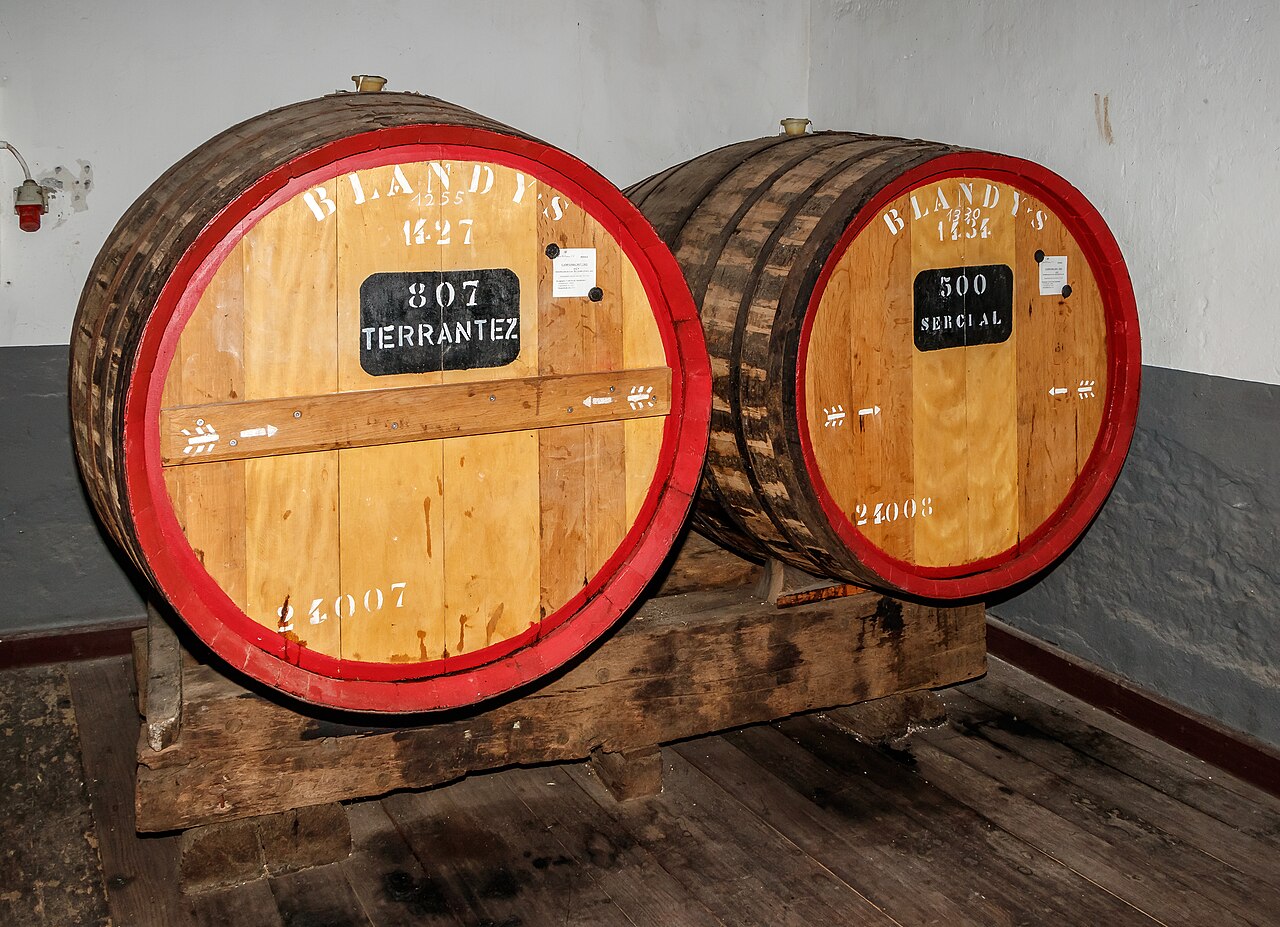
The island’s fortified wine is among the most distinctive and long-lived in the world. It is heated during ageing, which gives it its toasted, nutty character and exceptional longevity, and it comes in styles from dry to sweet, named after the grape: Sercial is driest, followed by Verdelho, Bual and Malvasia, the sweetest. A visit to a wine lodge such as Blandy’s in the old town offers a tour of the cellars and a tasting, and is one of the best-value experiences in Funchal. Younger wines suit cooking and casual drinking, while older bottlings are more complex and intense.
Local beer, coffee and more
Try a glass of Coral, the local beer, on a terrace in the sun, and ask for a galão or a bica in a café. In the north, you may find sugar cane rum distilleries that offer tastings, and in the wine-producing areas small producers sell local table wine in rustic bars.
Practical advice
Restaurants in Funchal’s old town can be touristy, so walk a few streets from the main squares to find better value. Lunch is the best time for good-value set menus, and dinners are often later than in northern Europe. Book ahead for popular places in busy seasons, and ask whether prices on menus include the bread, olives and other starters that arrive unasked. If you have dietary requirements, tell the staff early. Vegetarian and vegan options are increasingly easy to find, though traditional dishes are heavy on meat and fish.
A tasting day
For a simple foodie day in Funchal: market at 9am, a coffee and a pastry, a wine lodge tour before lunch, espetada in the hills or a harbour restaurant lunch in Câmara de Lobos, a rest by the pool, then poncha and a late dinner back in the old town.