Málaga is often called one of the sunniest cities in Europe, and with mild winters, hot summers and long, bright days in between, it is a place that works in every season. The best time to visit depends on what you want to do, how much heat you can stand and how much you mind crowds. Here is how the year looks.
Spring: the sweet spot for sightseeing
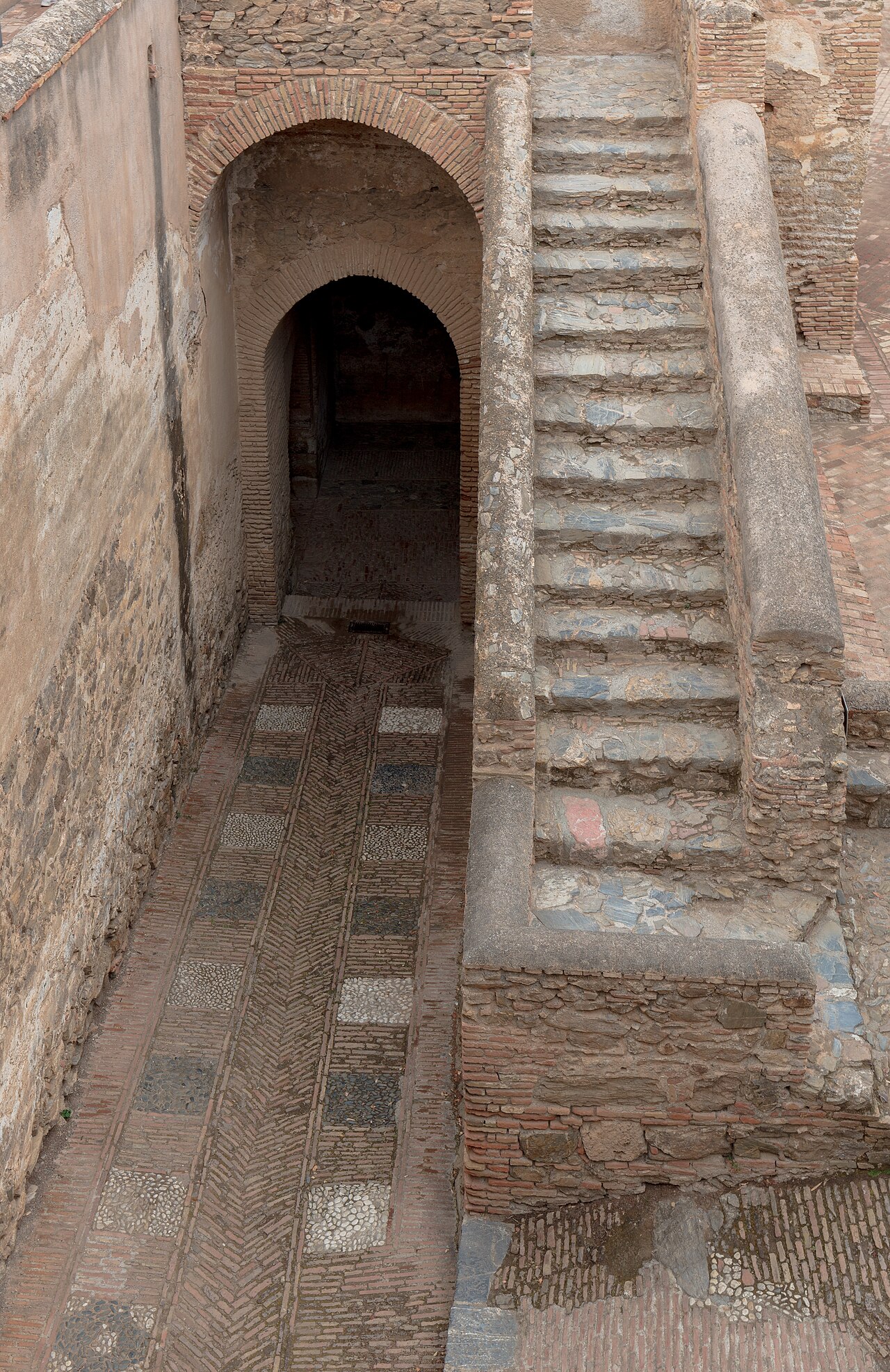
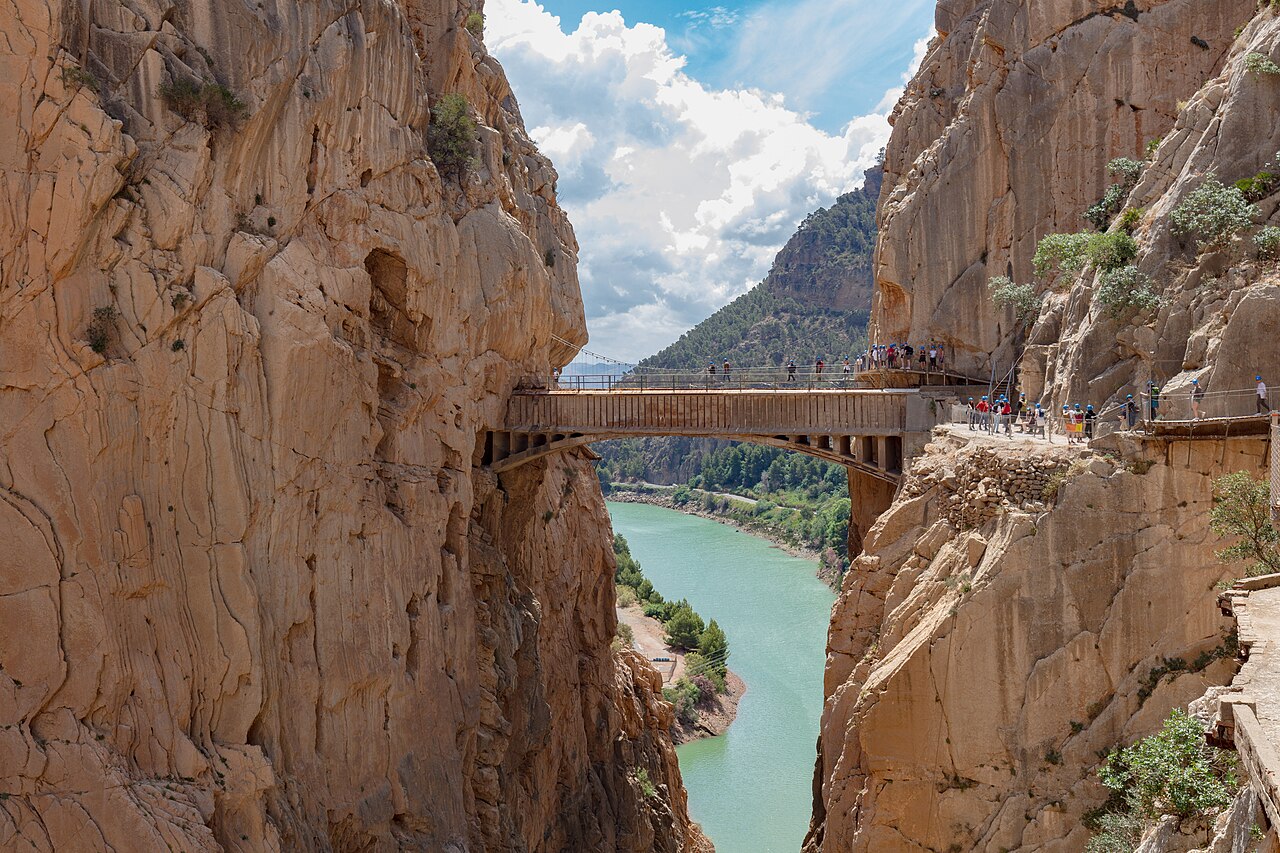
From March to May, the days are warm without being hot, the hills are green, and flowers fill the courtyards. This is the ideal season for walking the Alcazaba and Gibralfaro, for the Caminito del Rey and for day trips to Ronda, Granada and Córdoba, where the patios are at their best. The sea is still cool, but sunbathing is possible on warm days. The main thing to watch is Holy Week, Semana Santa, when the streets fill with processions, hotels book out and prices rise. It is a remarkable spectacle, and a great reason to come, but you should book early and expect crowds on the main routes.
Summer: beach weather, with heat
June to August is hot and dry, and temperatures often climb well above 30 degrees Celsius, with a sea breeze called the terral occasionally bringing a spell of oppressive heat from the interior. The sea is warm and the beaches are busy, and the evenings are long and lively. This is the best time for swimming, sailing, sunset cruises and beach bars, but sightseeing in the afternoon can be wearing. Do your walking in the morning, rest in the middle of the day and go out again after sunset, as the locals do. The Caminito del Rey is open in summer, but the heat on the walkways makes an early start essential. The August fair, the Feria de Málaga, is the biggest party of the year, with music, dancing and processions in the centre and at the fairground. It is fun and loud, and hotels fill up and charge more.
Autumn: warm sea and fewer people
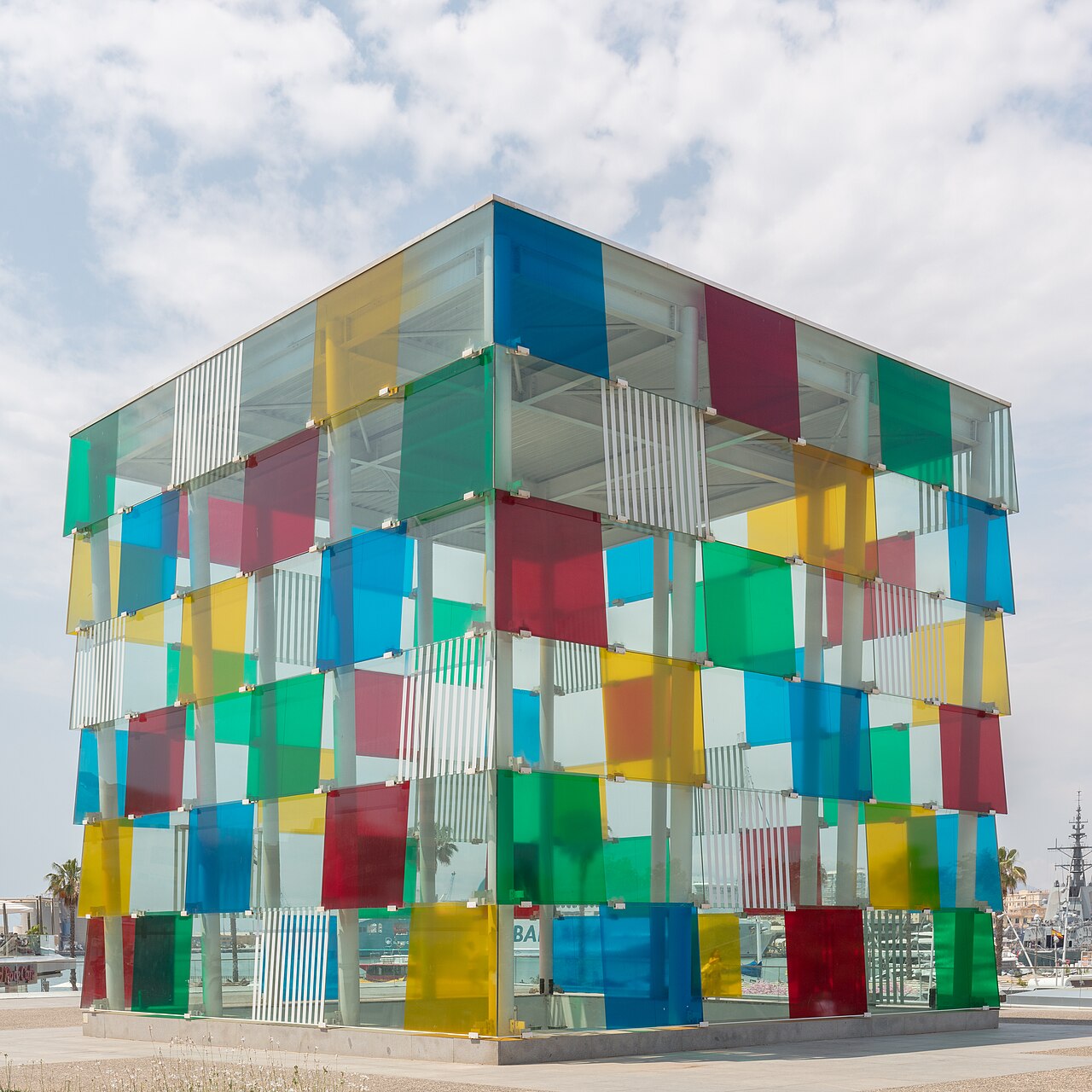
September and October are among the best months of the year, with warm seas, softer light and thinner crowds after the school holidays end. The temperatures are comfortable for sightseeing, and it is a good time for hiking, the Caminito del Rey and day trips. The weather can occasionally turn wet, with short, heavy autumn storms, so bring a light rain jacket and have an indoor plan, such as the Picasso Museum, the Carmen Thyssen Museum or the Centre Pompidou, ready. November is quieter still, with pleasant days and lower hotel prices.
Winter: mild and good value
From December to February, Málaga is mild by European standards, with sunny days that can reach the high teens and cool evenings. It is too cool for most people to swim, but it is a comfortable season for museums, the cathedral, the old town and the castles, and the crowds are thin. Hotel prices are at their lowest outside the Christmas and New Year period, and a rooftop pool that stays open all year, such as those at some of the central hotels, can still be a treat on a sunny afternoon. Many monuments close earlier in the evening in winter, so plan your sightseeing for the morning and early afternoon. Snow is possible on the Sierra Nevada near Granada, which makes the Alhambra especially photogenic but cold.
If you want the beach
Choose late May to early October, with July to mid-September the warmest water. September is often the best compromise, with warm sea and fewer people.
If you want hiking and day trips
Choose March to May or September to November, when the temperatures are comfortable for the Caminito del Rey, the Nerja caves and long days in Ronda and Granada. Check the Caminito’s weekly closing day and its rules about weather, because it can close in high winds or rain.
If you want the lowest prices
Choose winter or the shoulder months of November and early spring, avoiding Holy Week, the August fair and school holidays.
If you want festivals
Holy Week brings the processions, the August fair brings the party, and the summer months have outdoor concerts, film events and the sweet smell of jasmine on warm nights. Book accommodation as early as you can.
A note on clothes and planning
Bring layers in every season, because the evening can cool quickly, and comfortable shoes, because the old town has smooth marble streets that are slippery when wet. A hat and sunscreen are useful all year. Whatever month you choose, aim to start the day early, take a break in the middle and enjoy the long evening, because that is when Málaga is at its best.