Oceanogràfic de Valencia
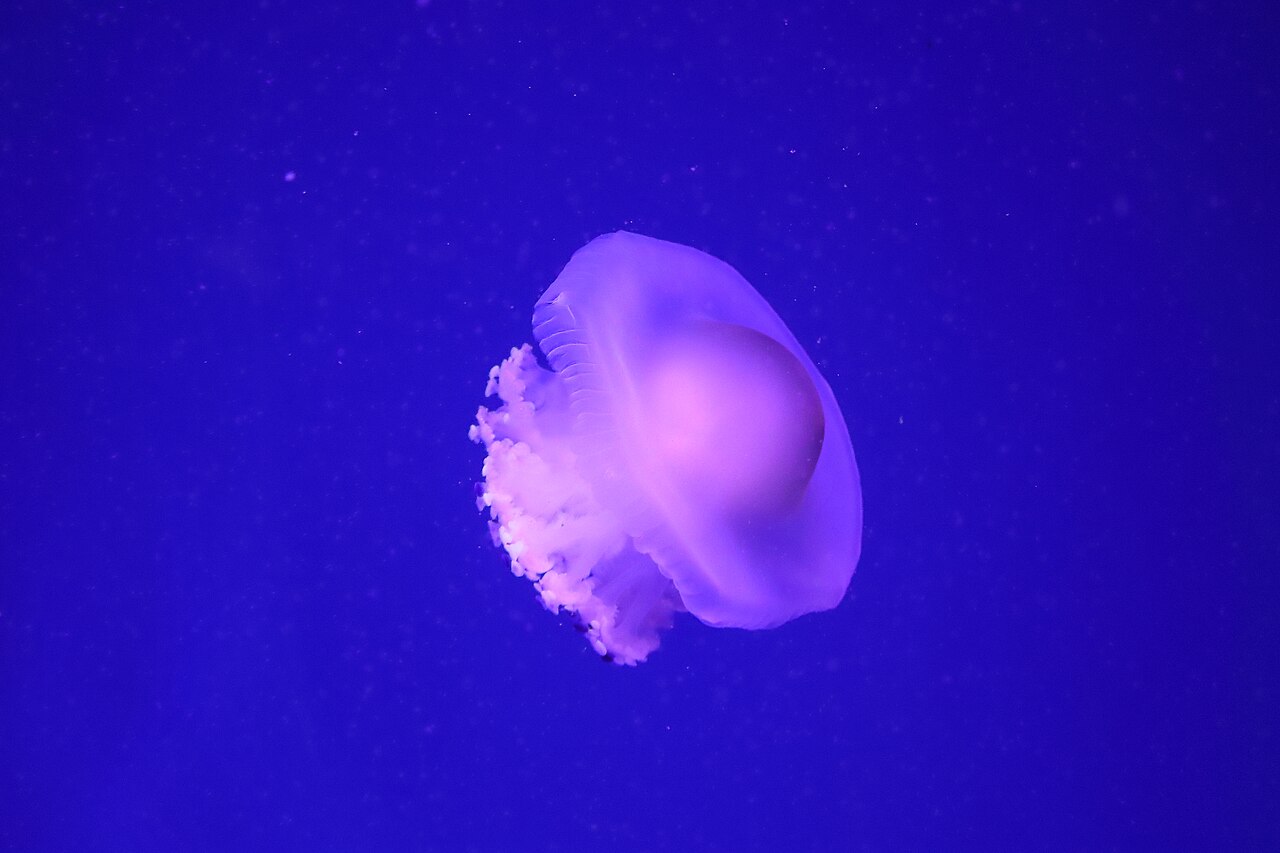
The largest aquarium in Europe, spread across sea-themed pavilions at the City of Arts and Sciences, with a walk-through shark tunnel, belugas in the Arctic zone, penguins, sea lions and a dolphinarium.
Valencian Community (Spain)
Valencia is Spain’s third city and its most easygoing: a sunny Mediterranean port where a Gothic old town of bell towers and silk merchants’ halls sits a short bike ride from a futuristic white skyline and a long sandy beach.
In the old quarter of Ciutat Vella you can see the agate cup venerated as the Holy Grail in the cathedral, climb the Micalet tower, walk the Hall of Columns in the UNESCO-listed Silk Exchange and shop for oranges, ham and saffron under the domes of the Central Market. A dried-up riverbed has become the nine-kilometre Turia Gardens, a green ribbon of palms, playgrounds and running paths that carries you east to the City of Arts and Sciences, where Santiago Calatrava’s sculptural buildings hold a science museum, a planetarium and, next door, the Oceanogràfic, the largest aquarium in Europe. South of the city lie the rice fields and lagoon of the Albufera, the home of paella, where flat-bottomed boats glide out at sunset. This guide shows you which tickets to book, how to split your days between the old town, the Turia and the sea, and which hotel suits your trip, from a Gothic palace to a grand beachfront spa.
Oceanogràfic de Valencia
The largest aquarium in Europe, spread across sea-themed pavilions at the City of Arts and Sciences, with a walk-through shark tunnel, belugas in the Arctic zone, penguins, sea lions and a dolphinarium.
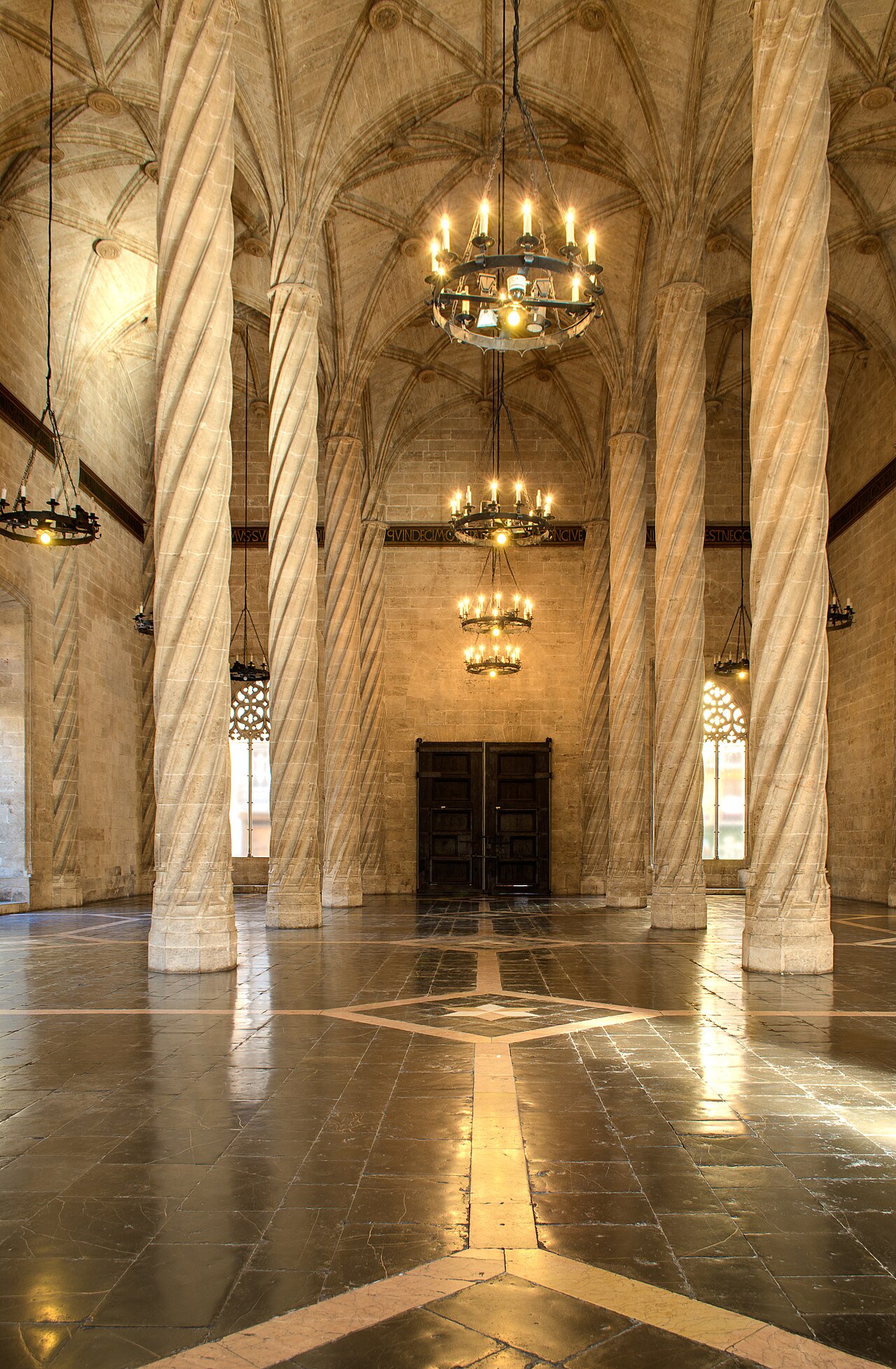
La Lonja de la Seda (Silk Exchange)
A UNESCO-listed Gothic trading hall from the golden age of Valencian commerce, with twisted stone columns rising like palm trees, a courtyard of orange trees and a parade of mischievous gargoyles.
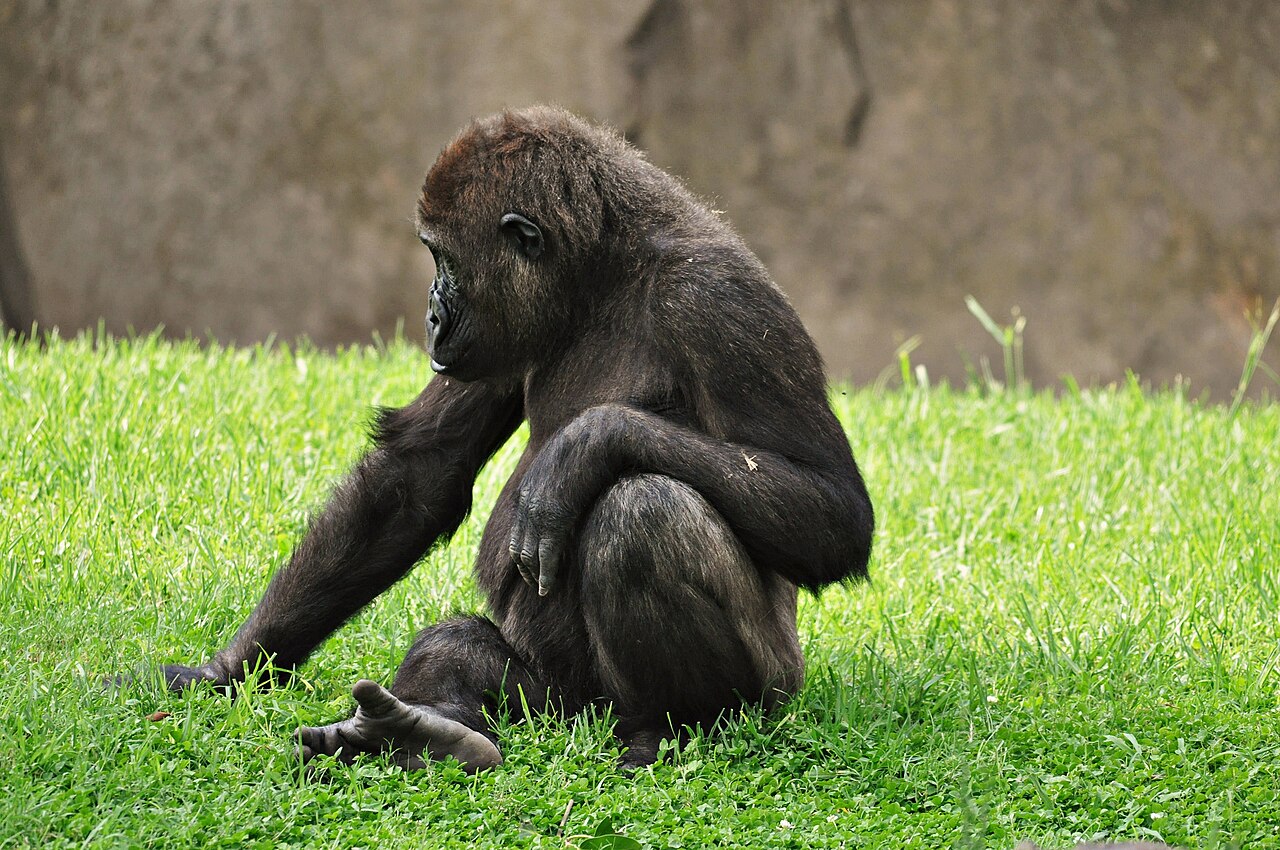
Bioparc Valencia
An immersive African zoo at the western end of the Turia Gardens, where hidden barriers let you walk among savannah herds, rainforest gorillas and free-roaming lemurs in a recreated Madagascar.
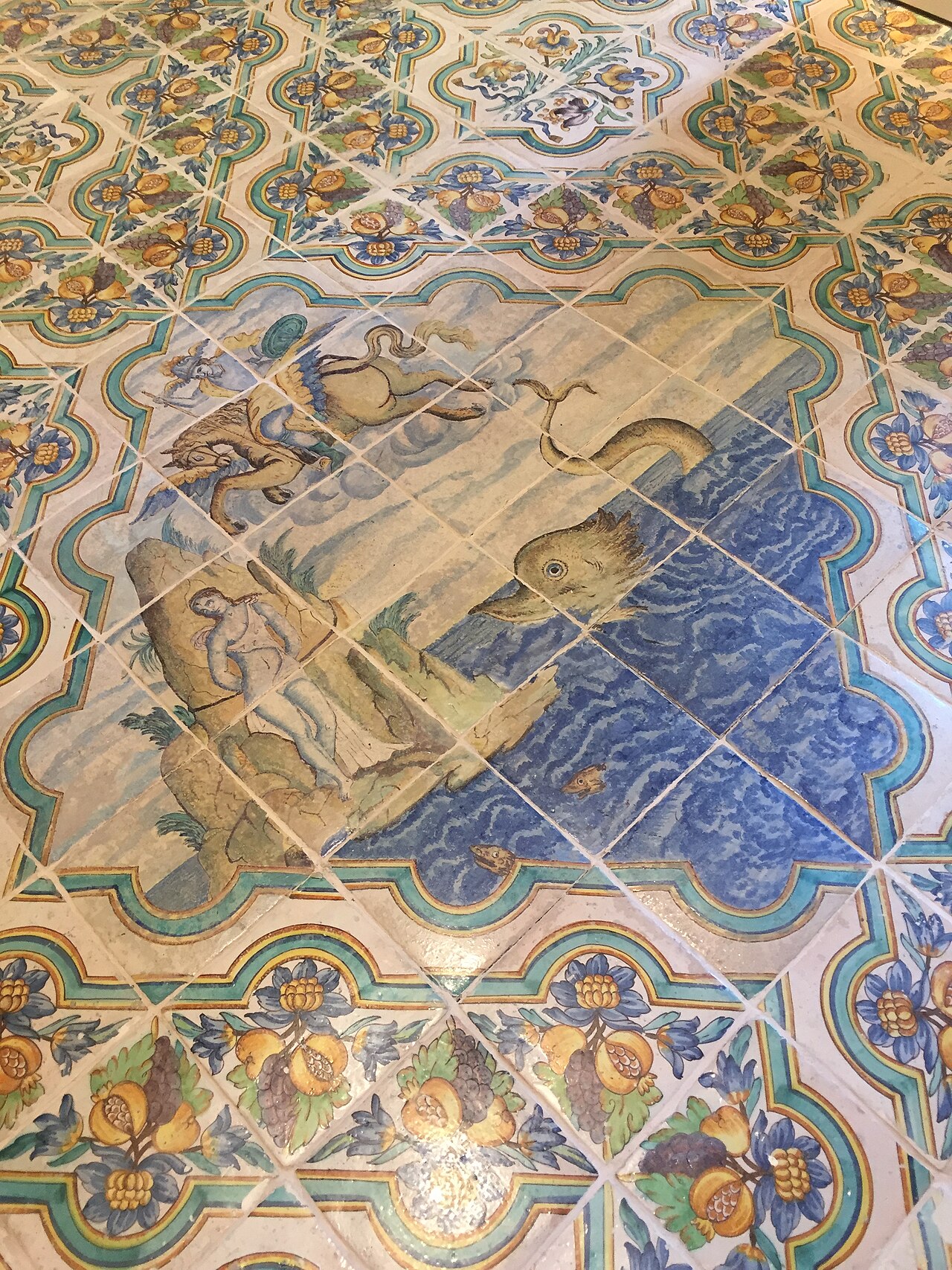
Centro de Arte Hortensia Herrero
Valencia’s headline new museum: a restored seventeenth-century palace on Carrer del Mar filled with large-scale contemporary art from leading international names, opened at the end of 2023.
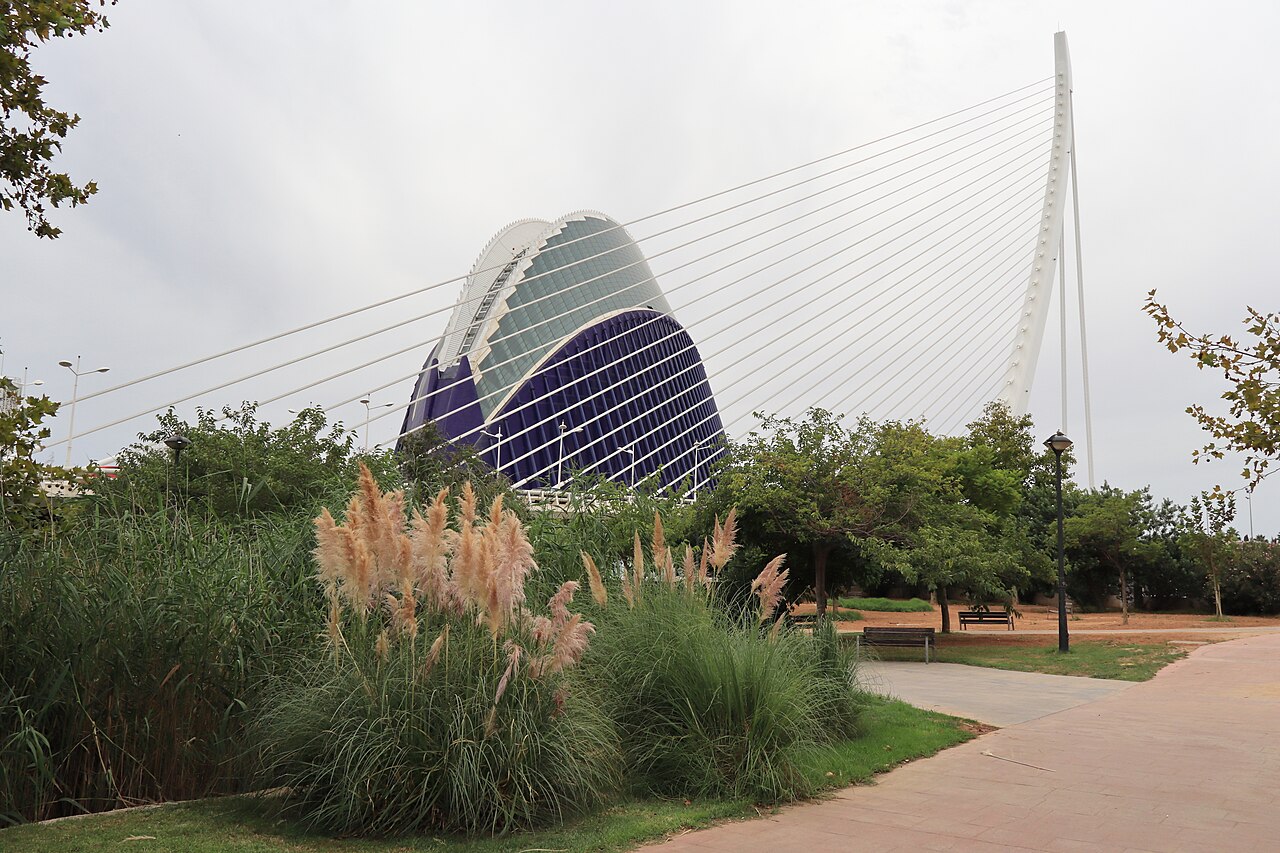
The largest aquarium in Europe, spread across sea-themed pavilions at the City of Arts and Sciences, with a walk-through shark tunnel, belugas in the Arctic zone, penguins, sea lions and a dolphinarium.
Santiago Calatrava’s gleaming white complex at the end of the Turia Gardens, with the hands-on Museu de les Ciències, the eye-shaped Hemisfèric planetarium and cinema, the Umbracle garden and the Palau de les Arts opera house.
A Gothic cathedral built on the site of a Roman temple and a mosque, home to the agate cup venerated as the Holy Grail, with 207 steps up the Micalet bell tower for the best view over the old town.
A UNESCO-listed Gothic trading hall from the golden age of Valencian commerce, with twisted stone columns rising like palm trees, a courtyard of orange trees and a parade of mischievous gargoyles.
An immersive African zoo at the western end of the Turia Gardens, where hidden barriers let you walk among savannah herds, rainforest gorillas and free-roaming lemurs in a recreated Madagascar.
A short ride south of the city to the lagoon and rice fields where paella was born, with a traditional boat trip from the village of El Palmar across one of the largest lakes in Spain.
A modest-looking Gothic parish church in the old town hiding a spectacular ceiling of restored Baroque frescoes, which has earned it the nickname of the Sistine Chapel of Valencia.
Valencia’s headline new museum: a restored seventeenth-century palace on Carrer del Mar filled with large-scale contemporary art from leading international names, opened at the end of 2023.
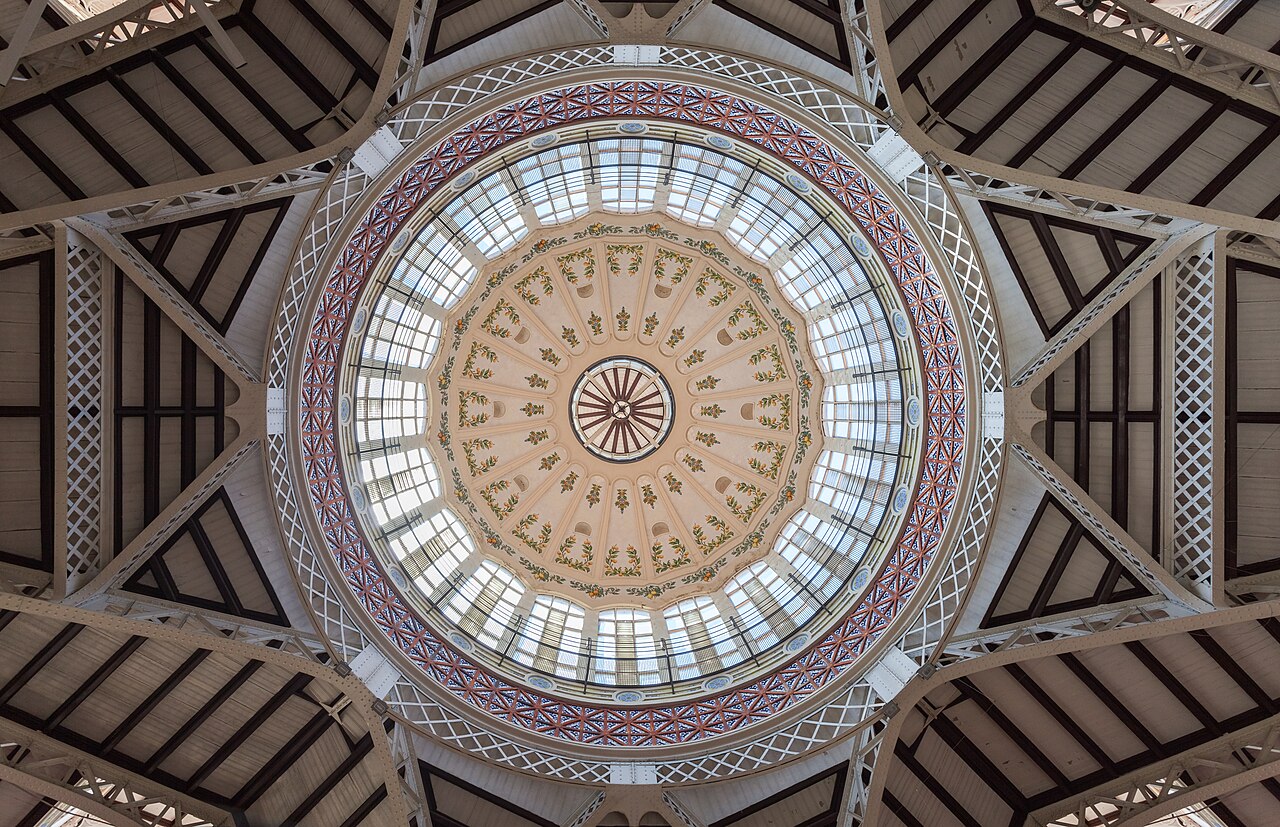 Free
One of the great food markets of Europe: a 1928 Modernist hall of iron, glass and ceramic domes with more than 250 stalls of fresh produce, ham, seafood and Valencian rice. Free to wander.
 Free
A nine-kilometre park laid out in the old bed of the Turia river, crossed by historic bridges and running from Bioparc to the City of Arts and Sciences. Free, flat and perfect by bike.
Hotels we would book ourselves, from splurges to good-value bases.
 $$$$
Ciutat Vella (Old Town)
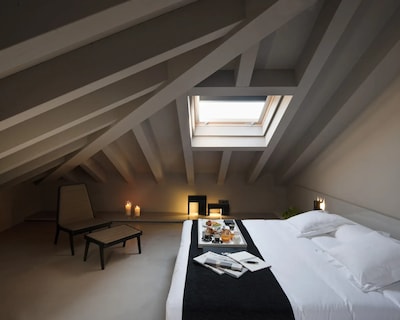
A 26-room five-star hotel in the former palace of the Marqués de Caro, a short walk from the cathedral, where restoration uncovered centuries of the city’s history inside the walls.
Check rates →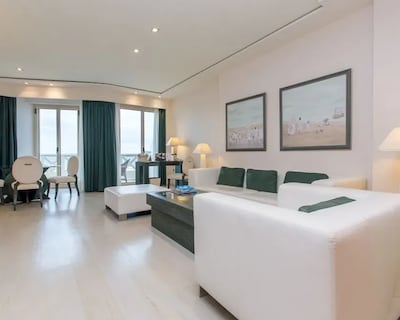 $$$$
Las Arenas Beach
A grand five-star beachfront resort on Las Arenas beach, built around a historic seaside bathhouse founded in 1898, with pools, a spa and the Mediterranean on the doorstep.
Check rates →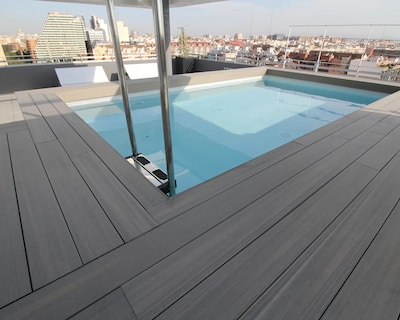 $$$
City of Arts and Sciences
A modern four-star tower hotel just 100 metres from the City of Arts and Sciences, with a tenth-floor terrace bar, an outdoor pool and 187 rooms with views over the Calatrava skyline.
Check rates →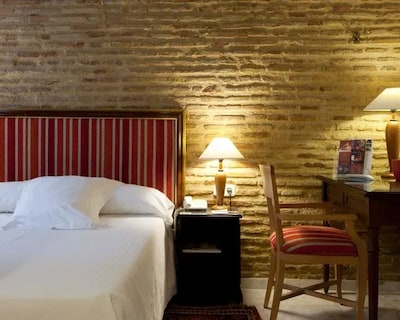 $$
Ciutat Vella (Old Town)
A small three-star hotel in a nineteenth-century building on Calle Boix, in the heart of the old town between the cathedral, the Torres de Serranos and the Turia Gardens.
Check rates → $
Plaza del Ayuntamiento (City Centre)
A simple, independent two-star hotel right on the Plaza del Ayuntamiento, the city hall square, putting the old town, the Central Market and the main train stations within an easy walk.
Check rates →The practical primer for a first visit to Valencia: which tickets to book ahead, getting in from the airport and stations, how to use the Turia Gardens to get around, and how to split your days between the old town, the City of Arts and Sciences and the sea.
Where to stay in Valencia: the old town, the city centre, the City of Arts and Sciences or the beach, with the best hotel for each kind of trip.