Malta has one of the sunniest climates in Europe, but the best time to visit depends on what you want from your trip. Summer brings beach weather and long days, and it also brings heat and crowds. Spring and autumn are warm and calm, ideal for sightseeing, while winter is mild, quiet and surprisingly green. Here is how the seasons compare.
Spring (March to May)
Many visitors consider spring the sweet spot. The countryside is green and dotted with wildflowers after the winter rain, temperatures are comfortable for walking and sightseeing, and the crowds are thinner than in summer. April and May are particularly pleasant, with long sunny days and the sea warming slowly, though swimming is still bracing for most people until late May. Easter is a special time, with solemn processions in many towns and villages, especially on Good Friday, and Valletta has a distinctive atmosphere. Book accommodation early for Easter week.
Early summer (June)
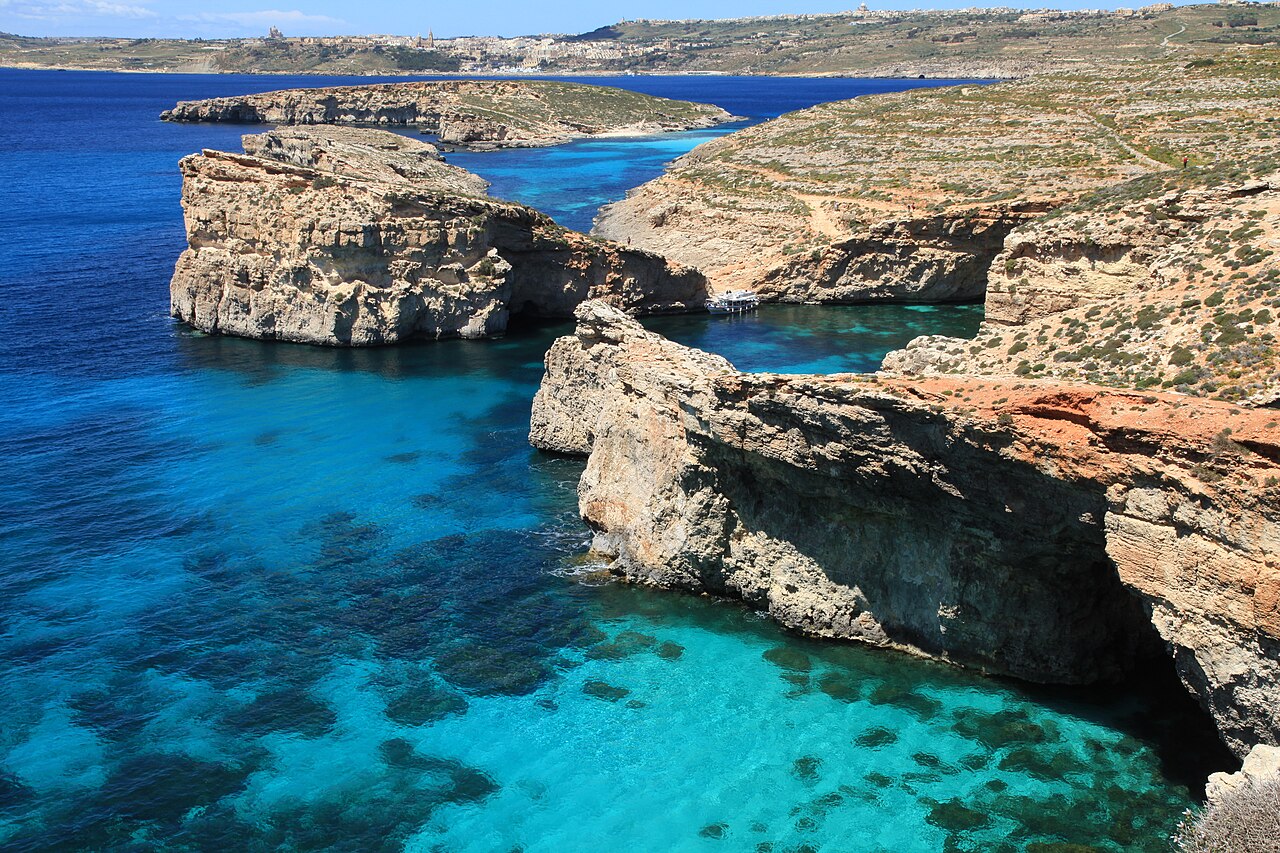
June is warm, bright and dependable, with the sea warm enough to swim and the high-summer crowds not yet at full strength. It is a great month for the Blue Lagoon, boat trips and Gozo, and for combining sightseeing with beach time. Some of the first village festas, with their brass bands, fireworks and street decorations, begin around now, and continue through the summer, so you may stumble on a procession or a fireworks display in a village square on almost any weekend, which is one of the great free pleasures of visiting at this time of year.
High summer (July and August)
These are the hottest and busiest months, with daytime temperatures that can feel intense, particularly in Valletta’s stone streets and at exposed sites such as temples and fortresses. The sea is warm and perfect for swimming, the evenings are long and lively, and the nightlife in St Julian’s is at its peak. If you visit now, plan sightseeing for early morning and late afternoon, use the middle of the day for the beach, a boat or an air-conditioned museum, and book popular boat trips, the Hypogeum and accommodation well ahead. Expect crowded beaches, busy buses and higher prices.
Early autumn (September and October)
Many locals say this is the best time of year. The sea is at its warmest after the summer, the heat eases, the crowds thin and prices drop. September is an excellent month for swimming and boat trips, and October is still pleasant for sightseeing and beaches, though the weather becomes more changeable as the month goes on and occasional heavy showers are possible. This is also the season of lampuki, the dolphinfish that features on menus across the island.
Late autumn (November)
November is quieter, with comfortable temperatures for walking, fewer visitors and the occasional rainy day. It is a good time for history and culture, and for visiting without the queues. Swimming is for the hardy by this point, and some boat trips run less often, so check schedules.
Winter (December to February)
Winter is mild by northern European standards but can be wet, windy and cool, with some grey days. The upside is that the sights are quiet, hotel prices fall, and the island is green. Valletta’s Christmas lights and nativity displays are charming, and January brings a Baroque music festival that fills the capital’s theatres and churches. Carnival, in February or March, brings colourful parades, especially in Valletta and on Gozo. Pack a waterproof jacket and layers, and do not expect to swim.
What to book and when
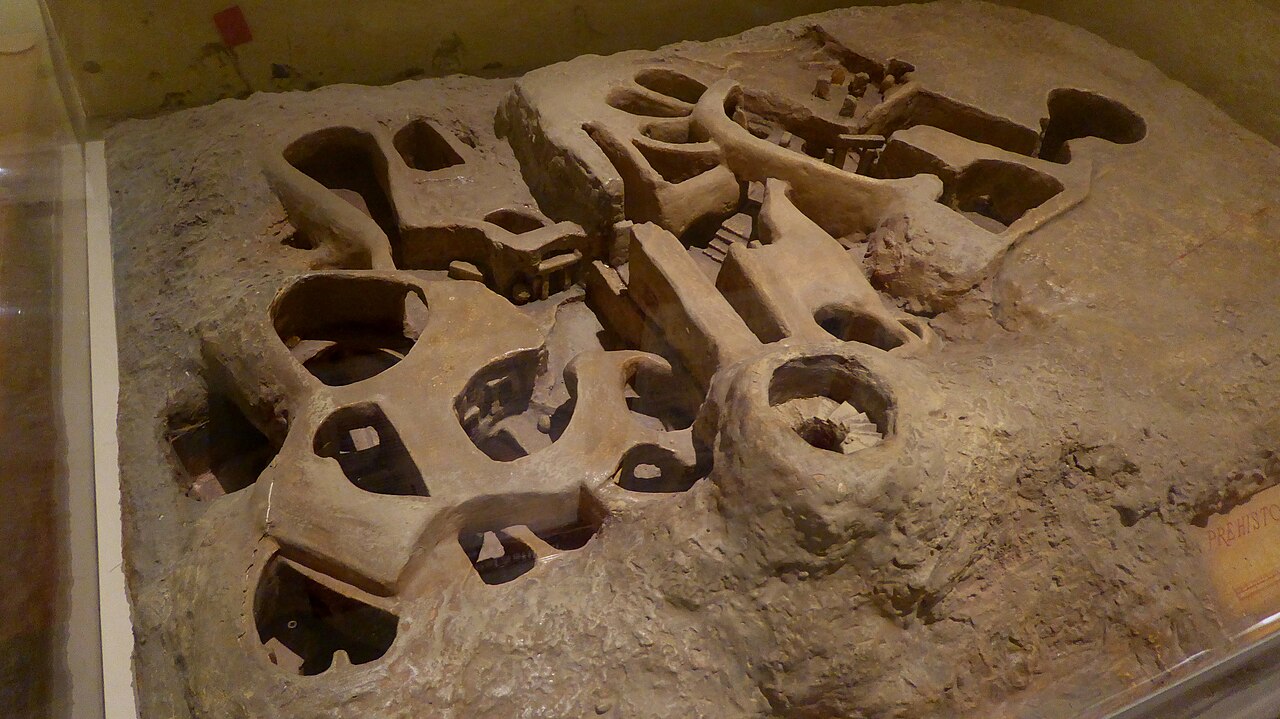
For any visit, reserve the Hypogeum as early as possible, since group sizes are tiny and tickets sell out far ahead. In summer, book Blue Lagoon trips, popular harbour cruises and your accommodation in advance. In winter, check opening days and sailing schedules, because some services run reduced timetables. Church interiors may close on Sundays or for services at any time of year.
Our recommendation
For a first visit combining sightseeing with a swim, aim for late May, June, September or early October. For a cultural trip with fewer people and lower prices, choose April, May, October or November. For a beach holiday with nightlife, July and August deliver, provided you manage the heat. Whatever you choose, build slack into the plan and keep a hat and water bottle in your bag, because even in the shoulder seasons the Maltese sun is stronger than it looks and the best sights are outdoors.