Three days is enough to see the best of Malta if you accept that you will not see all of it. The island is small, but traffic, ferry timetables and hot afternoons slow everything down, so the secret is to group sights by area and book the few that cannot be improvised. This plan balances history, views and a day on the water, and works in any season. If you can, book the Hypogeum first, because its tiny group sizes mean tickets go quickly, and then build the rest around it.
Before you go
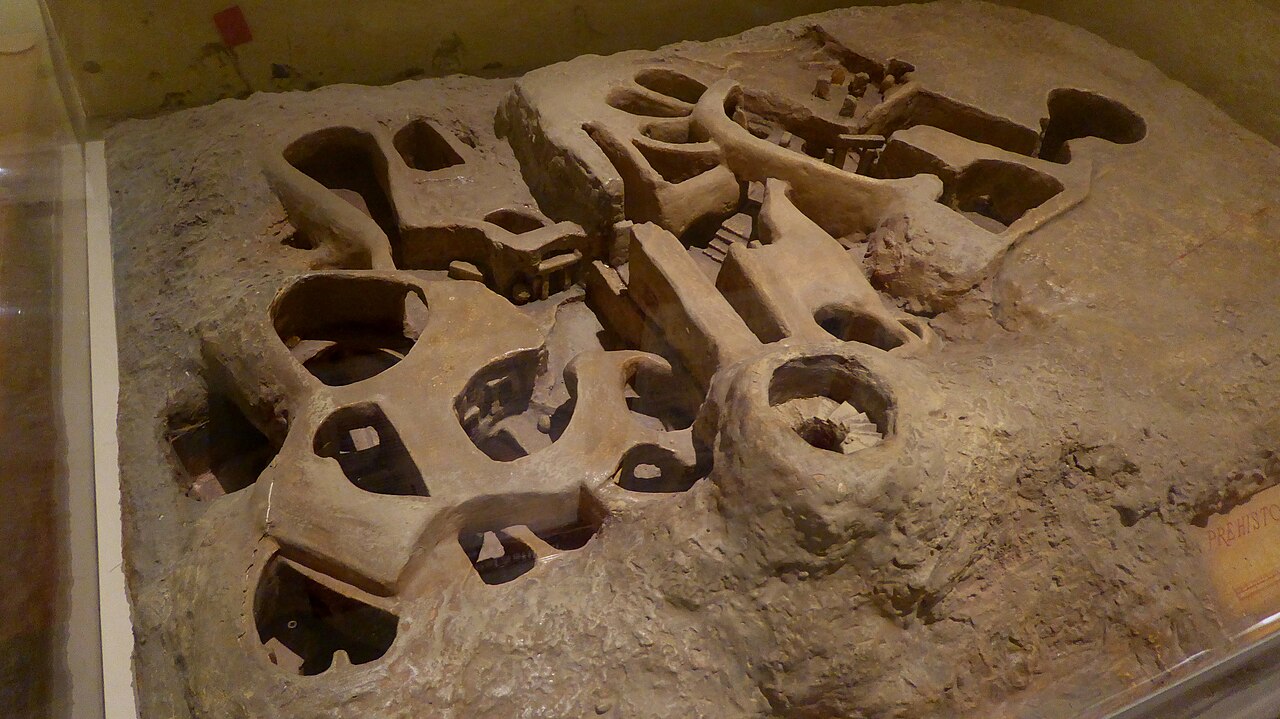
Reserve the Ħal Saflieni Hypogeum as soon as your dates are firm, and plan the day of your slot around Paola, which is only a short ride from Valletta. Check opening days for St John’s Co-Cathedral, which is closed on Sundays and public holidays, so do not make Sunday your Valletta morning. If you plan to swim at the Blue Lagoon on Comino in the busy months, check whether the timed-slot system is operating for your dates, or choose a boat operator that handles it for you.
Day one: Valletta
Start with a guided walking tour to understand how the city was planned by the Knights after the Great Siege of 1565. Then step into St John’s Co-Cathedral for the gilded Baroque interior and Caravaggio’s Beheading of Saint John the Baptist, and give it a full hour. Have lunch on one of the side streets, then choose between Casa Rocca Piccola, a noble palace that is still a family home, and the Manoel Theatre, one of the oldest working theatres in Europe. Be at the Upper Barrakka Gardens for the gun salute from the Saluting Battery, fired at noon and 4pm Monday to Saturday, and finish with an evening stroll along the bastions when the honey-coloured stone turns gold. If you have energy left, take the Barrakka Lift down to the water and watch the harbour lights.
Day two: the Three Cities and Mdina
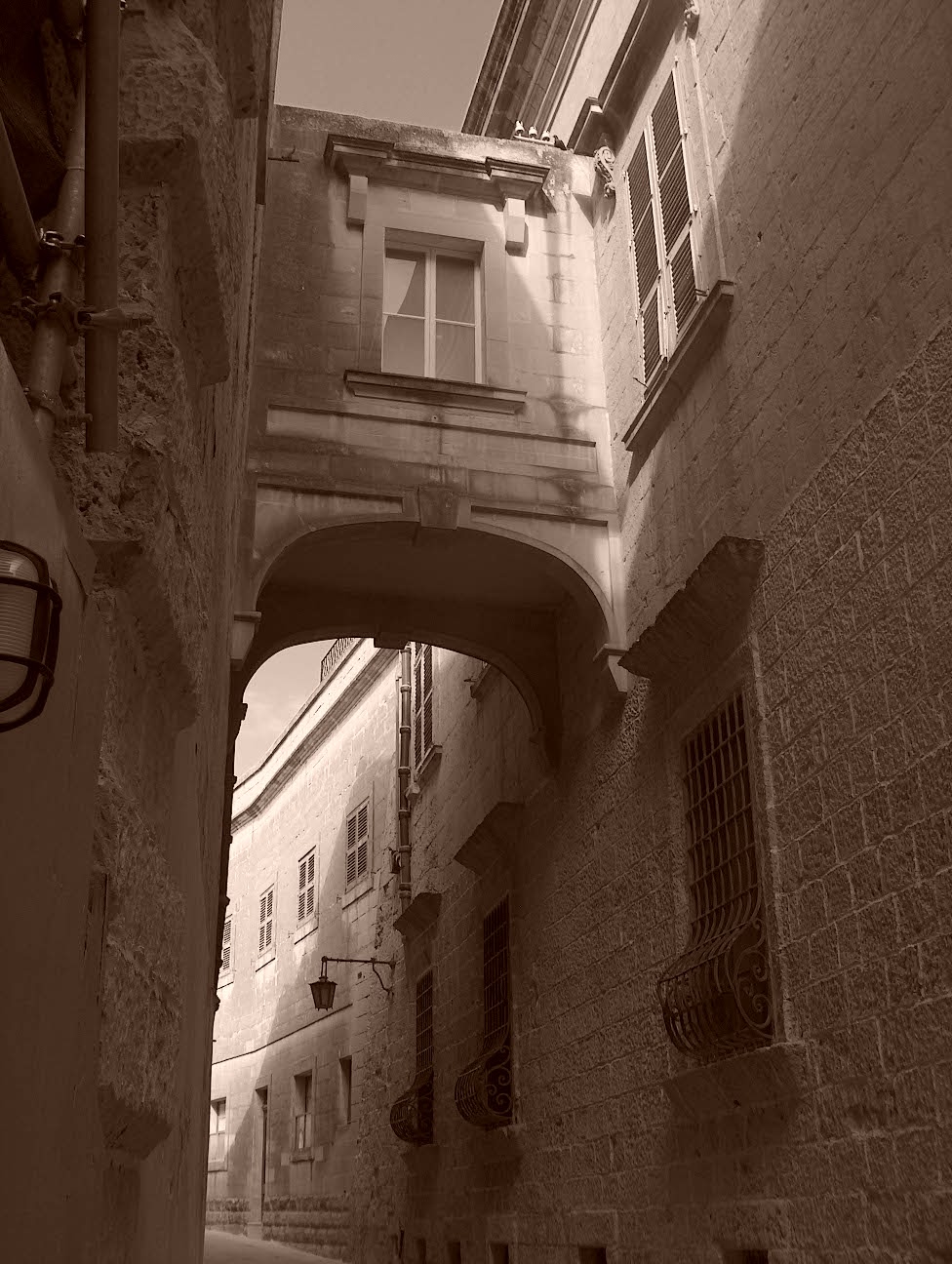
Take the ferry from below the Upper Barrakka Gardens to Birgu in the morning, when it is cool. Walk the quiet lanes, then spend an hour or so inside Fort St Angelo, the Knights’ first headquarters and a pivotal defence in the siege. Cross to Senglea for the Gardjola watchtower and its view back to Valletta. Return to Valletta for lunch, then take a bus or taxi to Mdina for the late afternoon. The Silent City is at its best when the day-trippers have gone, with lamps lighting the stone and a bastion terrace perfect for tea or an early dinner. If you have a Hypogeum slot, fit it in the morning before the Three Cities, or swap days so it does not clash with the ferry.
Day three: Gozo and Comino
Devote the last day to the islands. The simplest way is a boat day that stops at the Blue Lagoon on Comino and then continues to Gozo, with time for a swim and a visit to the Citadel in Victoria. If you prefer a slower pace, take the ferry from Ċirkewwa and choose Gozo alone, adding the Ġgantija temples, the salt pans and a long lunch. Whichever you choose, start early, bring a hat, sun cream and a towel, and keep an eye on the return boat time, because missing the last sailing can be an expensive mistake.
Swapping and trimming
If your passion is prehistory, replace a Valletta afternoon with a day in the south, combining the temples of Ħaġar Qim and Mnajdra, the Blue Grotto and the fishing harbour of Marsaxlokk. If you are travelling with children, consider a morning at Popeye Village in the north in place of the Three Cities. If you are visiting in high summer, shift outdoor sightseeing to early morning and late afternoon and use the hottest hours for museums, churches or a swim.
Getting around
You do not need a car in Valletta, and public buses are cheap but slow in summer traffic. Ferries between Valletta, Sliema and the Three Cities are quick and scenic and save time. For Gozo, take the car and passenger ferry from Ċirkewwa or a fast ferry from Valletta, and use taxis or a hire car on the island if you want to see more than the main town. A hop-on hop-off bus, which includes a harbour cruise, is a sensible choice for first-timers who want an overview without planning transfers.
Where to sleep
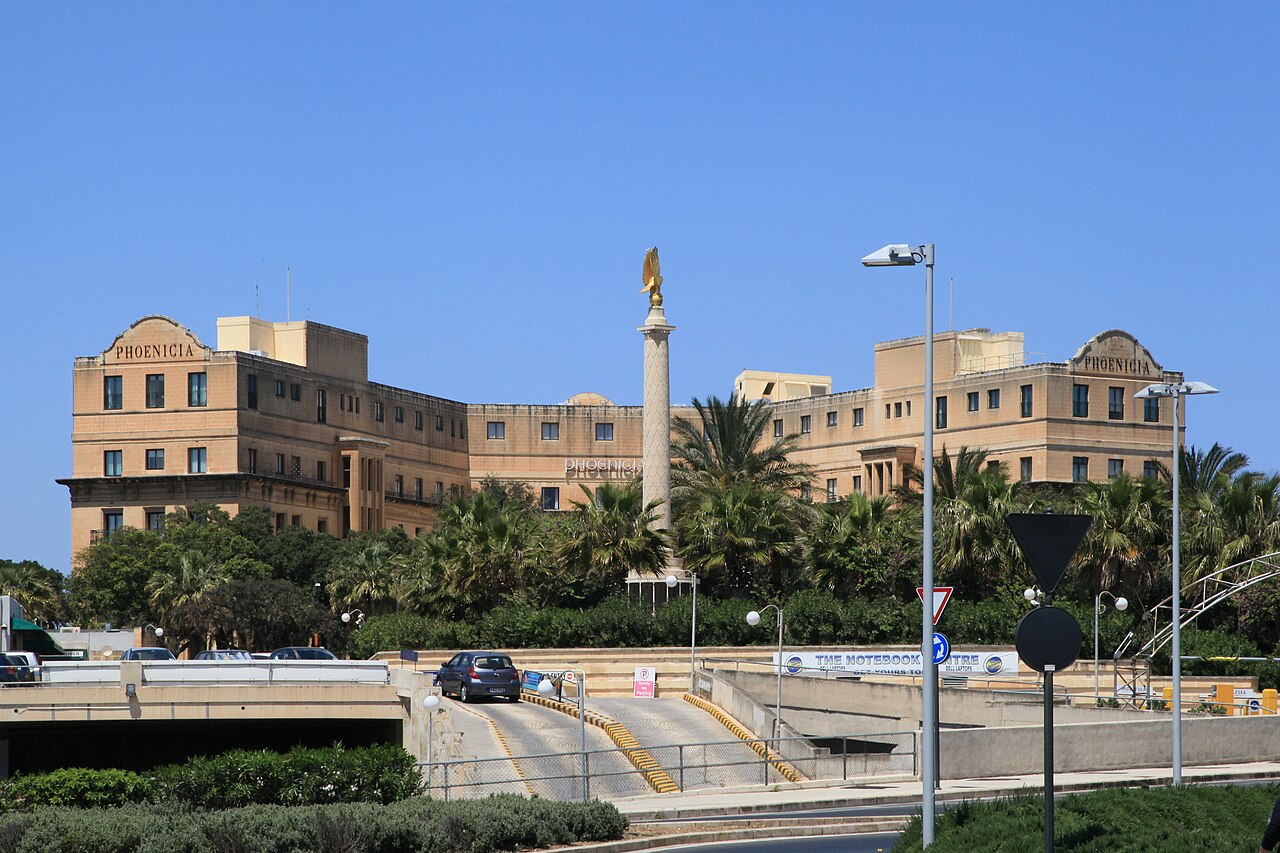
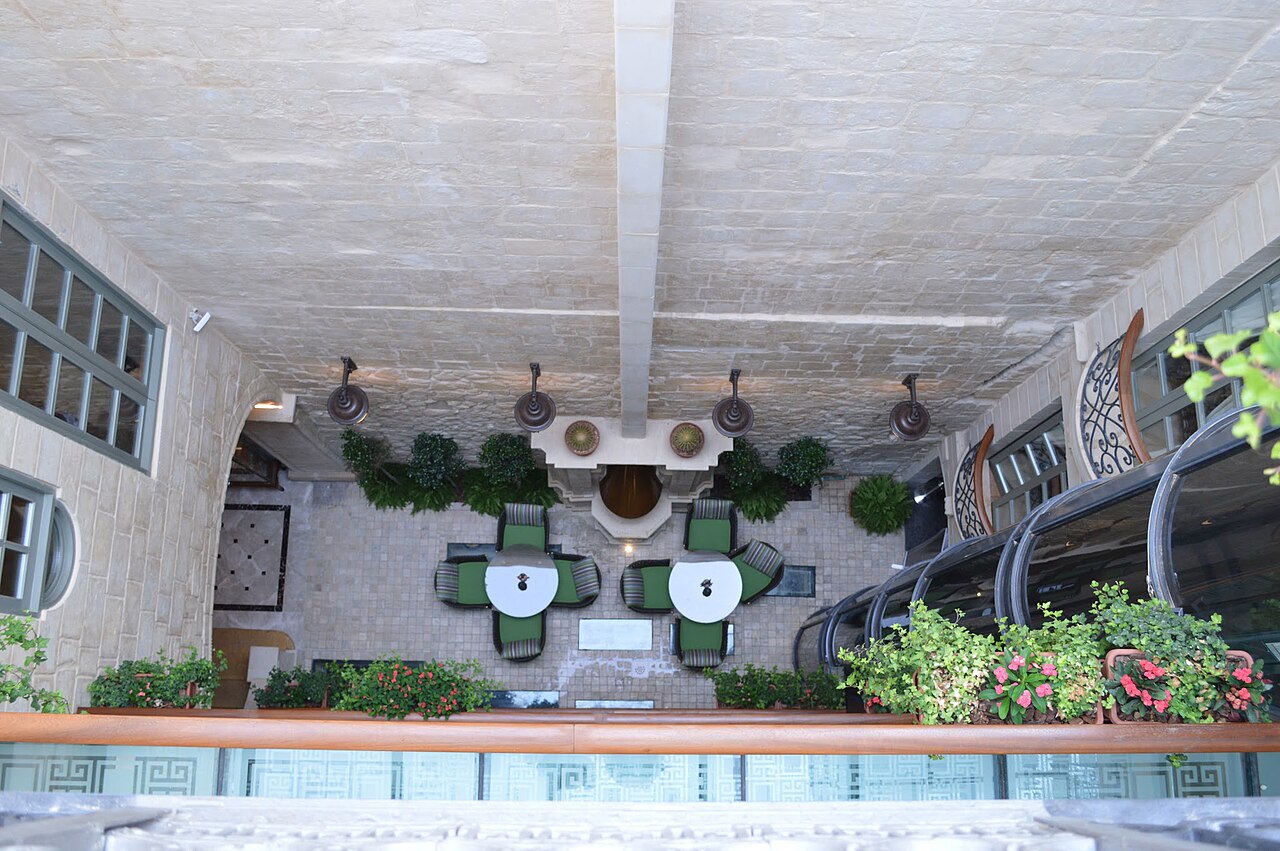
For a three-day trip, stay in Valletta or just outside City Gate, so that your mornings begin on foot and your evenings feel like part of the city. A grand hotel at the gates, a boutique palazzo or a budget room with a harbour balcony all work, and every option leaves you well placed for ferries and buses. If you would rather have a pool and sea views, St Julian’s is a short ride away, though you will spend more time in transit.
A few final tips
Dress modestly for churches, with shoulders and knees covered. Carry water, wear shoes with grip, and expect hills and steps. Allow a little slack in each day, since sights tend to take longer than the guidebook suggests and the best moments in Malta, a conversation at a bar or a view from a bastion, are rarely scheduled.