Manila is hot and humid all year, and the real question is how much rain and how much heat you are willing to put up with. The year divides into three broad seasons, and each has its own advantages. Here is how to choose.
The cool dry season: December to February
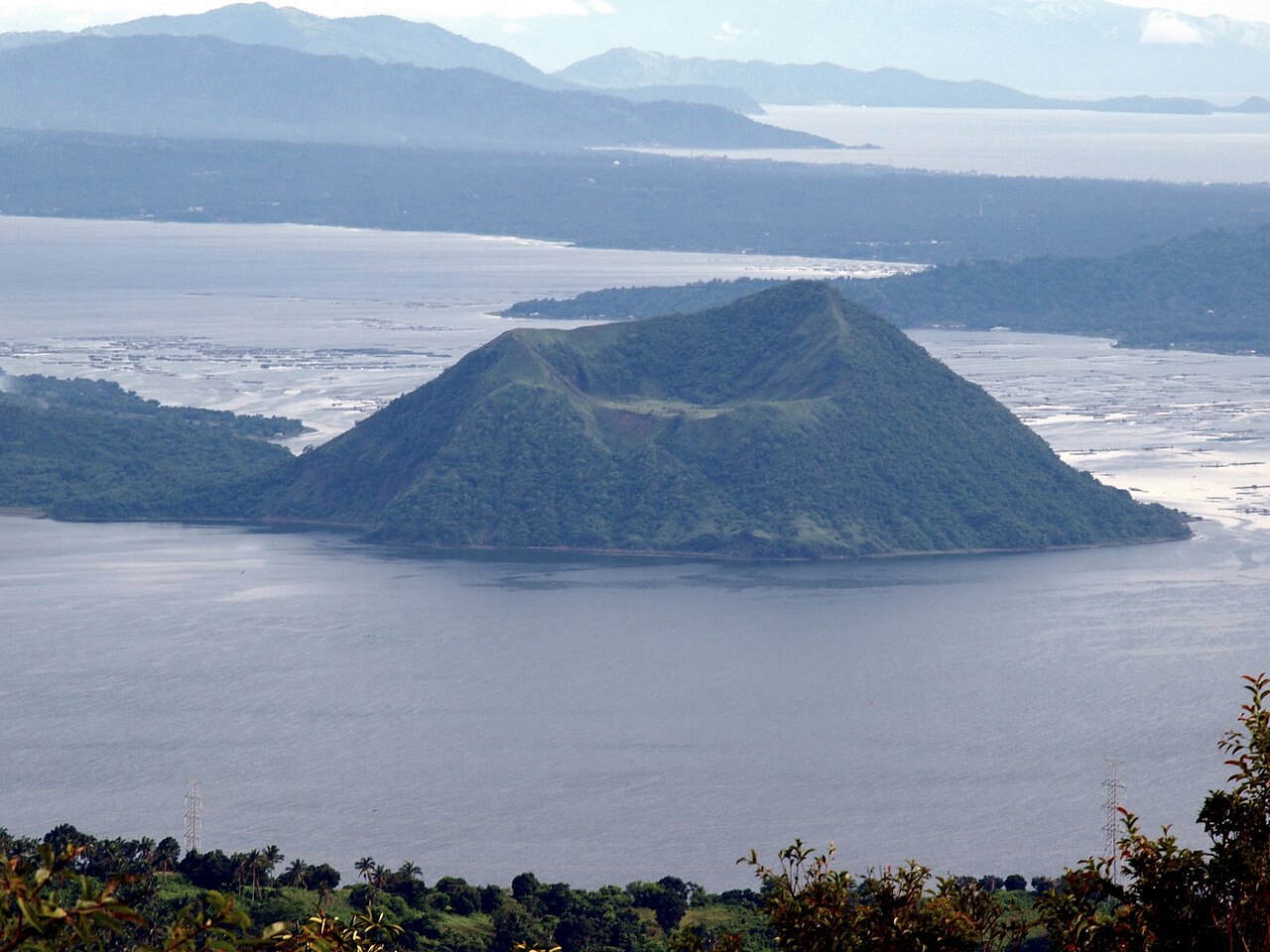
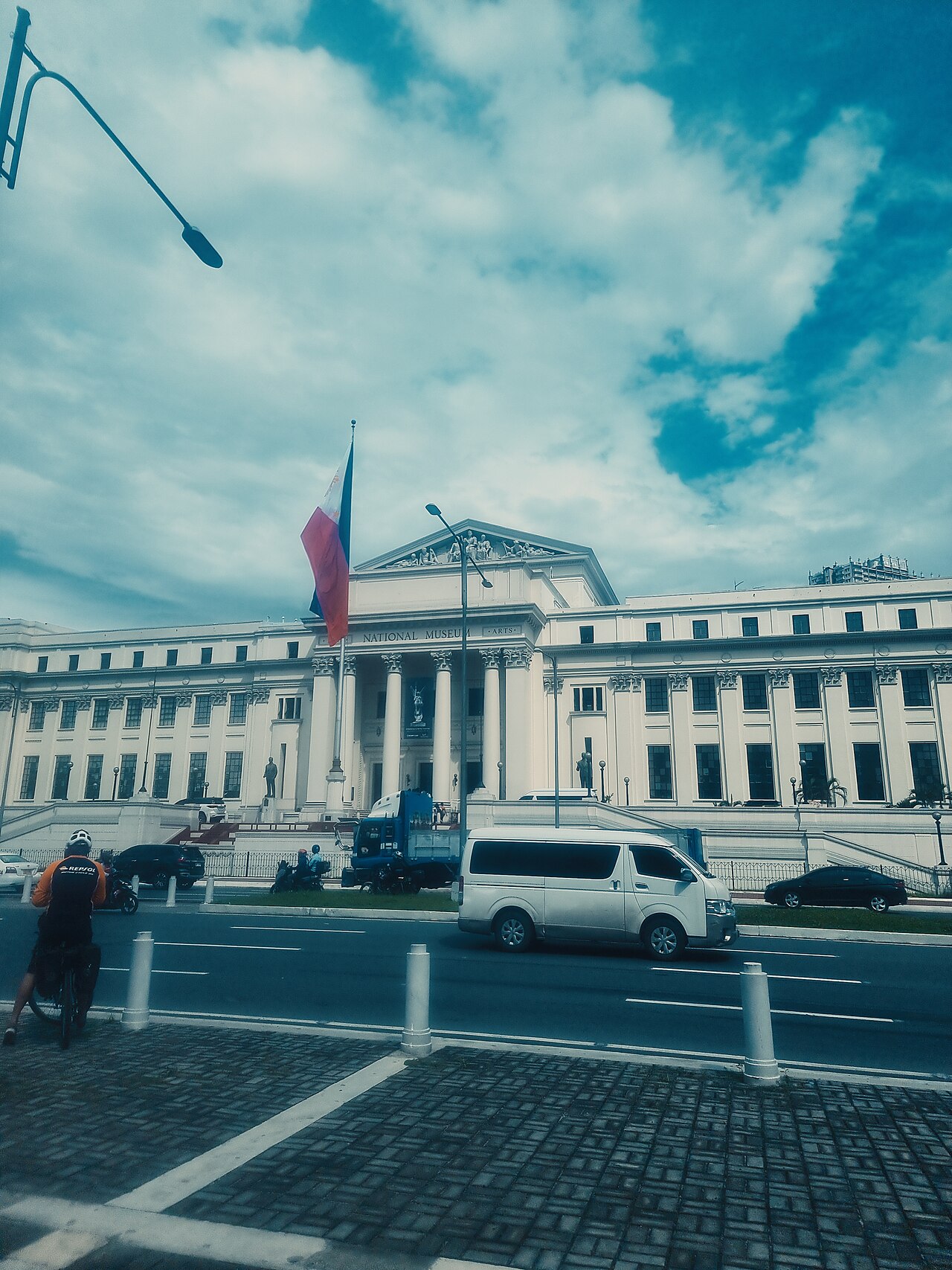
This is the most comfortable time to visit. Days are warm and sunny, nights are a little cooler and the humidity is lower than at any other time. It is also the peak tourist season and the busiest time for hotels, especially around Christmas and New Year, so book flights and rooms early and expect higher prices. Sights such as Fort Santiago, the National Museum and the Intramuros bike tours are at their best, and the clear skies make the Tagaytay view of Taal Volcano and the Banaue rice terraces most rewarding. If you can choose, January and early February offer the best balance of good weather and manageable crowds.
The hot dry season: March to May
From March the temperature climbs, and April and May are the hottest months, with daytime highs that can feel well above thirty-five degrees once humidity is included. Rain is rare, so sightseeing is possible, but it is best to start early, rest through the middle of the day and use air-conditioned museums, malls and cafés. This is also beach and island season, so many visitors combine a few days in Manila with a trip to Palawan, Boracay or Cebu. Holy Week, in March or April, is a special period. Many Filipinos leave the city for the provinces, traffic eases and some shops and restaurants close on Maundy Thursday and Good Friday, while religious processions and observances take place in many churches. It is a fascinating time to see local tradition, but check opening hours for sights and tours in advance.
The wet season: June to November
The southwest monsoon brings regular heavy rain, and the Philippines lies in the typhoon belt, so storms can disrupt flights, tours and road travel, particularly from about July to October. The rain often comes in sharp afternoon downpours, with the mornings clear, and streets in some districts flood quickly. The upside is that the city is greener, prices are lower and the crowds are thinner. If you travel in this season, keep a flexible day in your plan, buy travel insurance, check the weather forecasts and weather bulletins before each trip and be ready to move outdoor plans indoors. The National Museum, the Museo de Intramuros, Art in Island and the food tours of Binondo are all good rainy-day options.
Festivals and annual events
Several events are worth planning around. The Feast of the Black Nazarene in Quiapo takes place each January and draws enormous crowds, which is spectacular but not for the faint-hearted. Chinese New Year brings lion dances and food stalls to Binondo, usually in late January or February. Holy Week is a major religious period. The Christmas season in the Philippines is famously long, beginning in the early autumn months, with parols, the star-shaped lanterns, lighting up streets and malls, Simbang Gabi dawn masses in the nine days before Christmas and lavish family meals. Undas, on 1 November, is the day when families visit cemeteries, and it is a major holiday with heavy travel.
Our recommendation
For comfortable weather and the best chance of clear skies on day trips, go between December and February, or in the early part of the hot season, in March. If you want fewer crowds and lower prices and can handle some rain, October and November can still work with a flexible itinerary, though typhoon risk is real. In every season, start early, drink plenty of water, plan the middle of the day indoors and allow extra time for traffic, which is worse on rainy weekday evenings.
What to pack
Light, breathable clothes, a hat, sunscreen, a compact umbrella or poncho, comfortable walking shoes and a light layer for the air conditioning, which can be fierce indoors. A reusable water bottle and a small day bag help every day. Dress modestly, with shoulders and knees covered, for church visits.