Manuel Antonio has two main seasons, and the best time to visit depends on whether you value sunshine, quiet or value for money. The dry season runs from about December to April and is the busiest and most expensive time. The green season, from about May to November, is wetter, quieter and cheaper, and the forest is at its most vivid. Neither is a bad choice, and with a bit of planning you can enjoy the area in any month. The national park is closed on Tuesdays all year, so build that into your plans whichever season you choose.
The dry season, December to April
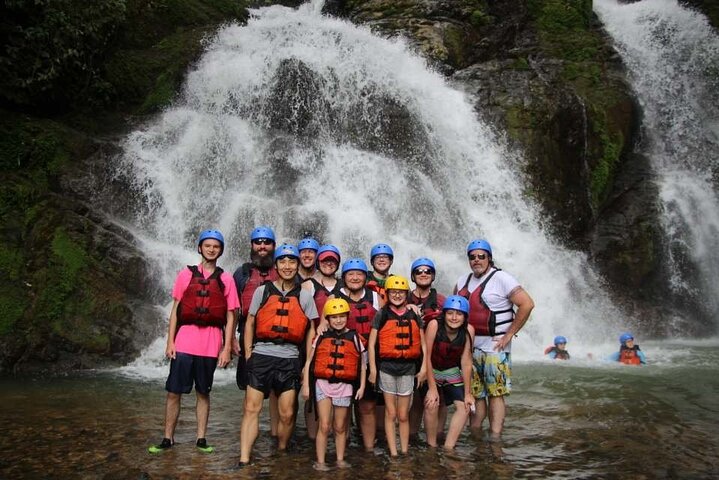
This is the classic beach-holiday weather, with long sunny days, blue skies and the calmest seas for boat trips. It is also the time of the biggest crowds and the highest prices, so book your hotel, the park tickets and popular tours well ahead. The sunset catamaran, the Savegre rafting trip and the canopy zip-line sell out in this period and over holidays. The forest is drier and a little less lush, and the rivers run lower, which makes rafting gentler. The park is at its busiest, so a 7am start matters even more, and tickets can sell out several days in advance. If you want guaranteed sun for a short trip, this is the safe bet.
The green season, May to November
The forest is at its most lush, the waterfalls run fuller and the crowds thin out. Rain usually arrives in the afternoon, often as a heavy shower rather than a day-long grey, so the sensible approach is to do the outdoor activities in the morning and keep the afternoon for a long lunch, a spa or a nap. Prices fall, hotels are easier to book and the park feels calmer. September and October are typically the wettest months, with more frequent and heavier rain, and some visitors find a few days of heavy weather disrupt tours, so keep your plans flexible and check cancellation terms. The green season ends around late November.
Whales and dolphins
Humpback whales visit the Pacific coast in two seasons, generally from about July to October and from about December to March, which means there is a window almost any time of year. Dolphins can be seen all year on boat trips. Sightings are never guaranteed, but a dedicated whale and dolphin trip in the right months raises the odds, and catamaran cruises sometimes get lucky too. Sea turtles also use this coast, though you should rely on a specialist operator for any turtle experience.
Wildlife by season
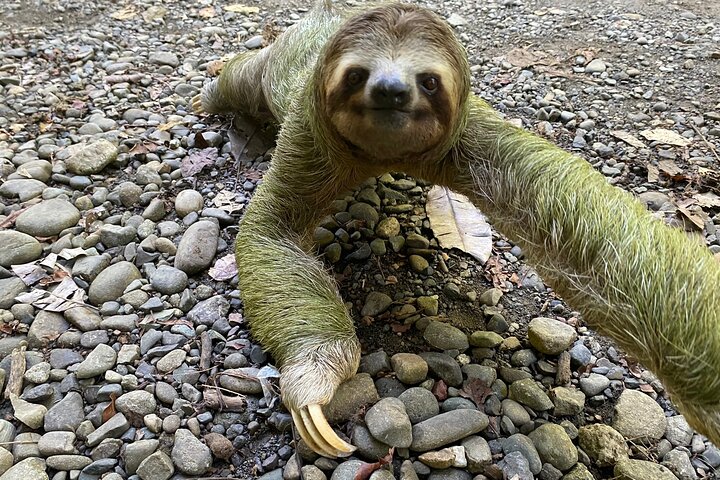
The park's resident animals, including sloths, capuchin and squirrel monkeys, iguanas and raccoons, are there all year. In the dry season animals gather near water and trails, which can make them easier to spot. In the green season the foliage is thicker and the animals can be harder to see, but fewer people means a quieter experience. Birdwatchers find the green season rewarding for activity and the dry season easier for visibility. Night walks are productive year-round, with frogs especially active after rain.
Month by month, in brief
December to February is the sunniest and busiest period, with holiday peaks around Christmas and New Year. March and April are hot and dry, with the beaches at their best. May and June bring the first rains and falling prices. July and August can have a short drier spell in some years, popular with families on school holidays. September and October are the wettest and quietest, the best time for bargains, and November sees the rains ease toward the dry season. These patterns are general, and weather varies year to year.
Choosing for your trip
If you have only a few days and want the beach, go in the dry season and book early. If you want value, fewer people and a green landscape, go in the green season and plan morning activities. If whales matter, aim for July to October or December to March. If you are travelling with children, school holiday periods are busy, so reserve early. If you hope to see the national park at its best, go on a Wednesday to Monday morning, whatever the season.
What to pack
In every season, bring light, quick-drying clothes, a waterproof layer, closed shoes for the trails and sandals for the beach. In the green season, add a dry bag for your phone and camera. In the dry season, bring a hat and strong sunscreen. Insect repellent is useful in both. Whichever month you choose, start early, keep the afternoons flexible and enjoy one of the most beautiful stretches of the Pacific coast.