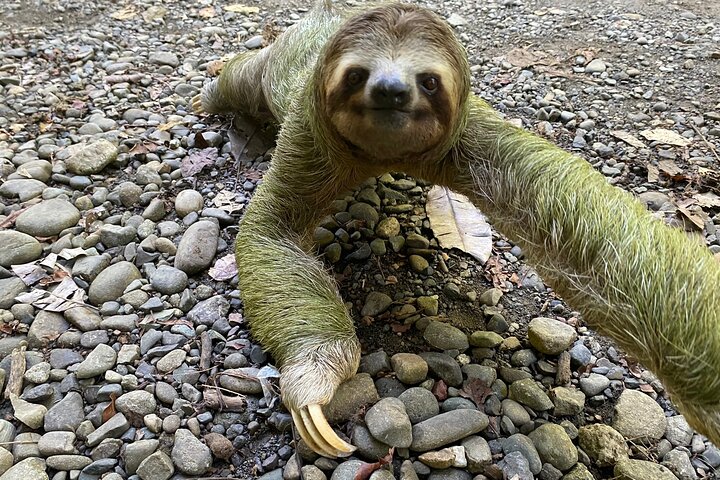
Manuel Antonio is small, steep and very popular. A single winding road climbs from the fishing town of Quepos over a green ridge and down toward the national park, with hotels, restaurants and viewpoints strung along it, and beaches at the bottom. Almost everything you will want to do sits within twenty minutes of that road, which makes it an easy place to plan, as long as you book the right things before you arrive and respect the park's one closed day. This guide gives you the short list.
Book ahead: the national park
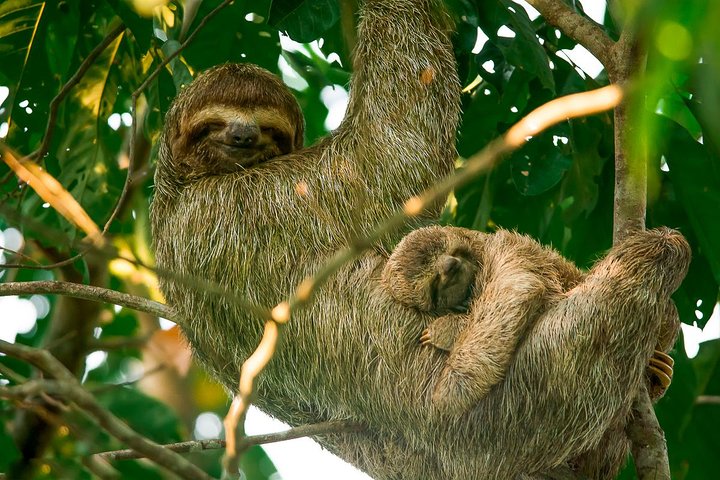
Manuel Antonio National Park is closed on Tuesdays and open Wednesday to Monday, generally from 7am to 4pm. Tickets are sold online only and in advance, with no sales at the gate, and busy dates sell out several days ahead, so do not wait until you land. Adult visitors from abroad pay roughly US$18. The simplest route is a small-group guided tour with the ticket arranged for you, since a certified guide with a spotting scope will find sloths, snakes and frogs you would walk past alone. Go in the first slot, around 7am, when the animals are active and the paths are quiet.
Book ahead: boats and adventures
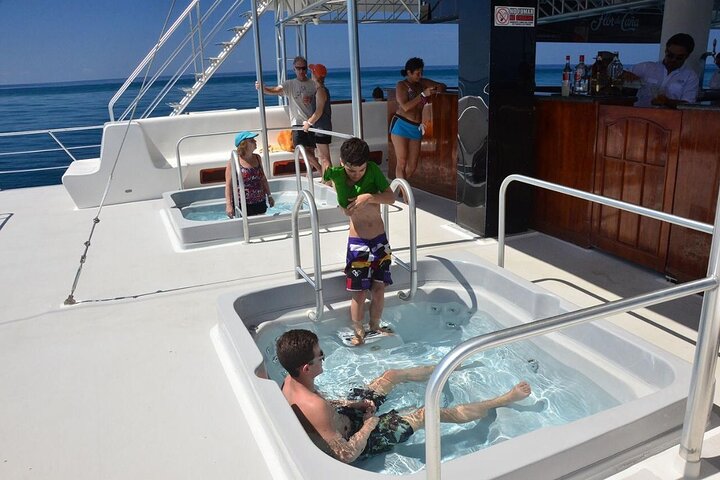
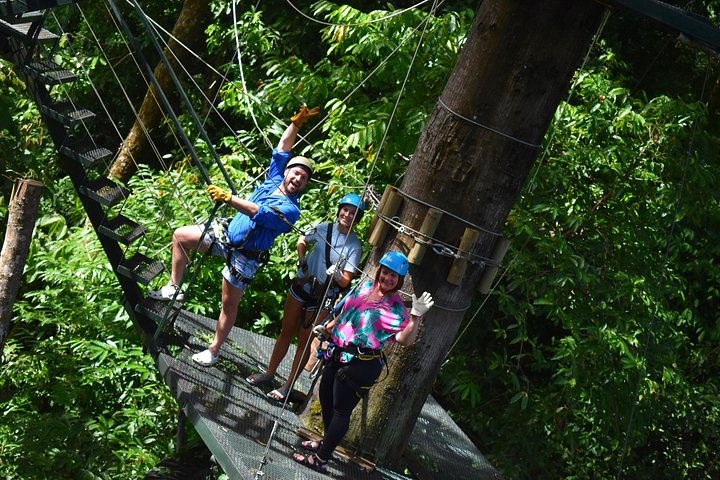
Sunset catamaran cruises, the Savegre rafting trip and the canopy zip-line sell out in the dry season, from December to April, and in holiday weeks, so reserve them before you travel. Mangrove boat and kayak tours, night walks and surf lessons are easier to arrange a day or two ahead. A sportfishing charter has strict terms and should be booked with your dates certain.
Getting there and getting around
Most visitors drive or take a shuttle from San José, which is about three hours by road, and small domestic flights have served the Quepos area, so check current schedules. Once you are here, taxis are inexpensive and plentiful, a local bus runs between Quepos and the park along the main road, and many tours include hotel pickup. A rental car is handy for the hills but not essential, and parking at the park is limited, so avoid the touts who flag you down on the road and use the park's own booking and a registered guide instead. The road is steep, so choose a hotel with the walk to the beach or the taxi back up in mind.
How many days
Three nights is the sweet spot. Give one morning to the national park, one to the water, whether the mangroves, a catamaran or both, and one to adventure, such as the canopy or the rafting. Add a relaxed beach afternoon at Playa Espadilla, which is free and open to all, and a night walk if you like frogs. Two nights is possible if you pick the park and one boat trip, while five nights lets you add fishing, rafting and a slow day by the pool. Because the park is closed on Tuesdays, plan your adventure day, your beach day or your mangrove paddle for then.
When to go
The dry season, from December to April, is the busiest and most expensive, with sunny days and big crowds at the park. The green season, from May to November, brings lower prices, fewer people and a lusher forest, with showers that usually arrive in the afternoon, so do the park and the zip-line in the morning and keep the afternoon for the pool or a boat. Early November is near the end of the rains, so expect a green, quiet and good-value stay, with the dry season arriving in December.
A simple plan
Day one: arrive, swim at Playa Espadilla and have a sunset dinner on the hill. Day two: the national park at 7am, lunch in town and a night walk. Day three: a mangrove boat or kayak tour, then the beach. Day four: the canopy tour or the rafting, and a sunset catamaran to finish. Pack reef-safe sunscreen, insect repellent, a reusable water bottle, grip shoes and a light rain jacket, and keep your valuables out of sight on the beach, where monkeys and opportunists both work the bags.