Medellín earns its nickname, the City of Eternal Spring, from a climate that changes little through the year. Sitting in a high Andean valley, it enjoys mild daytime temperatures, cool evenings and no true winter or summer. That makes almost any month a good time to visit, but there are still reasons to choose one period over another: rainfall, festivals, crowds, hotel prices and the conditions for day trips. This guide explains how the seasons work and how to match your dates to what you want to do.
The basic climate
The valley's altitude keeps the air pleasant. Days are typically warm rather than hot, evenings cool down enough for a light jacket and the temperature at any time of year stays within a narrow range. What changes is the rain. Medellín has two wetter periods and two drier ones, though the pattern is looser than in places with sharp seasons, and showers can appear in any month. When rain comes, it often arrives in the afternoon or evening, so mornings are usually the best time for outdoor plans.
Drier months
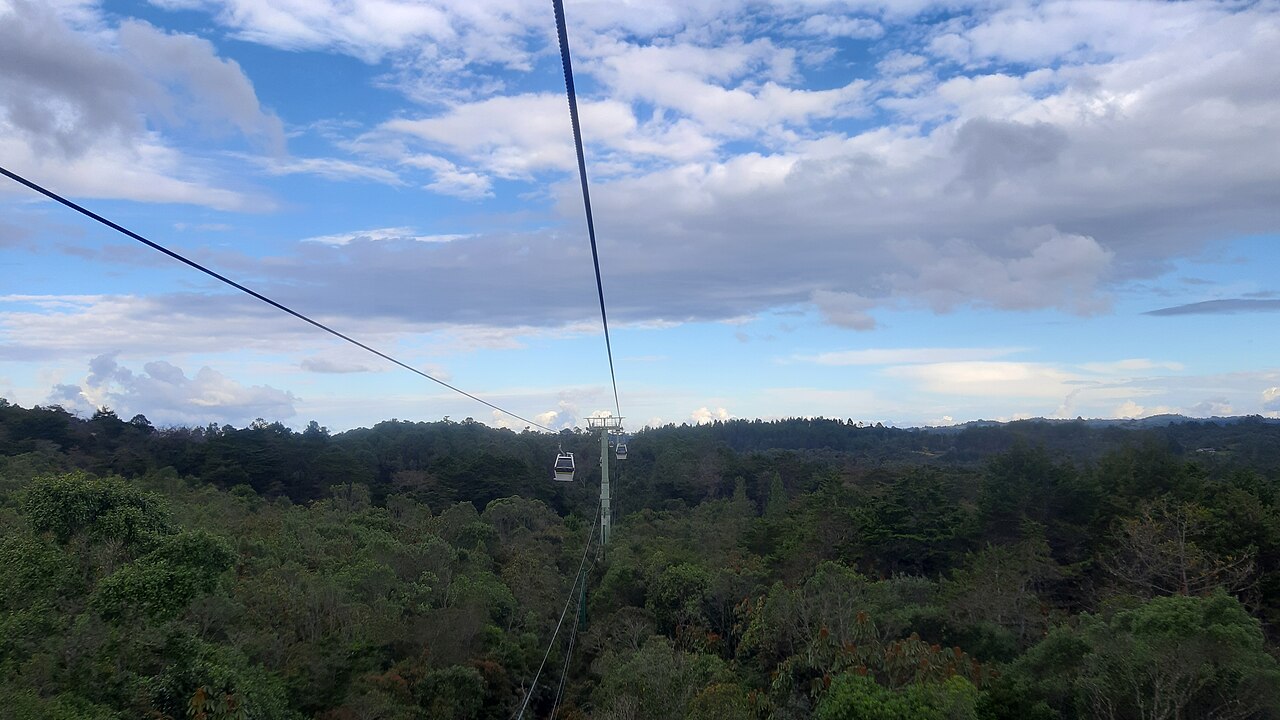
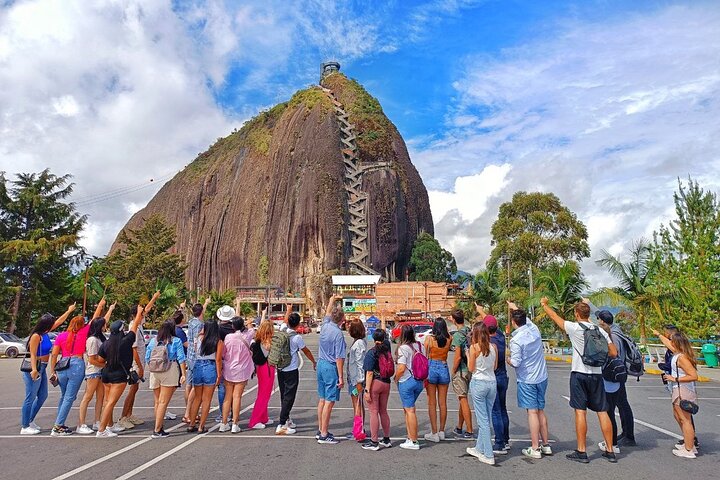
The drier stretches fall around the turn of the year, from December into February, and again in the middle of the year, roughly June to August. These are the best months for hiking at Parque Arví, the Guatapé climb, coffee farm visits and the Comuna 13 tour, because views are clearer and the stairs and paths are less slippery. They are also the busiest months for domestic and international tourism, so book hotels and popular tours earlier.
Wetter months
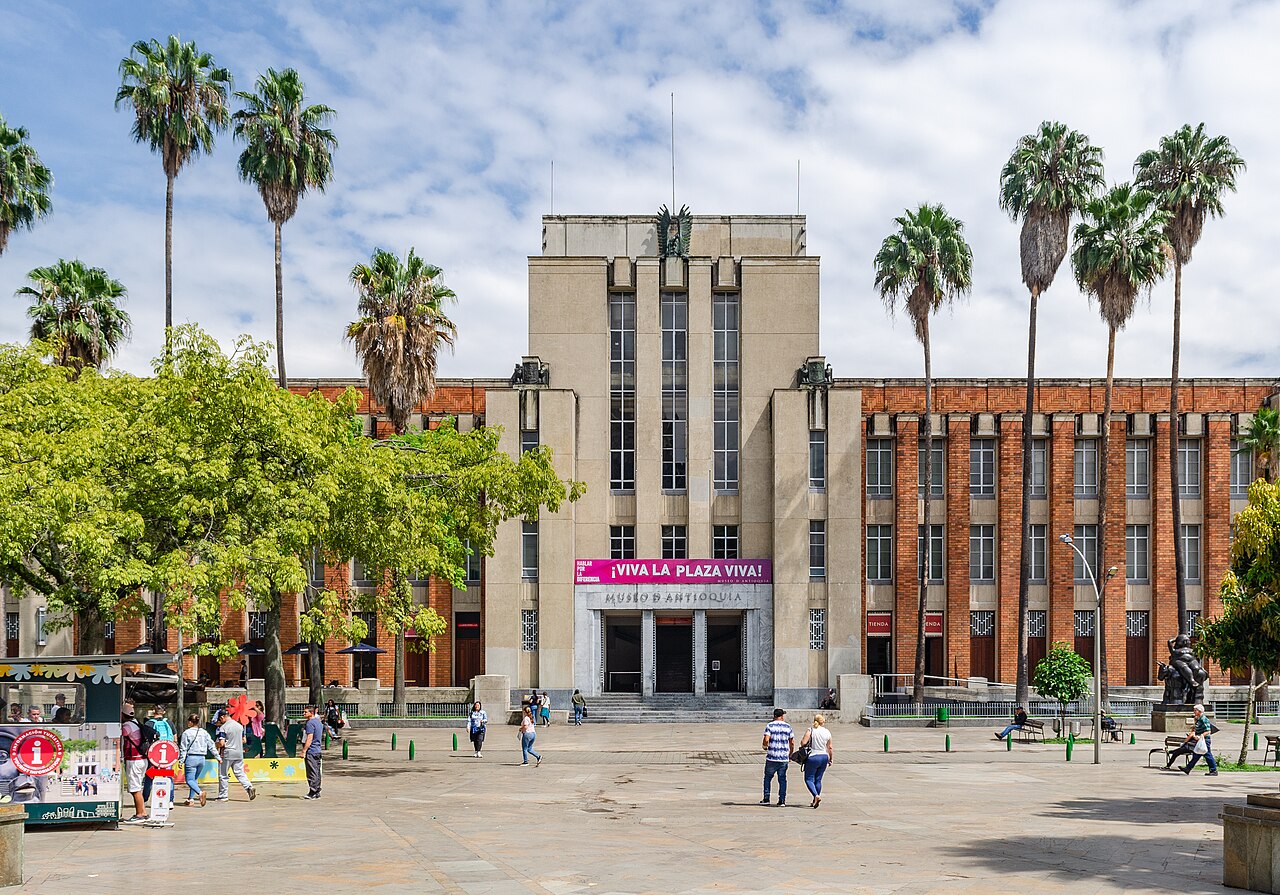
The rainier periods fall around March to May and again in September to November, with the heaviest showers often in April, May and October. Rain does not ruin a visit, because many of the best attractions are indoors or can be rearranged: the Museo de Antioquia, Casa de la Memoria, Museum of Modern Art, Parque Explora and the food experiences all work well on a wet afternoon. The upside is greener scenery, fewer crowds and often better hotel rates. Pack a light rain jacket or compact umbrella whatever the month.
The flower festival in August
The Feria de las Flores is the city's signature celebration, held over about ten days in late July and early August. Its centerpiece is the parade of silleteros, farmers from the mountain town of Santa Elena who carry elaborate flower arrangements on their backs. Concerts, exhibitions, horse parades and street events fill the city. It is a wonderful time to visit, but hotels fill up and prices rise, so reserve early, expect crowds on the parade day and allow extra time for transport. Confirm the dates for your year before you plan around them.
December lights and the holidays
From the weeks before Christmas into early January, the city is decorated with millions of lights along the river, in parks and on avenues. The mood is festive, and the evening lights tour is one of the most popular seasonal experiences. It is also a period of heavy domestic travel, with full hotels, busy roads to Guatapé and Santa Fe de Antioquia and higher prices. Book early, avoid long drives on the busiest days and be flexible with schedules.
Holidays and long weekends
Colombia has many public holidays that create long weekends, and these send local families to popular day-trip destinations. Guatapé, Arví and the lakeside towns are busiest on those weekends and on Sundays in general, so if you can, go on a weekday. Check the calendar when you choose your dates, and note that many museums and some restaurants close on Mondays.
Choosing your dates
For the clearest views and the best conditions for outdoor days, aim for the drier months, and book early. For fewer crowds and lower prices, choose the wetter shoulder months and plan indoor sights for the afternoons. For festivals, choose August or the December holiday season and reserve everything well ahead. If you want to combine Medellín with the coast or the coffee region, remember that each has its own weather, so check them separately.
Whenever you go, Medellín rewards flexible planning: keep mornings for outdoor sights, leave afternoons for museums and cafes, and carry a light layer for the evenings. For help choosing where to sleep, our where-to-stay guide compares the neighborhoods and hotels.