The Mekong Delta is warm all year, so the best time to visit depends on what you want to do. The big split is between the dry season and the wet season, and the rhythm of the river, with its seasonal flooding, shapes everything from boat routes to fruit. This guide explains each season and offers tips for planning.
The dry season
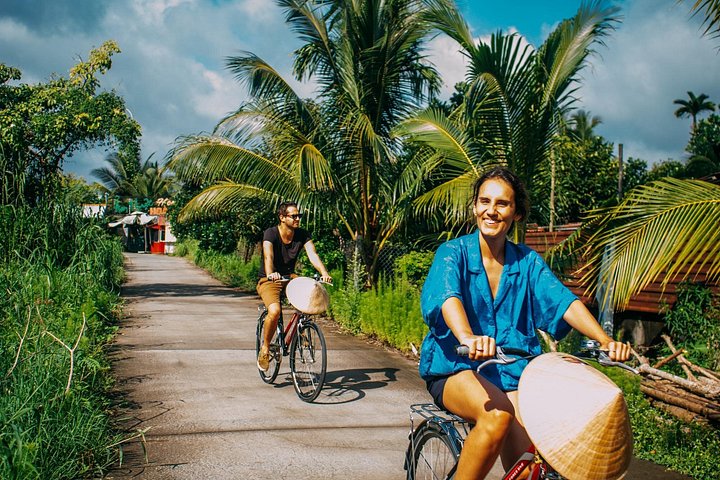
From roughly December to April, rain is rare, skies are clearer and humidity is lower. This is the most comfortable period for cycling, motorbike tours and walking, and for visiting orchards. Roads are in good condition, and the countryside can be dusty. Temperatures rise toward the end of the season, particularly in March and April, when the heat can be intense in the middle of the day.
The wet season
From roughly May to November, afternoons often bring heavy showers, and the air is humid. Mornings are often clear, so early boat trips still work well, and the countryside turns lush green. Rain can interrupt outdoor plans, so carry a light rain layer and keep the afternoons flexible. Prices for accommodation can be lower, and crowds are thinner in some periods.
Flood season and the forests
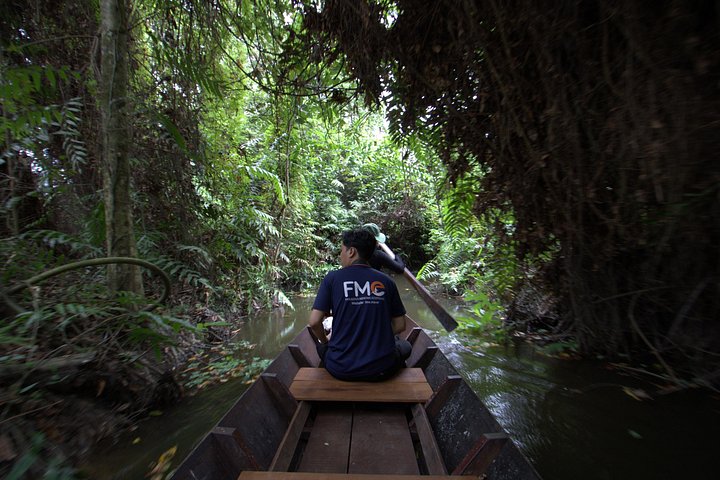
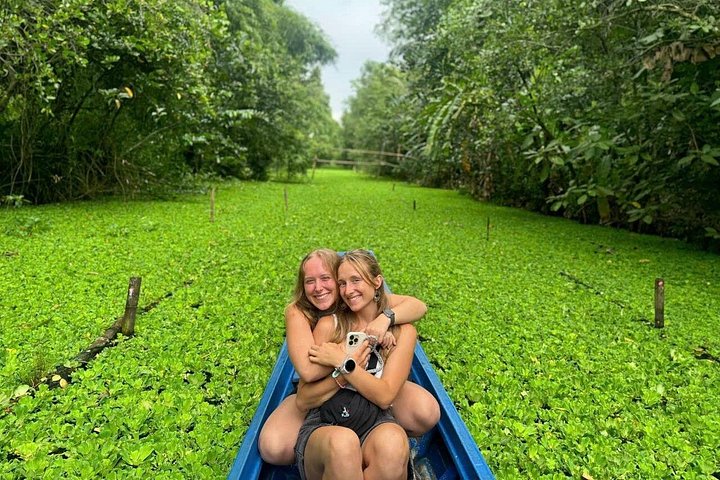
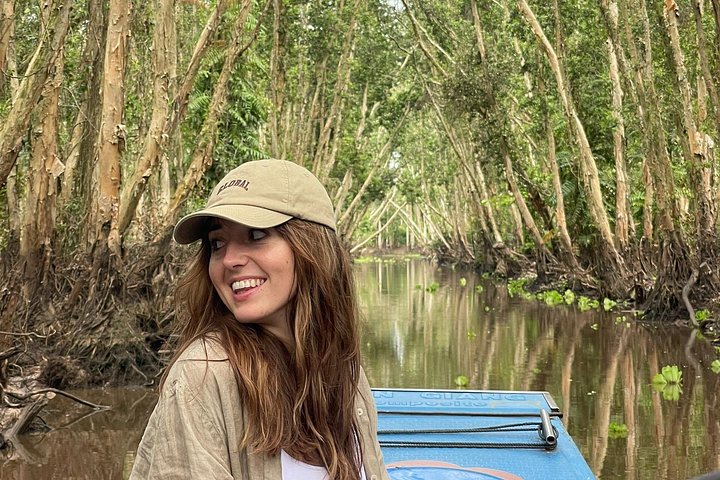
Water levels in the delta rise in the later part of the wet season and fall afterward. For cajuput forests such as Tra Su, higher water makes boat routes easier and the duckweed carpet more vivid. For wetland reserves such as Lung Ngoc Hoang, higher water can improve boat access, while lower water suits walking. Always ask your operator how conditions affect the route you plan to take.
Floating markets across the year
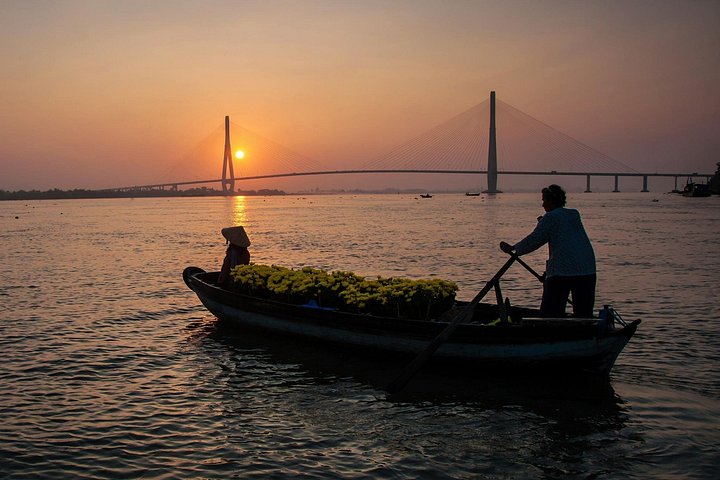
Cai Rang and Phong Dien operate all year, and mornings are best regardless of season. Trading is busiest early, and the fruit mix changes with the harvest. During the wet season, rain may make boats less pleasant, so cover your bag and camera. During festival periods, some traders take a break, so ask when you book. The dry season offers the most reliable weather for photography.
Fruit seasons
Many visitors want to taste specific fruits. Some, such as bananas and pomelo, are available most of the year, while others like durian, mangosteen and rambutan have peaks that vary by region and year. Ask your guide or hotel what is ripe, rather than planning a trip around one fruit. Orchard visits are enjoyable at any time because there is always something to taste.
Festivals and holidays
The Lunar New Year, usually in late January or February, is the biggest holiday. Many businesses close for several days, transport is crowded and prices rise, but flower villages such as Sa Dec are at their most colourful. If you travel then, book hotels, drivers and tours far ahead, and expect some restaurants to be closed. Khmer festivals follow the lunar calendar and bring music and processions to temples in several provinces.
Heat management
Whatever the season, plan outdoor activity for early morning and late afternoon. Rest in the middle of the day, drink water often and wear light clothing and a hat. Sun cream is essential, and insect repellent is wise at dawn and dusk. If you are sensitive to heat, consider the cooler period at the start of the dry season.
Air quality and comfort
Outside the heat of midday, the delta is a pleasant place to be in any month. Mornings are cool and bright, and evenings bring breezes from the river. Humidity is highest in the wet season, so choose breathable fabrics and allow extra time for clothes to dry. Hotels with air conditioning are a relief in the afternoon, and a rest or a swim at midday is part of the local rhythm, so build it into your own plan instead of fighting the heat.
Choosing your window
For cycling and general comfort, choose the early dry season. For lush scenery and quiet, consider the wet season and use mornings for activities. For flower villages, aim for the weeks before the Lunar New Year. For flooded forests, check with operators about the water level. Whatever you choose, build in flexibility, because weather in the delta can change quickly and local advice is often the best forecast. Ask your hotel each morning how the weather looks, because a local view of the sky is often more reliable than any app.