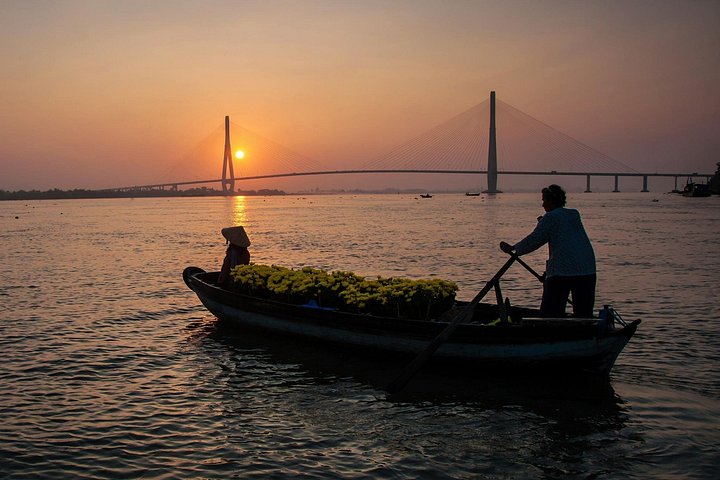
Can Tho is the largest city in the Mekong Delta and the natural base for exploring it. It sits on the Hau River, a broad branch of the Mekong, in a landscape of canals, orchards and rice fields that feeds a great deal of Vietnam. This guide explains how the region works, what to do first and how to plan a stay that goes beyond a rushed day trip.
Why Can Tho rather than a day trip
Many travellers see the delta on a long day from Ho Chi Minh City, which is a fine introduction, and that style of trip belongs to the Ho Chi Minh City guides. Staying in Can Tho changes the experience. You can reach the floating markets at sunrise, when trading is real and the light is soft, and you can eat in the evening at stalls that tour buses never reach. A night or two here turns a postcard into a place.
The big sights
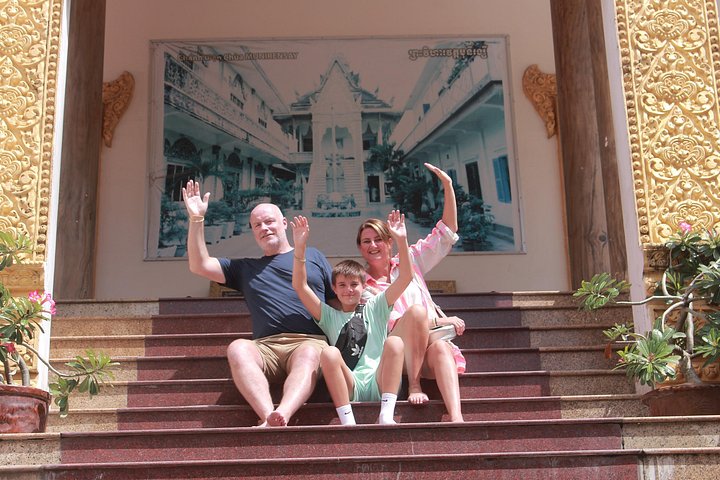
The headline experience is Cai Rang Floating Market, a wholesale trade scene on the Hau River best seen at dawn. Phong Dien is smaller and quieter. Around the city, you can visit an old family house in Binh Thuy, Khmer pagodas, fruit gardens and the Ninh Kieu waterfront. Beyond the city, nature reserves such as Lung Ngoc Hoang and Tra Su show the wetland side of the delta, and towns such as Sa Dec and Vinh Long add flowers and Khmer culture.
How tours work
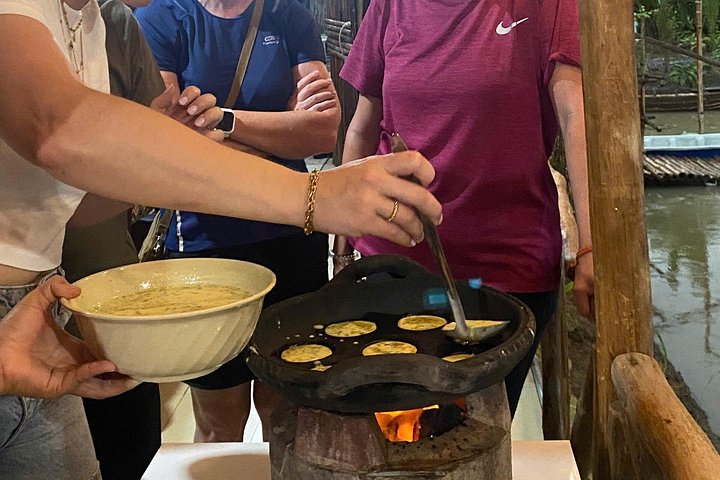
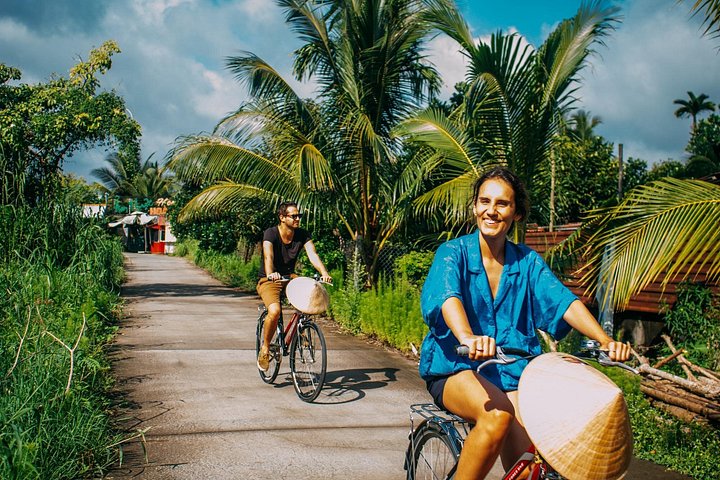
Most experiences are guided boat, bike or motorbike trips that leave early. Pick-ups from hotels are common, and prices are modest by international standards. Read each description for what is included, such as breakfast, entry fees and bicycles, and ask the operator if you are unsure. Small groups and private tours are available for most activities, and a private guide is useful for the longer trips into Dong Thap and An Giang provinces.
Getting there and around
Can Tho has an airport with domestic flights, and buses and private cars connect the city with Ho Chi Minh City in a few hours. Inside the city, taxis and ride-hailing cars are cheap and easy, and walking is pleasant along the waterfront. For longer days, a car with a driver or a guided tour avoids the stress of navigating narrow roads and ferries.
What to wear and carry
The delta is hot and humid for much of the year. Pack light, breathable clothing, a hat, sunglasses, sun cream and insect repellent. A light rain layer is wise, because showers can arrive quickly in the wet season. Closed shoes help on bicycle rides and uneven paths, and modest clothing that covers shoulders and knees is required in pagodas. Carry small notes in dong for fruit, drinks and tips, and keep a copy of your hotel’s address in Vietnamese.
Money and manners
Cards work in larger hotels and restaurants, but cash is king in markets, villages and boats. Bargain politely where prices are not fixed, and smile when you refuse. Ask before photographing people, especially monks and market sellers, and remove your shoes when entering homes and temple halls. People in the delta are friendly and curious, and a few words of Vietnamese go a long way.
Health and safety
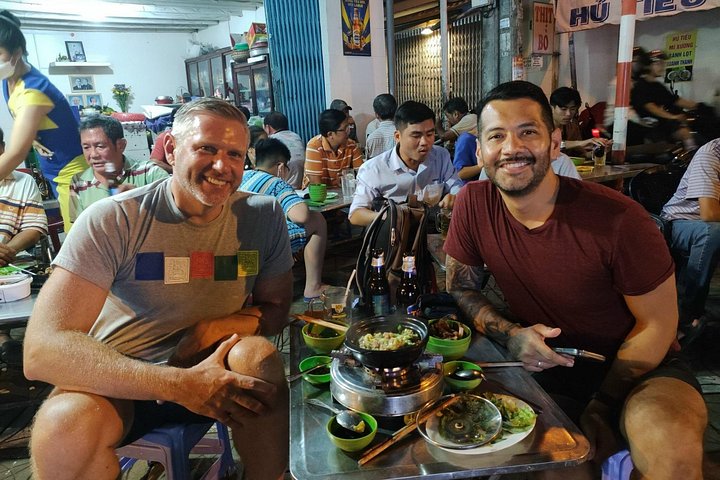
Drink bottled or boiled water, wash your hands before eating, and choose busy stalls where food is cooked fresh. Wear sun protection and drink often. On boats, use life jackets when offered, particularly with children. Traffic is the main risk for visitors: cross roads slowly and steadily, and let scooters flow around you. If you ride a motorbike as a passenger, use a helmet and follow the guide’s instructions.
Planning your time
Two nights is the minimum for a satisfying visit, three is comfortable and four lets you add a trip to Chau Doc or a homestay. Start with a floating market on your first morning, take the second day for countryside and food, and keep the third for nature or culture. If you have only one day, a sunrise market followed by a fruit garden and a food tour in the evening covers the essentials.
Common mistakes
The most frequent mistake is leaving too late, which means missing the market at its best. The second is overpacking the schedule, which leaves no room for the slow moments that make the delta special. The third is choosing the cheapest tour without checking what is included. Keep plans flexible, ask questions and allow time to wander the waterfront.